![What is Marketing Strategy – A Comprehensive Guide [2026]](https://rextheme.com/wp-content/uploads/2025/08/what-is-Marketing-Strategy-1.webp)
Have you ever noticed how easy it is to chase the next marketing trend?
One day it’s a TikTok idea, the next it’s a new email tactic, and somehow, nothing really sticks.
That’s what I see with a lot of WooCommerce stores. People try a bunch of things at once, get tired, and then wonder why sales aren’t moving.
Here’s the thing: having a strategy actually matters.
About 30% of marketers say it boosts ROI, and 27% say it helps reach the right audience faster.
Those numbers back up something most store owners feel but don’t always see: having a plan changes how effective your actions are.
In this guide, I’ll go through marketing strategies that work for WooCommerce stores. You’ll see what fits different businesses, what tends to get results, and how to stop guessing every time a new trend pops up.
Let’s get into it.
TL;DR – Marketing Strategy [2026]
- What It Is – A plan that aligns your campaigns, product presentation, and messaging with a clear business goal. Focus on showing the right offers at the right time.
- Why It Matters – Helps you:
- Target the right customers
- Control budgets and focus on profitable campaigns
- Keep product messaging consistent
- Align campaigns with sales and growth
- Track real metrics like conversions and revenue
- Optimize upsells, checkout, and abandoned cart recovery
- Types of Strategies – Product-focused, channel-specific, and campaign-based approaches to solve eCommerce issues like low AOV or cart abandonment.
- Step-by-Step Creation – Key steps:
- Define goals
- Conduct market research
- Analyze competitors
- Choose channels
- Craft messages that solve real problems
- Set budget for high-impact campaigns
- Plan promotions, seasonal campaigns, and checkout flows
- Track and optimize continuously
- Campaign Strategies – Focus on upsells, abandoned cart flows, checkout optimization, and personalized product showcases.
- Tools to Implement – Checkoutify, Dynamic Discount, Cart Lift, Catalog Mode, Advanced Shipping, Product Feed Manager, Marketplace Auto Sync, WPVR, plus WPFunnels and Mail Mint. For an all-in-one solution, the WooCommerce Sell Kit bundle saves time and money.
- Bottom Line – Identify store gaps, apply actionable strategies, and optimize product showcasing and campaigns to drive measurable growth in 2026.
What are Marketing Strategies & How Do They Work?
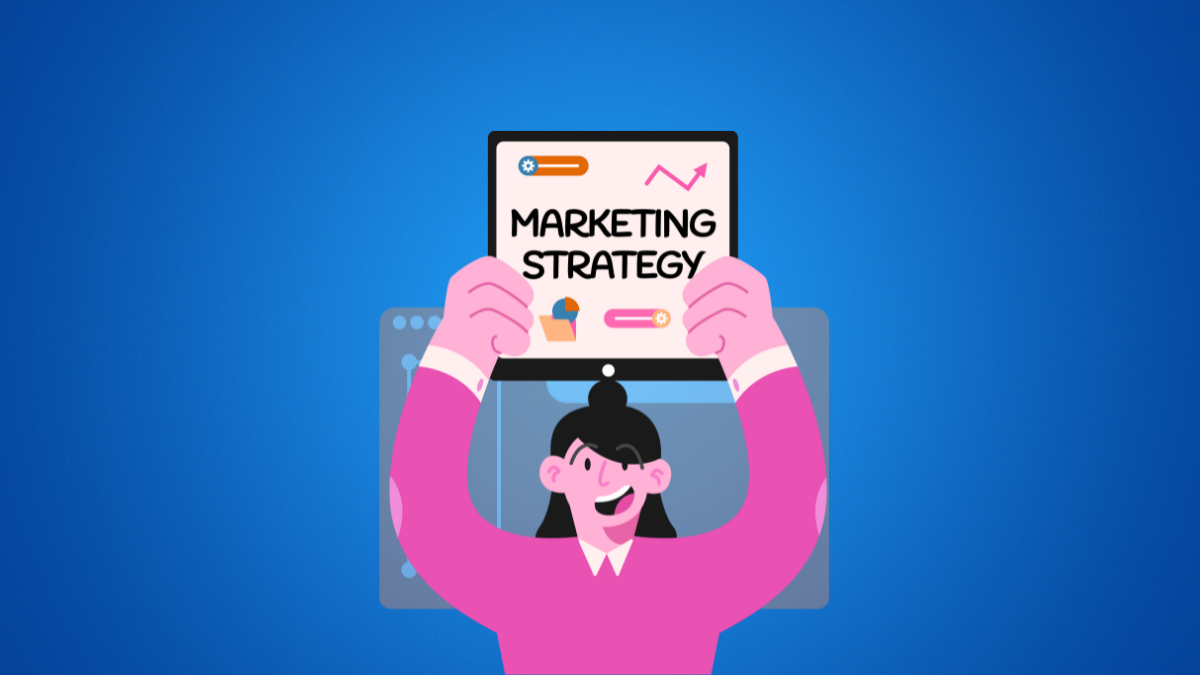
A marketing strategy is a plan that helps you get the right people to notice your store, consider your products, and make a purchase. It’s not about random posts, emails, or discounts, it’s about connecting the right offer with the right audience at the right time.
Think about it this way: You run a WooCommerce store that sells coffee equipment. Instead of just putting every product on sale, your strategy could include showing customers a beginner coffee kit if they’ve been browsing single items, sending an email with a “frequently bought together” combo, and highlighting a limited-time bundle for loyal buyers.
So, every message and product suggestion points to the same goal—increasing sales and average order value.
When you follow a strategy, your campaigns, website, and product presentations work together. Your emails reinforce what your website shows, your social posts highlight the same bundles or offers, and your checkout experience suggests the right add-ons. This keeps your marketing consistent and increases the chances people take action.
A strong strategy also makes tracking easier. You can see which emails convert, which bundles sell best, and where people drop off. Instead of guessing, you can use real results to improve what you do next.

Why is a Marketing Strategy Important?
Before you get into the types and steps, let’s take a moment to understand why a marketing strategy matters in the first place. Because without it, even the best tools and tactics won’t bring real results.
- Audience Targeting: When you have a strategy, you know exactly who you’re talking to. You don’t waste time promoting products to people who won’t buy. Instead, you’re showing the right stuff to the right shoppers, which means your campaigns actually convert.
- Budget Control: Ads, discounts, bundles; they all cost money. A strategy helps you decide where to spend so you’re not throwing cash at random promotions. You put your money where it actually makes a difference.
- Brand Clarity: A clear strategy keeps your messaging consistent. Your product pages, emails, and social posts all tell the same story. Customers notice that, and it builds trust. When people know what to expect from you, they’re more likely to buy again.
- Goal Alignment: Every marketing action should move you closer to a goal, whether it’s increasing checkout conversions, pushing a seasonal bundle, or getting more repeat buyers. A strategy keeps all your campaigns working together instead of pulling in different directions.
- Better ROI: With a strategy, you can see what’s actually working. Which promotion drove sales? Which email got clicks? You focus on the campaigns that deliver results instead of guessing and hoping for the best.
- Smarter Decisions: Data isn’t just numbers, it tells you what your customers respond to. With a strategy, you can adjust offers, recommend products, or tweak checkout flows based on what really works, not what feels right.
- Customer Trust & Loyalty: When your messaging, checkout process, and product info are clear and reliable, customers feel confident buying. That confidence keeps them coming back, and a solid strategy makes that repeat business predictable.
A strategy ties all these pieces together. Instead of random campaigns, everything you do supports your store’s growth and keeps you focused on what actually matters.
Types of Marketing Strategies
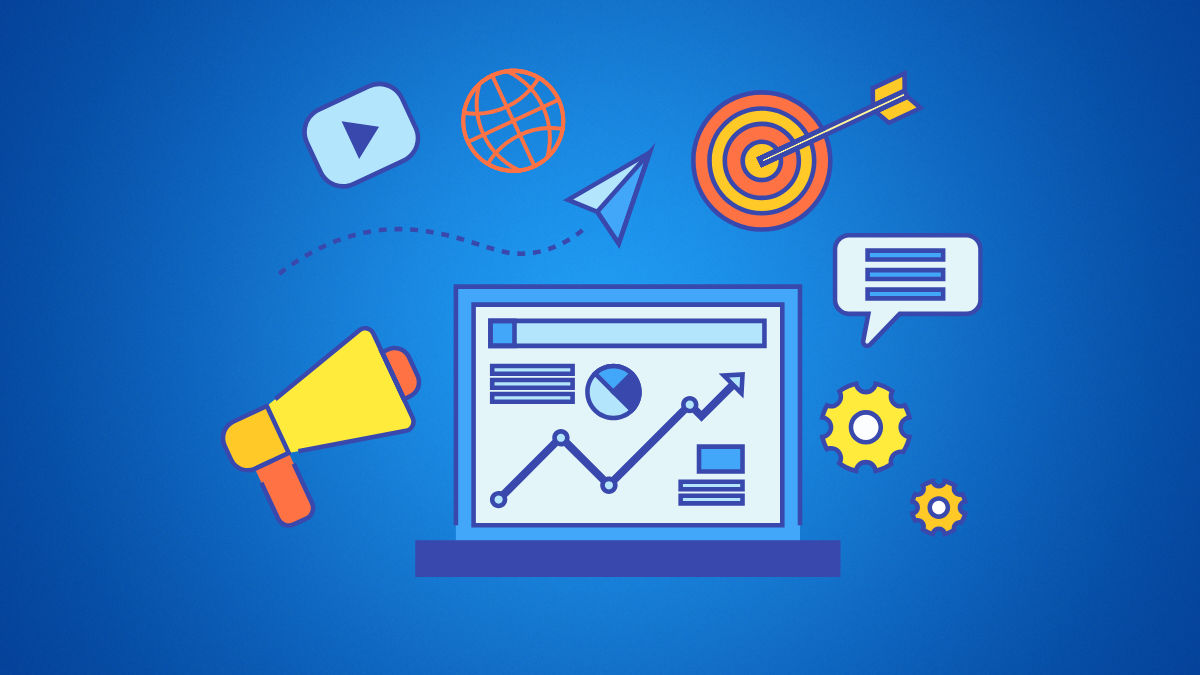
What Are The Types of Marketing Strategies
Now that you understand why having a strategy matters, the next step is figuring out what kind of strategies actually move the needle for your store. Different strategies solve different problems, and the key is to pick the ones that match the areas you want to improve, like product visibility, checkout conversions, or repeat sales.
- Product Listing & Showcase Strategy: How your products are displayed makes a huge difference. Highlight your best-sellers, organize products logically, and make key info easy to see. This isn’t just about looking nice; it’s about helping shoppers find what they want fast so they’re more likely to buy.
- Checkout Optimization Strategy: Even if people love your products, a complicated checkout can kill sales. Streamlined checkouts, order bumps, and smart upsells make it easier for customers to complete their purchase and add a little extra to the cart along the way.
- Abandoned Cart Recovery Strategy: Shoppers leave carts all the time. Sending timely reminders, personalized discounts, or follow-ups can bring them back. The strategy is to catch lost sales without spamming your customers.
- Discount & Offer Strategy: Running promotions at the right time can boost sales, but it needs planning. Targeted deals, bundle discounts, and seasonal offers should align with your sales goals instead of being random.
- Customer Retention Strategy: Repeat buyers are the backbone of your store. Use campaigns that encourage loyalty, like early access to new products, membership perks, or personalized product recommendations.
- Email & Communication Strategy: Staying in touch with shoppers doesn’t mean sending every update. Segment your lists, time your emails well, and focus on helpful, relevant messages that guide people toward purchase decisions.
Each of these strategies links directly to the problems you’re solving in your store. When you plan around them, you’re not just running marketing, you’re improving the parts of your business that impact revenue the most.
Marketing Strategies vs Marketing Plan
Here is a comparison table of marketing strategies vs marketing plans. It helps you see how a marketing strategy sets the direction, while a marketing plan lays out the practical steps to get there.
| Aspect | Marketing Strategy | Marketing Plan |
|---|---|---|
| What it is | The big picture — your overall approach to reach customers and grow your business. | The step-by-step details of what you will do to execute your strategy. |
| Focus | Defines your goals, target audience, and how you’ll stand out. | Lists specific marketing activities, timelines, and budgets. |
| Purpose | Guides decision-making and keeps your marketing consistent. | Helps organize and track daily tasks and campaigns. |
| Timeframe | Long-term and flexible — it can evolve as your business grows. | Shorter-term, often covering weeks or months. |
| Example | Deciding to focus on social media and content to build brand awareness. | Planning weekly Instagram posts, email campaigns, and ads. |
| Who creates it | You or your leadership team to set the direction. | Usually the marketing team or person responsible for daily marketing. |
| Why it matters | Without a strategy, marketing efforts can feel random and scattered. | Without a plan, even a good strategy won’t get done properly. |
How to Create a Marketing Strategy – Step-by-Step Process
So, you’ve seen the types of strategies that can work for your store, but knowing them isn’t enough.
Let’s say you run a small fashion store and notice people often leave scarves in their cart without buying. You can’t just hope they come back. A strategy lays out the steps to actually fix this and get results.
Here’s how to do it.
Step 1: Define Your Goal
Pick a single goal that makes the most impact. For example, you might want to increase repeat purchases of your scarves. With this goal, everything else, emails, upsells, and seasonal offers can align to make it happen. You’ll know exactly what success looks like and can focus on actions that drive it.
Step 2: Conduct Market Research
Now, understand why scarves get left behind. Check which colors sell fast, what your customers are searching for, and what price points they respond to. Look at reviews or survey buyers to find what they want. This insight lets you show the right products at the right time, instead of guessing.
Step 3: Analyze Competitors
See how other fashion stores handle scarves. Do they run bundle deals, suggest complementary items, or offer free shipping on certain products? Take notes on what works and where you can do better. For example, maybe they offer free shipping only on bundles, so you can create a smarter promotion that matches your margins.
Step 4: Choose Marketing Channels
Decide where your scarves get noticed most. Instagram Reels might show your scarves in outfits, emails can remind past buyers about new colors, and TikTok can showcase styling tips. Focus on the channels that drive action instead of being everywhere and spreading yourself thin.
Step 5: Craft Your Message
Your message needs to solve a problem your customer has. Highlight why a scarf keeps them warm, matches multiple outfits, or is perfect as a gift. Avoid generic lines like “Buy our scarves!” Speak to the benefit and tie it to their real needs.
Step 6: Set Your Budget
Figure out which campaigns deserve the most attention. Maybe email reminders to people who abandoned carts bring more sales than a paid ad for a single scarf. Put your money where it will get results, like targeted discounts, bundles, or promotions for high-demand products.
Step 7: Plan Your Actions
Turn strategy into action. Schedule seasonal campaigns, highlight new colors, push bundles during holidays, and set up checkout suggestions for complementary items. When everything is planned, it’s easier to keep the marketing consistent and effective.
Step 8: Track and Adjust
Watch what works. Are people actually buying scarves after receiving your emails? Do upsells at checkout increase the total sale? Test different product recommendations, tweak offers, and refine messaging based on the data.
Campaign Marketing Strategies to Generate Massive Sales
What Are The Campaign Marketing Strategies That Generate Massive Sales
Once you have your marketing strategy set, the next step is turning it into campaigns that actually drive sales. This isn’t about throwing discounts randomly, it’s about creating campaigns that solve real problems for your store, guide shoppers smoothly, and encourage them to take action.
Here are some campaign strategies that work particularly well when you focus on improving product presentation, checkout flows, and upsells:
- Targeted Product Showcases: Highlight products based on what your customers are browsing or buying. For example, if someone is looking at jackets, show them matching scarves or gloves during the checkout. This helps increase order value without being pushy.
- Abandoned Cart Recovery: Send reminders to shoppers who leave items behind. Include personalized messages that show the product they were interested in and any limited-time offers that encourage them to complete the purchase.
- Seasonal Promotions with Context: Instead of generic sales, tie promotions to seasons or occasions. For instance, bundle winter accessories for a “Stay Warm” promotion. This feels helpful and relevant to the customer.
- Upsell & Cross-Sell Campaigns: Suggest products that complement what’s already in the cart. Make the recommendations practical, like offering a laptop sleeve when someone buys a laptop, so it’s easy for them to see the value.
- Checkout Incentives: Encourage last-minute additions by showing small add-ons during checkout, like gift-wrapping or fast shipping options. These improve the shopping experience while increasing revenue.
- Limited-Time Offer Campaigns: Create urgency with time-bound deals on popular products. Be clear and specific about the timeframe and which products are included.
- Customer Segmentation Campaigns: Divide your audience by purchase history or preferences, then send tailored campaigns. New buyers, repeat customers, and high-spending customers each get messages that feel personal and relevant.
Each of these strategies directly addresses common eCommerce challenges like abandoned carts, low AOV, or unclear product presentation and guides shoppers in a way that feels natural. When applied consistently, these campaigns move your store closer to predictable, repeatable sales growth.
Learn more full guide – Powerful Marketing Campaigns to Generate Massive Sales
Examples of Marketing Strategies in Different Industries & Platforms
Let’s now look at some real examples of marketing strategies in different industries so you can better understand how to apply these ideas to your own business.
1. Industry-Specific Marketing Strategies
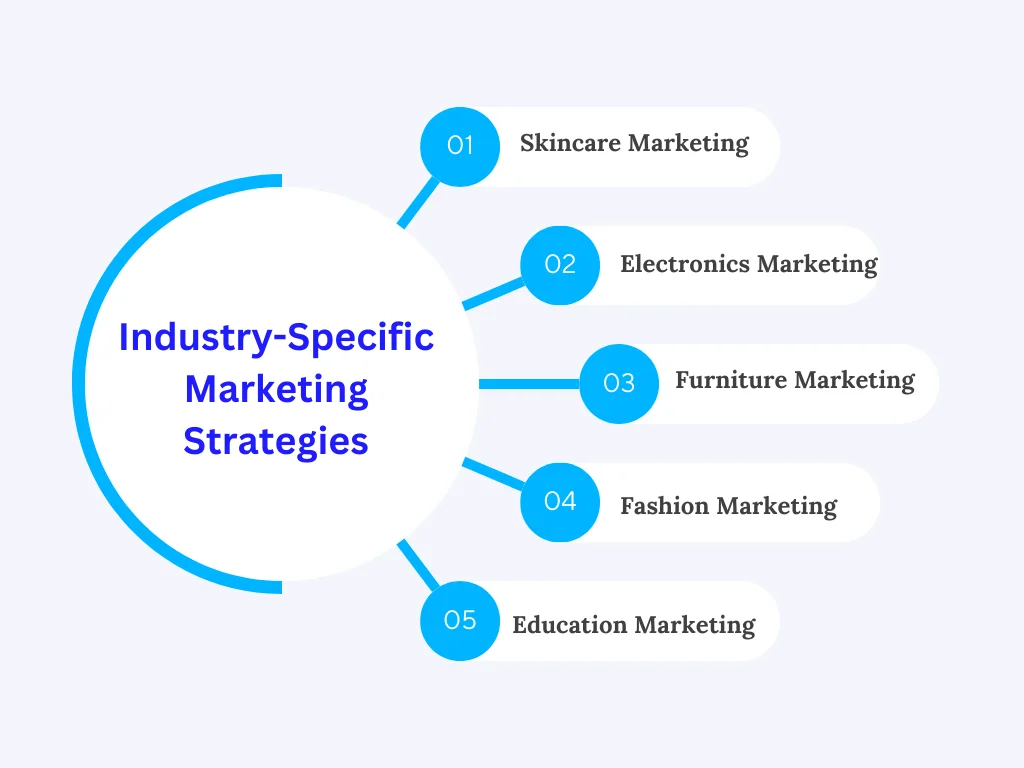
Now, I’m going to share industry-specific marketing strategies, so you can easily understand how each industry tailors its approach and how you can apply similar tactics to your own business.
i. Skincare Marketing:
If you sell skincare, focus on what your customers really want – healthy, glowing skin with simple solutions. Your marketing should feel helpful and easy to understand.
For example, share a short video showing how you use your product in a daily routine. This is a great marketing strategy example because it shows real results and builds trust.
Keep your content clear and friendly like before-and-after photos, tips for skin types, and real customer reviews. These simple touches make a big difference in getting people to buy.
ii. Electronics Marketing:
Selling electronics means helping customers understand how your product fits into their daily lives. Clear benefits, easy comparisons, and real use cases go a long way.
For example, show how your wireless earbuds make workouts easier with a quick demo video or a customer story. It highlights real-life value.
Use simple visuals, helpful reviews, and short guides to explain features. The easier you make it for someone to choose your product, the more likely they are to buy.
- Learn more – Best Online Electronics Marketing Strategies to Boost Sales
- Learn more – An Effective Guide to Selling Electronics Online for Google Shopping
iii. Furniture Marketing:
Furniture marketing is about showing how your products improve everyday living. Highlight comfort, design, and how easy it is to fit your furniture into different spaces.
For example, create a video tour showcasing a living room makeover using your furniture pieces. This helps customers see the transformation and imagine it in their own homes.
Focus on sharing practical tips like care instructions or styling ideas. Offering helpful content builds trust and encourages people to choose your brand.
iv. Fashion Marketing:
Effective marketing means really understanding what your customers want and giving it to them. When you focus on helping them, they’ll trust you and want to buy from you.
For example, if someone looks at a product on your site, sending them a friendly email about it shows you care. This small step makes your marketing feel personal and boosts your chances of making a sale.
Also, pick the channels where your customers spend time, like social media or email. When your message is clear and shows you understand them, your business will grow stronger.
v. Education Marketing:
Education marketing is all about showing how your courses or programs help people reach their goals. Focus on clear benefits like skill-building, career growth, or flexible learning.
For example, sharing success stories from your students or short video lessons gives a taste of what you offer. This is a strong, effective marketing strategy because real proof builds trust.
Use email follow-ups and social media to keep your audience engaged and remind them about upcoming classes. Staying helpful and consistent will help more people sign up and stay committed.
2. Platform Specific Marketing Strategies

You’ve already seen how different industries use marketing, and now I’m going to show you some platform-specific marketing strategies that work well across businesses.
i. Tiktok marketing:
TikTok is all about short, fun videos that grab attention quickly. If you want to reach more people, especially younger audiences, this platform is great for you.
For example, you can create quick videos that show how your product works or share valuable tips related to your business. When you join trends and keep it real, your content becomes easy to share and notice.
To succeed, be authentic and engage with your viewers by replying to comments and taking part in challenges. Building this connection helps you grow a loyal audience over time.
ii. Instagram marketing:
Instagram lets you show your brand’s story with photos and short videos that catch the eye. It’s a great place for you to connect with customers through visuals they love.
For example, you can share behind-the-scenes moments or customer testimonials that feel personal and real. This helps build trust and makes people want to follow and buy from you.
To get the most out of Instagram, use Stories and Reels to stay visible daily. Engage with your audience by responding to comments and DMs; that personal touch makes a big difference.
- Learn more – Instagram Marketing Strategy: 10+ Handy Tips to Follow
- Learn more – How To Create Instagram Product Feed For WooCommerce – A Complete Guide
3. Strategic Techniques of Marketing
Now that you’ve seen platform-specific strategies, let’s dive into some strategic techniques of marketing that can work across any platform or industry to boost your results even faster.
i. AOV Marketing
AOV (Average Order Value) marketing helps you increase how much each customer spends in one purchase. It’s about offering the right extras that feel helpful, not pushy.
For example, when someone adds a phone to their cart, showing “frequently bought together” items like a charger or case can gently raise the total value. It’s simple and effective.
Keep the suggestions relevant and easy to accept. This small step boosts your sales while making the shopping experience better for your customers.
ii. VR Marketing Strategy
VR marketing gives your customers a way to step into your world. It’s not just about showing your product, it’s about letting them experience it in a way that feels real and memorable.
For example, if you run a travel agency, you could let people explore a virtual tour of a beach resort before booking. They can look around, check out the rooms, and feel the vibe, all from their phone or headset.
This kind of experience builds trust fast. It makes your offer more exciting and helps people feel confident in their decision, which means more conversions for you.
- Learn more – Creative VR Marketing Ideas to Implement Right away
iii. Walmart Marketing Strategy
Walmart keeps things simple, with low prices, useful deals, and products people need. It makes you feel like you’re saving without hunting for a sale. You can do the same in your business.
For example, offer small bundle deals or highlight regular low prices so your customers feel they’re always getting a good deal from you.
Also, stay visible. Send friendly emails, show up in local searches, and keep your message clear. If people see value and trust you like they do with Walmart, they’ll keep coming back.
How to Track Effective Marketing Strategies

To make sure your efforts are truly paying off, here’s how to track effective marketing strategies:
- Set clear goals: Start by knowing what success looks like for your business, whether that’s more sales, leads, or traffic. Clear, measurable goals keep you focused and make it easy to see your progress.
- Use analytics tools: Use tools like Google Analytics or WooCommerce reports to understand how visitors interact with your site. Regularly checking this data helps you spot what’s working and where to improve.
- Monitor conversion rates: Keep track of how many visitors take the action you want, like buying or signing up. This tells you if your marketing is effective and shows where you need to tweak things.
- Keep an eye on CAC: Know how much it costs to bring in each new customer. If your customer acquisition cost starts climbing, it’s a good signal to adjust your marketing budget or strategy.
- Track ROI by channel: Look at the return from each marketing channel, email, social media, ads and focus your budget on what’s delivering the best results. Don’t be afraid to pause what’s not working.
- Run A/B tests: Try different headlines, images, or calls to action to see what your audience responds to best. Testing takes the guesswork out and helps you improve your campaigns over time.
- Collect customer feedback: Ask your customers for their thoughts through surveys or reviews. Their insights help you understand what’s working and how to make your marketing better.
- Check engagement metrics: Watch clicks, opens, likes, shares, and comments to see how your audience connects with your content. More engagement usually means better chances of turning interest into action.
Tools to Implement Marketing Strategies

What Are the Tools to Implement Marketing Strategies
Once you know what to track and how to improve your campaigns, the next step is execution. This is where the right tools matter. Your strategy only works when you can actually apply it across product pages, carts, checkouts, shipping, and follow-ups without doing everything manually.
Here are the tools that help you turn strategy into action across your store:
- Checkoutify: Helps you control how your checkout looks and works. You can simplify steps, highlight trust signals, and guide shoppers toward completing the purchase instead of dropping off at the last moment.
- Dynamic Discount: Lets you run targeted discounts based on real behavior. Instead of store-wide sales, you can offer smart deals that encourage higher order value or push hesitant buyers to convert.
- Cart Lift: Focuses on abandoned carts. When someone leaves without buying, this tool helps bring them back with reminders that show exactly what they left behind and why it’s worth completing the order.
- Catalog Mode: Useful when you want to control how products are shown. You can hide prices, disable add-to-cart, or manage inquiries helpful for wholesale, out-of-stock items, or pre-launch phases.
- Advanced Shipping: Helps you set clear shipping rules. You can avoid confusion at checkout by showing accurate shipping costs based on location, cart value, or product type. This reduces surprise drop-offs.
- Product Feed Manager: Keeps your product listings optimized for platforms like Google Shopping or Facebook. This helps you reach buyers who are already searching for products like yours.
- Marketplace AutoSync: Keeps your store in sync with marketplaces. Product updates, prices, and stock stay consistent, so you don’t lose sales due to mismatched listings.
- WPVR: Helps showcase spaces or products using virtual tours. This works well when visuals matter and buyers want a closer look before making a decision.
- WPFunnels: Helps you design clear buying journeys with upsells, order bumps, and post-purchase offers. This is useful when you want to guide customers step by step instead of relying on a single product page.
- Mail Mint: Helps you stay connected after the visit. You can send follow-ups, reminders, and campaign emails based on customer actions, not guesswork.
If you want a complete setup without juggling separate licenses, the WooCommerce Sell Kit bundle brings all the core tools together. It covers product display, pricing, carts, checkout, shipping, and recovery, so you can run your marketing strategy from one place while saving a large amount compared to buying everything separately.
Conclusion
At this point, everything comes back to one thing: marketing works when it fixes real store problems. When your strategies are clear and applied consistently, you stop guessing and start seeing steady results.
Look at your store honestly. Maybe shoppers leave without checking out. Maybe your average order value stays flat. Or maybe people get confused about what to buy next. These aren’t random issues, they’re signals showing where your strategy needs tightening.
When you focus on improving how products are shown, how offers are presented, and how checkout flows guide buyers, sales start to feel more predictable. Small changes in the right places can make a big difference over time.
Apply the strategies you’ve learned here and see how streamlining your store’s journey can drive higher sales in 2026. If you want to do this without juggling multiple tools and licenses, the WooCommerce Sell Kit bundle gives you everything in one setup while saving you a large amount compared to buying tools separately.
** FAQs **
What is the difference between a marketing strategy & marketing plan?
- A marketing strategy defines the long-term approach to reach your audience and achieve goals. A marketing plan details the steps and timeline to execute that strategy. Understanding this helps when exploring different types of marketing strategies for your business.
How often should I review and update my marketing strategy?
- Review your marketing strategy at least every six months or after big changes. Regular updates ensure you stay aligned with market trends and customer needs. This keeps your approach focused on effective marketing strategies that deliver results.
Can small businesses benefit from complex marketing strategies?
- Small businesses benefit most from simple, focused marketing strategies. A clear marketing strategy tailored to your audience drives better results without overcomplicating things. Start small, test, and grow as you learn what works.
How does customer feedback influence marketing strategy?
- Customer feedback offers insights into what your audience wants and values. Using this input helps shape marketing strategy examples that connect and resonate. It makes your marketing more relevant and effective.
What role does content marketing play in an overall marketing strategy?
- Content marketing builds trust by providing valuable information that engages your audience. It supports other channels like social media and ads. Including content in your marketing strategies creates long-term growth and stronger customer relationships.