![Instagram Marketing Strategy: A Detailed Guide With 13 Handy Tips [2026]](https://rextheme.com/wp-content/uploads/2025/01/Instagram-Marketing-Strategy-Feature-image.png)
Let’s be honest about this- if your Instagram reach has quietly slipped over the past year, you’re not imagining it and it’s not your fault.
You’re probably doing everything you used to do. Posting regularly, using nice visuals, maybe even chasing trending audio. But the likes are thinner, the reach is smaller, and you’re starting to wonder if the platform just stopped working for you.
Here’s the truth: it didn’t stop working. It changed the rules.
In 2026, Instagram stopped rewarding likes and started rewarding saves, shares, and search and most brands simply haven’t caught up.
According to Sprout Social’s 2026 Social Media Content Strategy Report, 65% of social users have a profile on Instagram, and 60% interact with brands on the platform multiple times a week. People are still showing up.
The old playbook just can’t reach them anymore.
So in this guide, I’m going to walk you through how Instagram marketing strategy works, how to get discovered through search, how to create content the new algorithm wants to push, and how to turn all that attention into real sales — with 13 tips you can start using today.
Let’s dive in.
The 60-second version
- Likes are dead weight. One signal you’ve been ignoring quietly decides your reach now.
- Instagram is a search engine — and your bio is probably invisible in it.
- One post type gets 2x the saves. Most brands post the wrong one most.
- Your “best time to post” is a myth. The real answer is sitting in your own data.
- Stop guessing with ad budget. Your top performers already told you what to boost.
- Selling on Instagram? One broken setting is hiding your products from buyers.
Each of these is a tip below — with the exact how-to.
Thinking about how to start your Instagram marketing journey? Jump to the 30-day plan and start there.
What is Instagram marketing?
Before we get into tactics, let’s make sure we’re on the same page about what we’re really talking about.
Instagram marketing is the practice of using Instagram’s features — Reels, Stories, search, shopping, and ads — to build an audience, get discovered, and drive real actions like clicks, leads, and sales.
Notice the word “discovered” in there. That’s the part that’s changed.
Instagram is no longer just a place where your followers see your posts, it’s a place where new buyers find you.
In fact, Sprout Social’s 2026 report found that over a quarter of social users now turn to Instagram to research their next purchase. So this isn’t just a branding channel anymore. It’s a place where people decide what to buy.
How is Instagram Used for Marketing?
Now, “marketing on Instagram” isn’t one single thing. It’s really a few different levers you can pull, depending on your goals:
- Organic content: Your regular posts, Stories, and Reels — the content that keeps your audience engaged and feeds the algorithm the signals it rewards.
- Instagram SEO: Optimizing your captions, bio, and alt text so you show up when people search. This is the fastest-growing way to get discovered in 2026, and we’ll dig into it properly later.
- Instagram ads: Paid campaigns that put you in front of specific audiences beyond your followers.
- Influencer marketing: Borrowing the trust of creators whose audience already overlaps with yours.
- Instagram Shop: Selling your products right inside the app, so people can buy without ever leaving.
Here’s the thing to remember: these don’t work in isolation.
- Organic content and SEO get you found
- Ads pour fuel on what’s working
- Influencers add trust
- Shopping turns all that attention into revenue
When they work together, that’s when you really see momentum.
Why Instagram Is a Must-Have Marketing Channel in 2026
You might be thinking, “Okay, but is Instagram still worth all this effort?”
Fair question. So let me give you the honest case for why it belongs at the center of your plan this year.
- It’s where buyers actually start. Over a quarter of social users use Instagram to research their next purchase (Sprout Social, 2026). That means people are finding products on Instagram before they ever hit Google or your website. You want to be there for that first moment.
- The audience is young, active, and ready to engage- 28.92% of users sit in that 18–34 range — exactly the trend-conscious, brand-following crowd most businesses want to reach.
- It’s built for showing, not telling. Photos, Reels, and Stories let you put your product in motion in a way no text post ever could. And you don’t need a design team — tools like Canva or Adobe Express, or an AI flyer generator to create eye-catching visuals for Instagram, including a cleaning service flyer to promote your offers.
- It’s quietly become a search engine. Since public business content can now be indexed, an optimized post can get found in Instagram search and in Google. That’s two discovery channels from one piece of content.
- It closes the loop. With Shopping, someone can go from “ooh, nice” to “bought it” without ever leaving the app.
So here’s where that leaves you: Instagram now covers the entire journey — from someone discovering you, to considering you, to buying from you. If you’re only using it to post the occasional update, you’re using maybe a third of what it can do.
And to use the rest of it well, you first need to understand how the platform decides who sees your content.
So let’s get into that.
How the Instagram algorithm actually ranks content in 2026
This is the section I’d ask you to read twice, because everything else builds on it.
Here’s the single biggest shift you need to internalize: in 2026, likes are one of the weakest signals there is. That little double-tap you’ve been chasing? The algorithm barely cares anymore. What it cares about now is whether your content mattered enough for someone to do something with it.
Let me show you what that means in practice. These are the signals actually driving reach today, roughly from strongest to weakest:
- Sends (shares in DMs). When someone forwards your post to a friend, Instagram reads it as the strongest possible “this is valuable” vote. Nothing beats it.
- Saves. A save means “I want to come back to this.” That’s future intent — and it’s exactly why how-to carousels and tip posts quietly outperform pretty one-off photos.
- Shares to Stories. Public re-sharing spreads your reach and tells the algorithm your content deserves a wider audience.
- Watch time and re-watches. For Reels, it’s not how many people pressed play — it’s how long they stayed, and whether they watched again. Short, loopable Reels (think 7–12 seconds) tend to get finished and replayed, which is gold.
- Comments and real conversation. Genuine back-and-forth still counts. A quick “🔥” doesn’t move much.
So what do you do with all that?
Simple! Stop designing posts to be liked, and start designing them to be saved and sent.
Before you publish anything, ask yourself one honest question: “Would someone bookmark this for later, or forward it to a friend?” If the answer is no, it’s not ready yet. Rework it until it is.
Keep this lens on as we go through the rest of these tips — because almost every one of them comes back to earning these signals.
Instagram SEO: how to get found in search
Now here’s the part many brands are completely sleeping on in 2026 — which, honestly, is great news for you. Because the gap they’re leaving is exactly where your biggest, cheapest reach gains are hiding.
Let me say it plainly: Instagram is a search engine now.
When someone types a query into that search bar, Instagram scans the keywords in captions, bios, name fields, alt text — even the on-screen text and audio inside your Reels — to decide what to show them. Optimize those, and you start surfacing to people who don’t even follow you yet. Skip them, and you’re invisible in search, no matter how good your content is.
So let’s fix that. Here’s exactly how to optimize, step by step:
- Put keywords in your name field and bio. That “name” field (the bold one, not your @handle) is searchable. So a bakery shouldn’t just say “Maya’s” — it should say “Maya’s Bakery | Custom Cakes Austin.” And make sure your bio, pinned posts, and content all point to the same topic, so Instagram clearly understands what you’re about.
- Write captions the way people search. Open your captions with the actual words someone would type — “easy weeknight dinner,” “small bathroom storage ideas.” Just don’t stuff them. Write for a human first, the algorithm second.
- Add alt text to every single post. Alt text started as an accessibility feature, but now it’s a direct “read” of your image for the algorithm. Tap Advanced Settings → Write Alt Text, and describe the image clearly. Instead of “shoes,” try “white leather sneakers styled with a summer linen outfit.” See the difference? One of those is searchable.
- Add on-screen text to your Reels. The algorithm literally reads the words you put on screen. So get your keyword into the first frame.
- Tag your location. If you’re local, this is your bread and butter for “near me” searches. And even if you’re online-only, tagging the major hubs where your audience lives can help you get discovered there.
And here’s the bonus that makes all of this worth doing twice over: since mid-2025, Google indexes public content from business and creator accounts. So an optimized Reel or carousel can show up in Google search, too — sending you traffic from people who weren’t even on Instagram.
Bottom line: treat every caption, bio line, and alt-text field as searchable real estate. Instagram SEO is the closest thing to free reach you’ll find on the platform in 2026 — so claim it before your competitors wake up to it.
Of course, before you can optimize content for the right keywords, you have to know who you’re trying to reach in the first place.
So let’s talk about that next.
Know your audience before you post
Here’s a mistake I see constantly: people jump straight to “what should I post?” before they’ve answered, “who am I posting for?”
And I get the temptation — content feels like progress. But if you don’t know exactly who’s on the other end, you end up making content for everyone, which really means content for no one.
So before anything else, build yourself a quick audience persona. Just answer these four questions honestly:
- Who are they? Their age, location, what they do, and where they sit in your market.
- What do they actually care about? Their interests, and the kinds of accounts they already follow.
- What problem are they trying to solve? The real pain point your product or content speaks to.
- When and where are they scrolling? Which formats they engage with, and what time of day they’re online.
Once you’ve got this clear, watch how much easier everything else becomes. What to post, which keywords to chase, when to publish — it all stops being guesswork. Your content stops sounding generic and starts feeling like you made it for one specific person. And that person feels it.
Alright — now that you know who you’re talking to and how the platform works, let’s get into the actual tactics.
13 handy tips for a winning Instagram marketing strategy
A quick heads-up before we start: don’t try to do all 13 of these at once. Read through them, then build them in over time (I’ve put a 30-day plan near the end to make that easy).
Okay, let’s go.
Tip 1: Define clear, measurable goals
Let’s start at the foundation, because this is where most strategies quietly fall apart.
If your goal is “grow our following,” I’ve got bad news — that goal can’t actually help you make decisions. It’s too vague to act on. What you want is something you can measure. Try this simple template: “Increase [metric] by [number] within [timeframe].”
So if you run an online store, that might be “increase product-page clicks by 20% in three months.” If you’re a service business, maybe “land 10 new consultation DMs a month.” And tie those goals to the signals that now matter — saves and sends — not just follower count.
Key takeaway: Specific, measurable goals turn your Instagram activity from busywork into something you can actually steer and improve.
Tip 2: Optimize Your Profile for 2026
Your Instagram profile is often the first impression your audience gets of your brand, so it needs to be clear, professional, and actionable.
Start by crafting a bio that explains who you are and what you offer. Include relevant keywords to make your profile searchable.
For example, a digital marketing agency might write, “Helping small businesses grow with data-driven strategies. DM us for a free audit.”
Here’s an example from a book marketing agency.

Take advantage of Instagram’s latest features.
The clickable links in posts, for example, let you link directly to products, blog articles, or landing pages. This removes the friction of always directing people to “link in bio.” You can also use pinned posts to highlight important updates, like promotions or customer testimonials.
An example from soulshine.digital.

Finally, ensure your profile picture aligns with your brand—whether that’s a logo or a professional photo since a cohesive and polished profile encourages trust and draws in your target audience. Finally, ensure your profile picture aligns with your brand, whether that’s a logo or a professional photo, since a cohesive and polished profile encourages trust and draws in your target audience.
You can also embed an Instagram feed on your website to showcase your latest posts and build trust with visitors by displaying real-time social proof directly on-site. You can also embed Instagram feed on your website to showcase your latest posts and build trust with visitors by displaying real-time social proof directly on-site.
Tip 3: Share High-Quality & Engaging Content in Different Formats
Instagram thrives on variety, and so should your content strategy. Sticking to a single format limits your reach and engagement. Instead, explore different types of posts to keep your audience engaged:
i. Photos and Carousels:
Share a carousel post to showcase your products or services from different angles or in various use cases.
For instance, a furniture store could post a series featuring a sofa styled in different room settings to inspire buyers.
Let’s see an example from Nike.
ii. Reels:
Short, dynamic videos are Instagram’s most engaging format. Create Reels that align with trending topics or sounds while showcasing your product or service in action.
For example, a skincare brand might post a quick tutorial on applying their best-selling serum.
iii. Stories:
Use Stories for updates, polls, or behind-the-scenes content. These are perfect for engaging directly with followers in a casual and time-sensitive way.
For example, you could ask your audience to vote on your next product design or share a quick clip of your team prepping for an event.
Here’s how Glossier keeps its content fresh while staying consistent with its branding.

Tip 4: Post Consistently
Consistency is key to building a loyal audience. Create a posting schedule based on when your audience is most active, and stick to it.
For example, if you’ve noticed higher engagement on weekday evenings, plan your posts around those times.
A content calendar makes this easier. Map out themes for the week—product highlights, user testimonials, behind-the-scenes moments—and schedule them accordingly.
This approach ensures that your feed looks organized and your messaging stays cohesive. Over time, consistent posting establishes trust and keeps your followers coming back for more.
Tip 5: Leverage Trendy Reels for Maximum Reach
Reels are Instagram’s secret weapon for massive engagement. In 2026, they dominate the platform, with users spending most of their time scrolling through these short, snappy videos. To take advantage, focus on creating content that entertains, educates, or solves a quick problem for your audience.
Here’s how to do it:
- Start with trending audio—Instagram even labels it for you in the music library.
- Add captions that grab attention, like a bold statement or a quick “how-to” phrase.
- Keep the videos between 10-15 seconds.
- And make sure your visuals are sharp and vertical.
Reels thrive on relatability, so focus on content that aligns with your audience’s daily lives or challenges.
For instance, a skincare brand could show a “morning routine” using their products.
Let’s watch a reel from Cerave.
Tip 6: Use Instagram marketing Ads Strategically [Boost High Rated Posts]
Instagram marketing Ads are your go-to for amplifying reach. The beauty of ads is you can target exactly who you want to see your content—whether it’s potential customers in your niche or those who’ve already interacted with your brand.
Here’s the strategy:
Start with your best-performing posts and boost them. Instagram’s algorithm already sees these as valuable, and paid promotions push them further.
You can also explore formats like Stories ads for quick, swipe-up actions, carousel ads to showcase multiple products, or in-feed ads for a natural scroll experience.
For example, if you’re a fitness coach, you could run a carousel ad showing transformations, client testimonials, and a link to book a consultation.
Tip 7: Partner With Influencers and Brand Advocates
Influencers are still a game-changer in 2026, but the key is partnering with the right ones. Micro-influencers (10k–50k followers) often bring a more engaged audience, while macro-influencers can give you broader exposure. Either way, authenticity is non-negotiable.
Here’s how to do it:
- Find aligned influencers: Find influencers who truly align with your brand values. For example, a sustainable clothing brand could collaborate with someone advocating eco-friendly living.
- Set clear goals: Define specific campaign objectives, such as driving website clicks or boosting sales for a particular product.
- Leverage brand advocates: Don’t limit yourself to influencers. Encourage satisfied customers to share reviews and tag your brand in their posts.
- Share user-generated content: Show appreciation by resharing content from your advocates on your Instagram wall to build trust and foster community engagement.
Tip 8: Monitor Metrics and Analytics
You can’t grow what you don’t track. Analytics give you a clear picture of what’s working and what’s not, so you can fine-tune your strategy and get better results.
Here’s what to track:
- Engagement rate (likes, comments, and shares) shows how your audience connects with your content.
- Follower growth lets you see if your efforts are attracting the right people.
- Website clicks and profile visits measure how effectively your posts and ads drive traffic to your site.
- Use Instagram Insights to check these metrics regularly.
If you want deeper analysis, tools like Sprout Social or Hootsuite provide advanced tracking options.
For example, if you notice your Reels drive more website traffic than Stories, you know where to focus your energy.
Tip 9: Experiment With New Features
Instagram constantly updates its platform with new features that can elevate your strategy. Features like Instagram Shop, Broadcast Channels, and Collaborative Posts are designed to help you reach your audience in fresh ways.
For instance, Collaborative Posts let you co-create content with other creators or brands, merging your audiences for increased visibility. Broadcast Channels, on the other hand, allow you to communicate directly with your followers in an exclusive group.
Regularly testing and incorporating these tools ensures you stay ahead of trends and find new ways to engage your audience effectively.
Tip 10: Set Up Instagram Shopping (If Applicable)
If you run an online store, Instagram Shopping is a no-brainer. It turns your account into a virtual storefront where customers can browse and buy products directly. The convenience is hard to beat.
By tagging products in your posts or Stories, you make it easy for users to explore your catalog.
For example, if you’re launching a new product, you can showcase it in a post and tag it so users can click and purchase instantly.
It’s a simple way to combine content and commerce.
Tip 11: Utilize Instagram Live
Going live on Instagram is one of the most engaging ways to connect with your audience. Whether it’s a product demo, an AMA (ask me anything), or just sharing behind-the-scenes moments, Live allows for real-time interaction that strengthens your connection with followers.
Plan your sessions based on what your audience values.
For instance, if you’re a skincare brand, a live tutorial on applying your products could resonate. Answer questions, respond to comments, and make it feel like a two-way conversation. Plus, Lives are prioritized in the feed, ensuring higher visibility.
Tip 12: Never Miss Brand Mentions
As your account grows, brand mentions become an invaluable tool for building trust and credibility. Whether it’s a happy customer tagging your product or an influencer promoting your brand, these mentions are social proof you can’t afford to ignore.
Make it a habit to monitor your notifications for mentions. When you spot one, share it on your account to amplify the message.
For example, if a customer posts a photo of your product with a glowing review, repost it with a caption thanking them for their support.
Small gestures like this build community and trust.
Tip 13: Keep an Eye on the Competition
Keeping tabs on competitors isn’t about copying—it’s about staying informed. Knowing what others in your industry are doing helps you adapt your strategy and stay competitive.
For example, if you notice a competitor gaining traction with a certain Reel format or campaign, analyze why it’s working.
Then, think about how you can put your unique spin on it. Staying proactive ensures you’re always delivering relevant content that resonates with your audience.
Do hashtags still work in 2026?
I get this question a lot, so let’s settle it.
The short answer is: yes, but their job has changed completely.
Hashtags aren’t the growth hack they used to be. You can’t even follow them the way you once could. In 2026, they work best as category tags — little signals that help confirm what your content is about and back up your keywords. They’re not the engine that drives discovery anymore.
So here’s how to actually use them: pick a small, relevant set that genuinely describes your post, and put your real energy into keywords in your captions and alt text. Think of hashtags as the supporting cast to your Instagram SEO — helpful in a scene, but never the lead role.
What’s the best time to post on Instagram?
Ah, the question everyone wants a magic number for. So let me be straight with you: there is no universal “best time.” Anyone who gives you one is guessing.
The real answer is when your specific audience is active — and that’s something only your own data can tell you.
That said, you need a starting point, so here’s mine: test posting around early mornings, lunch breaks, and weekday evenings. Then open Instagram Insights, see when your followers are actually online, and let that data refine your schedule over time.
And don’t forget frequency, because it matters just as much as timing. Aim for a pace you can genuinely sustain — a few strong posts a week you’ll actually keep up beats a daily sprint you’ll quit by month’s end. Pair this with the consistency we talked about in Tip 4, and let your Insights do the fine-tuning.
Reels vs Stories vs Carousels: when to use which
By now you’ve seen me mention all three formats. So let’s make it dead simple — here’s a quick cheat sheet you can come back to whenever you’re deciding what to post:
| Format | Best for | Signal it drives | Reach for it when… |
| Reels | Reaching brand-new, non-follower audiences | Watch time, shares | You want maximum discovery and growth |
| Carousels | Teaching, tips, before-and-afters | Saves | You want people to bookmark it and come back |
| Stories | Daily connection, polls, quick updates | Replies, interaction | You want casual, in-the-moment engagement |
| Live | Building real-time trust | Comments, watch time | You’re demoing, hosting an AMA, or launching |
The simple rule to remember: match the format to the signal you need. Reels for reach, carousels for saves, Stories for relationship, Live for trust. When you stop posting randomly and start posting with intent, everything gets sharper.
Examples of Brands Nailing Instagram Marketing in 2026
Let’s see how some brands are nailing Instagram marketing in 2026. These Instagram marketing examples show what’s possible when you combine creativity with the right features.
i. ASOS:
You’ve probably seen ASOS on Reels. They’re not just posting trendy outfit transitions—they’re tagging products in their videos so you can shop while you watch. They also mix in behind-the-scenes content and use trending audio to keep things fresh and engaging. It’s a smart way to blend entertainment with shopping.
Here is a reel from ASOS.
ii. Starbucks:
Starbucks knows how to connect. They use Instagram Live to host Q&A sessions with baristas and share drink-making tutorials. These live sessions feel personal and build a stronger connection with their followers.
Plus, their Stories highlights are perfect for keeping seasonal drinks and promotions front and center.

iii. LEGO:
LEGO is all about collaboration. They team up with creators to share posts that showcase custom builds and play ideas. These Collaborative Posts grab attention while encouraging creativity.
Here’s an example from Lego
LEGO also takes full advantage of Instagram Shop, making it easy for you to buy directly from their feed.
Each of these brands is using Instagram features in ways that feel authentic to their style—and you can do the same by focusing on what makes your brand unique. Remember, It’s not about copying; it’s about finding what works for you and running with it.
Your 30-day Instagram marketing starter plan
I told you not to do all of this at once — so here’s the proof I meant it. This is a simple, week-by-week way to actually put everything above into motion without burning out.
Week 1 — Lay the foundation:
- Define one measurable goal (Tip 1)
- Write out your audience persona
- Optimize your profile: name field, bio keywords, pinned posts
Week 2 — Build your content engine:
- Create a simple content calendar with weekly themes
- Publish 2 keyword-optimized carousels (designed for saves)
- Add descriptive alt text to every post
Week 3 — Go for reach:
- Post 3 Reels with strong 3-second hooks and on-screen text
- Test posting at 3 different times, then check your Insights
- Reshare any brand mentions or UGC you spot
Week 4 — Optimize and convert:
- Review Insights — which posts earned the most saves and sends?
- Boost your single best-performing organic post (Tip 6)
- If you sell products, set up Instagram Shopping with a clean product feed
Here’s what I love about this approach: small, consistent steps compound. By day 30, you’ll have a profile built for search, a content rhythm that actually sticks, and real data telling you what to do next. That beats a frantic week of “doing everything” every single time.
Start Crafting Your Instagram Strategy Today
So there you have it — you’ve seen how the platform really works now, and how real brands are winning with it. The only thing left is to start. And honestly, the earlier you align your strategy with how Instagram actually behaves in 2026, the sooner you’ll feel the momentum come back.
Now, remember that thing I told you to keep in the back of your mind? Let’s close the loop on it.
If Instagram Shopping is part of your plan, there’s one detail that quietly makes or breaks the whole thing: your product feed. Your shoppable posts pull from a product catalog — and if that feed has missing fields, wrong formatting, or errors, your products get disapproved and never reach the buyers who were ready to tap “buy.” A clean, accurate feed is the difference between a storefront that actually sells and one that’s invisible.
And that’s exactly the problem Product Feed Manager for WooCommerce was built to solve. If you’re on WooCommerce, PFM lets you generate an accurate product feed for Instagram Shopping (Google Shopping, Facebook, TikTok, and 200+ other marketplaces) in just a few clicks.
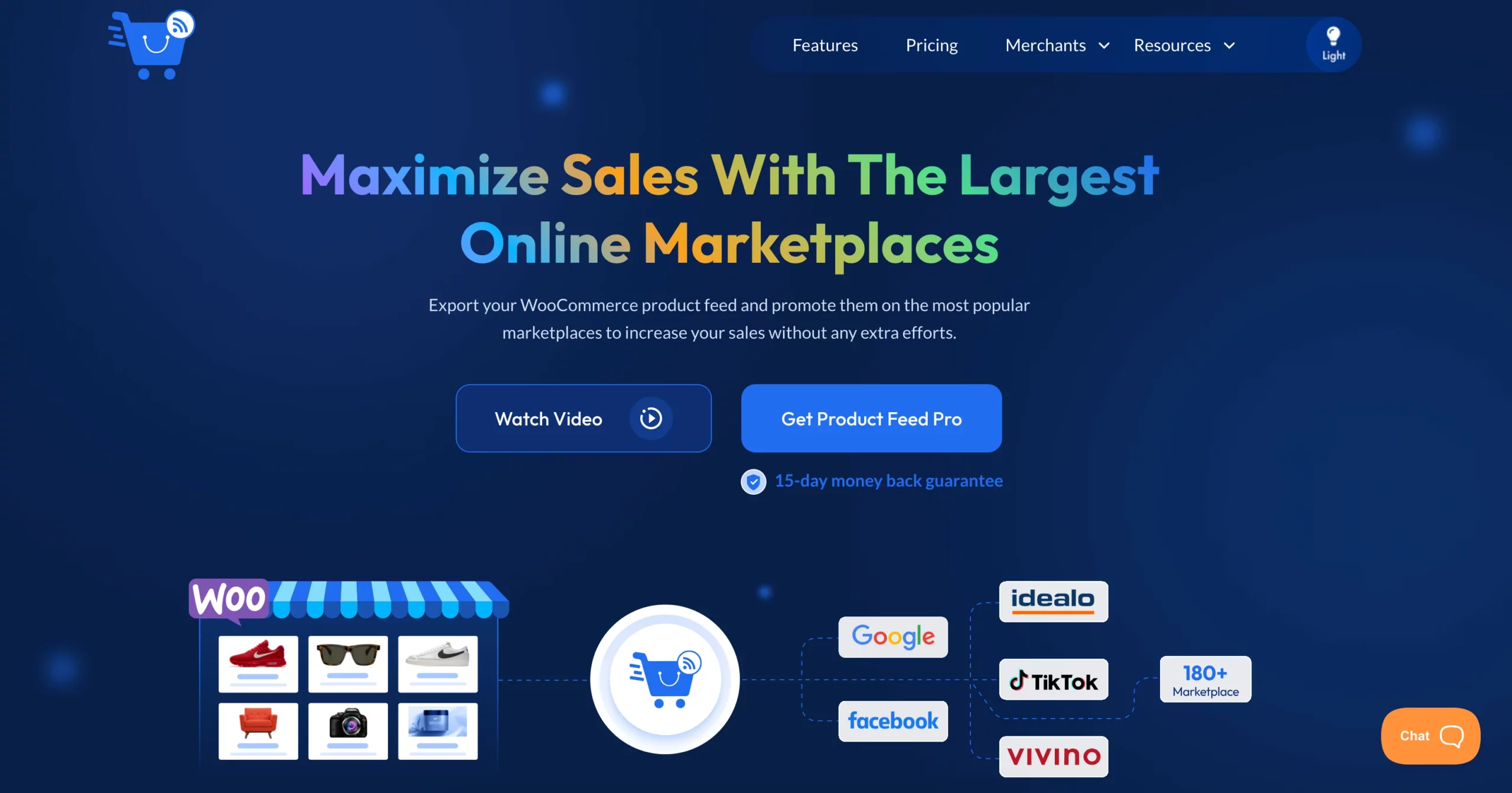
And because it has a built-in feed validator, it catches errors before you submit, so you sidestep the disapprovals that keep products hidden in the first place.
So think of it this way: you bring the strategy, and PFM makes sure your products are actually visible where buyers are ready to shop. You can start with the free version and have your first feed live in minutes.
Start today — and set your brand up to genuinely stand out in 2026.
FAQs
1. How can brands use Instagram Reels effectively?
Instagram marketing examples show that short, engaging Reels with trending audio drive significant reach and engagement in 2026.
2. Why should small businesses invest in Instagram ads?
Instagram marketing helps small businesses reach specific audiences with affordable ad formats like Stories and carousel ads.
3. Are influencer partnerships effective for online stores?
Yes, many Instagram marketing examples highlight how micro-influencers boost trust and drive sales for online stores.
4. How does content scheduling improve results on Instagram?
A good Instagram marketing plan ensures consistent posting, helping you grow followers and maintain engagement over time.
5. Which features should brands prioritize on Instagram?
Instagram marketing in 2026 emphasizes using features like Reels, Instagram Live, and Shops to connect and convert audiences.

![Show Your WooCommerce Products on ChatGPT & OpenAI Ads with Product Feed [2026] 2](https://rextheme.com/wp-content/uploads/2026/08/Show-Your-WooCommerce-Products-on-ChatGPT-with-OpenAI-Product-Feed-1-407x213.webp)