![AOV Marketing: Top 10 Strategies To Increase Average Order Value [2025]](https://rextheme.com/wp-content/uploads/2025/10/AOV-marketing-top-10-strategies.webp)
Over the past few years, I’ve noticed something interesting while working with eCommerce businesses: most store owners spend all their time trying to bring in more traffic. But what they don’t tend to do is: ask how much each order is actually worth.
And that’s where they start losing potential revenue. Because sometimes, you don’t need more visitors, you just need to make each sale count a little more.
That’s what Average Order Value (AOV) helps you do. It shows how much customers spend on average per order and gives you room to grow your revenue without spending extra on ads.
The best part is that it’s not complicated. A few smart tweaks, like better bundles, upsells, or free shipping thresholds, can make a noticeable difference.
A case study shows that a simple A/B test on the cart page increased AOV by 32% without changing anything else about the store.
So, in this guide, I will walk you through what AOV marketing really means, why it matters, and how you can use it to grow your eCommerce revenue steadily in 2025.
Let’s start.
TL;DR: AOV Marketing in 2025 — Quick Breakdown
AOV Definition:
Average Order Value (AOV) measures the average amount customers spend per order.
Formula:
AOV = Total Revenue ÷ Number of Orders
Why Average Order Value Matters:
Top 10 AOV Growth Strategies:
- Offer smart bundle deals
- Add personalized upsells like “Complete Your Look”
- Set free shipping thresholds to motivate bigger carts
- Run limited-time add-on offers
- Use tiered discounts to reward higher spend
- Build a loyalty or rewards program
- Offer customizable products
- Add post-purchase upsells for instant cross-sells
- Introduce subscriptions for repeat buys
- Add Buy Now, Pay Later options
Tracking Average Order Value :
Use your eCommerce analytics dashboard or Google Analytics to monitor Average Order Value changes after each campaign.
Best Tools for WordPress Stores to increase Average Order Value:
- Dynamic Discount
- Advanced Shipping
- Checkoutify
What is AOV Marketing?
First, let’s define Average Order Value (AOV).
Average Order Value (AOV) is the average amount a customer spends per order on your eCommerce store. You calculate it by dividing your total revenue by the total number of orders over a given period.
Now, I’ll explain what is AOV marketing.
AOV marketing is basically the practice of intentionally increasing the amount each customer spends per order by using strategies like upsells, cross-sells, product bundles, or free shipping thresholds. The goal is to grow revenue without needing more traffic or new customers.
Let me clarify using a scenario.
Suppose you run an online store that sells coffee accessories. Most customers spend around $40 per order on a single coffee mug. By offering a “Mug + Coffee Beans” bundle for $55 and offering free shipping at $60, customers are encouraged to add an extra item to their cart. With this small change, your average order jumps from $40 to $55 or more, increasing your revenue without attracting a single new visitor.
What is the Formula to calculate AOV in eCommerce?

The AOV formula is:
AOV = Total Revenue ÷ Total Number of Orders
This simple business metric helps you measure the average dollar amount spent by each customer in a single purchase.
Let’s say your online store made $25,000 in total revenue this month from 500 orders.
AOV = $25,000 ÷ 500 = $50
So, your Average Order Value is $50.
That means each customer, on average, spent $50 per order.
Tracking AOV helps you craft better pricing strategies and offer more products smartly to reach a higher AOV without needing more traffic.
Why does AOV Matter to an eCommerce Business?
I have already shared that most store owners are obsessed with traffic: “more visitors, more sales!” but that’s only part of the story. You can actually make more money without a single new visitor if you get each customer to spend a little more. That’s why Average Order Value (AOV) matters so much.
Let me break it down for you:
1. Make More Revenue from the Customers You Already Have
Every customer who shops on your site is an opportunity to increase revenue. If your AOV is $50 and you raise it to $60, that’s an extra $10 per order without spending a dollar on ads or marketing. Small improvements add up quickly, especially if you have hundreds of orders each month.
2. Reduce Your Customer Acquisition Cost
Acquiring customers isn’t cheap; ads, campaigns, and email sequences all cost money. When each customer spends more, the return on that investment improves. Essentially, increasing AOV spreads your acquisition cost across a bigger purchase, making every ad dollar more effective.
3. Improve Your Profit Margins
Higher AOV often comes from selling higher-priced items, bundles, or complementary products. This means each order is more profitable. Even if your product margins stay the same, a larger order boosts total profit per sale. Over time, this can make a huge difference in your bottom line.
4. Understand What Your Customers Are Willing to Spend
Tracking AOV isn’t just about numbers; it’s about insights. If you see that most customers naturally spend $45–$50, you can create offers around that range. Maybe a bundle nudges them to $65, or a free shipping threshold encourages adding just one more item. Knowing this helps you design smarter pricing and promotions that actually work.
5. Increase Customer Lifetime Value
Customers who spend more in one order tend to come back and buy more later. By increasing AOV, you’re not just boosting a single sale; you’re building more valuable, long-term relationships. Repeat buyers who consistently spend more can become your most profitable segment.
6. Reveal Upsell and Bundle Opportunities
AOV data shows patterns in what products are often bought together. For example, if customers frequently buy a mug with a coffee filter, you know these items are a natural bundle. Using that insight, you can create product combinations or upsells that make adding extra items easy and natural for your customers.
7. Shape Your Shipping and Discount Strategies
Free shipping thresholds or spend-based discounts work because people naturally adjust their carts to qualify. If you set free shipping at $75 and most carts are $60, customers are likely to add one more item to get that perk. This small nudge can lift AOV significantly, while still keeping shipping costs predictable.
What are the Proven Strategies to Increase AOV in Sales

Alright — so you already know AOV matters.
Now let’s talk about how you can actually raise it.
1. Offer Bundle Deals That Make Sense
People love feeling like they’re getting more for less. Instead of selling individual items, bundle related ones together, but make sure the combo feels natural.
Suppose you run a skincare store. Instead of selling a cleanser, toner, and moisturizer separately, create a “Daily Glow Kit” with all three at a small discount. The buyer spends more overall, but they feel smart for saving on the set.
Works best for: beauty, fitness, tech accessories, home goods.
Pro tip: Make bundles look like curated solutions, not random combos. Use names like “Starter Pack” or “Pro Kit” to make them feel intentional.

2. Add “Complete Your Look” or “You May Also Like” Upsells
Upsells don’t have to be those random pop-ups everyone hates.
When you do it right, it actually feels helpful like you’re just showing something that genuinely goes well with what they’re buying.
For example, someone’s buying a phone case, you suggest a screen protector and charger cable right under the Add to Cart button.
Works best for: fashion, electronics, lifestyle brands.
Pro tip: Keep recommendations relevant. Random add-ons kill trust but smart suggestions build it and boost revenue.
3. Set Free Shipping Thresholds Strategically
Free shipping is magic, but it only works when there’s a smart limit. Instead of offering it to everyone, set a threshold slightly above your current AOV.
Let’s say your average order value is $45. Set free shipping at $60. Now people will add one more product just to “save” on shipping. You win twice: higher order, and a happy customer.
Works best for: almost any eCommerce store.
Pro tip: Always display how close they are to free shipping like, “You’re $8 away from free shipping!” That small nudge works better than you think.
4. Run Limited-Time Add-On Offers
Scarcity works, but it has to feel authentic. Try offering small add-ons at a special price for a limited time, like “Add a Travel Pouch for $9 (today only).”
It’s quick, relevant, and creates urgency without sounding pushy. The buyer feels like they’re getting a deal they shouldn’t miss.
For instance, a coffee brand could say, “Add a mug for $5 when you buy two bags.” Easy win.
Works best for: consumables, seasonal products, and accessories.
Pro tip: Keep these offers time-bound but simple — don’t overload the buyer with too many options.
5. Introduce Tiered Discounts
Here’s something that works almost every time: tiered discounts. It’s simple: the more someone spends, the bigger the discount they get.
In this case, if you tell customers they’ll get 10% off above $50, 15% off above $100, and 20% off above $150, most people will try to hit that next level. It’s just how our brains work; we love feeling like we’re getting the better deal.
Let’s say you run a clothing store. Someone comes in ready to buy one shirt for $60. But when they see that spending $100 gets them 15% off, they’ll probably grab another item or two to reach it. You’re giving them a reason to spend more, and they actually feel good about it.
Works best for: fashion, beauty, and home décor stores.
Pro tip: Keep it clean and easy to understand. If people have to do math or read fine print, they’ll bail.
6. Create a Loyalty or Rewards Program
A loyalty program gives your customers a reason to spend more while making them feel rewarded. Every dollar they spend can earn points toward discounts or future purchases, encouraging them to add one more item just to reach the next reward.
For example, a skincare store could offer “Earn 1 point for every $1 spent. 100 points = $10 off.” Customers start thinking strategically about their purchases, naturally increasing your AOV.
Works best for: consumable or repeat-purchase products like beauty, wellness, or food.
Pro tip: Keep rewards simple and visible. Clear rules and progress tracking make customers feel in control and more likely to spend.
7. Offer Product Customization Options
Customization lets customers make products their own while adding value to their order. Personalized items carry a higher perceived value, which makes customers willing to pay extra.
For example, a leather accessory brand could offer name embossing for $10. Customers feel they are getting something exclusive, and your average order value increases without extra marketing effort.
Works best for: gifts, fashion, home décor, and niche accessories.
Pro tip: Present customization as a premium feature or exclusive addition, not just an “extra fee.” This makes customers more excited to pay for it.
8. Use Smart Post-Purchase Upsells
Post-purchase offers let you increase AOV right after checkout, while customers are still in a buying mindset. By offering relevant add-ons, the extra purchase feels convenient rather than pushy.
For example, someone buys a DSLR camera. Offering a lens cleaning kit at $9 immediately after purchase adds value for the customer while boosting your revenue.
Works best for: tech, hobbies, or lifestyle brands with complementary products.
Pro tip: Make post-purchase offers one-click and seamless. Tools like WPFunnels can automate and personalize these offers for maximum impact.
Related reads:
9. Introduce Subscription Options for Repeat Purchases
Subscriptions turn one-time buyers into recurring customers while lifting your AOV. Customers get convenience and savings, while you secure a predictable revenue stream.
For example, a coffee brand can offer “Buy one bag for $15 or subscribe monthly for $13.” Most customers pick the subscription because it’s effortless, and your revenue per customer increases steadily.
Works best for: consumables, personal care, and essentials.
Pro tip: Offer flexible subscription management. Easy pause or cancellation options make customers more likely to commit.
10. Add a “Buy Now, Pay Later” Option
BNPL makes higher-priced products easier to afford. Customers can spend more without feeling the immediate financial burden, increasing your average order value.
For example, a $300 standing desk becomes more accessible with four interest-free payments of $75. Customers often upgrade or add accessories when they don’t have to pay everything upfront.
Works best for: furniture, electronics, fashion, and high-ticket items.
Pro tip: Display BNPL options prominently on the product page so customers see affordability immediately, before checkout.
How to Track Average Order Value in eCommerce

Let’s look at how you can easily track Average Order Value in sales and monitor your progress over time.
- Calculate AOV: Divide total revenue by the number of orders in a set period, like weekly or monthly. This gives you the average amount each customer spends per purchase.
- Use Analytics: Check your eCommerce platform’s built-in analytics as WooCommerce or Shopify dashboards. These tools show your AOV without extra setup needed.
- Set Up: Use Google Analytics to track AOV and understand customer purchase behavior. It helps you see detailed insights beyond basic sales numbers.
- Monitor Regularly: Track your AOV consistently to spot trends or changes. This lets you adjust marketing strategies for better results quickly.
- Compare Periods: Review AOV over different time frames to measure success. It shows if discounts, bundles, or upsells are helping boost your average order value.
- Leverage Tools: If you use tools like Dynamic Discount or WPFunnels, tracking AOV becomes easier. These plugins provide built-in reports that simplify monitoring and optimizing your sales.
In the next section, I am going to explain what more tools will help you to incerase AOV.
How to Implement AOV Marketing Strategy in WordPress
Now that you know the strategies to increase AOV, it’s time to put them into action on your WordPress store. You don’t need complicated setups or extra coding. There are tools designed to make these strategies work for you, quickly and efficiently.
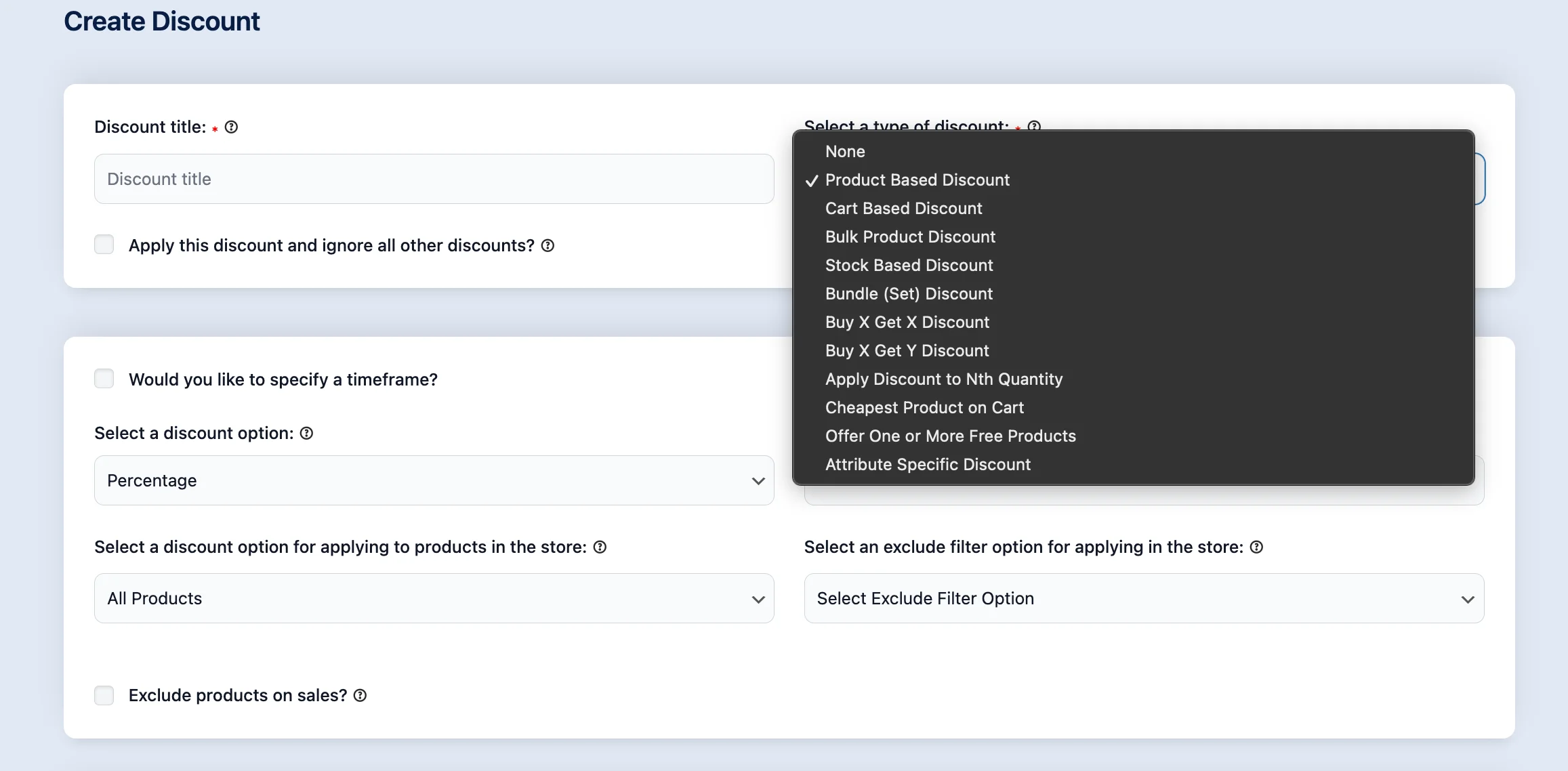
i. Dynamic Discount for Smart Offers
Dynamic Discount lets you create multiple discounts tailored to cart value, specific products, or categories. This is perfect for implementing tiered discounts or bundle offers.
For example, you can set “Buy 2 skincare items, get 10% off” or “Spend $100, get 15% off.” This nudges your customers to add more to their cart while keeping your margins in control.
ii. Advanced Shipping for Shipping Strategies
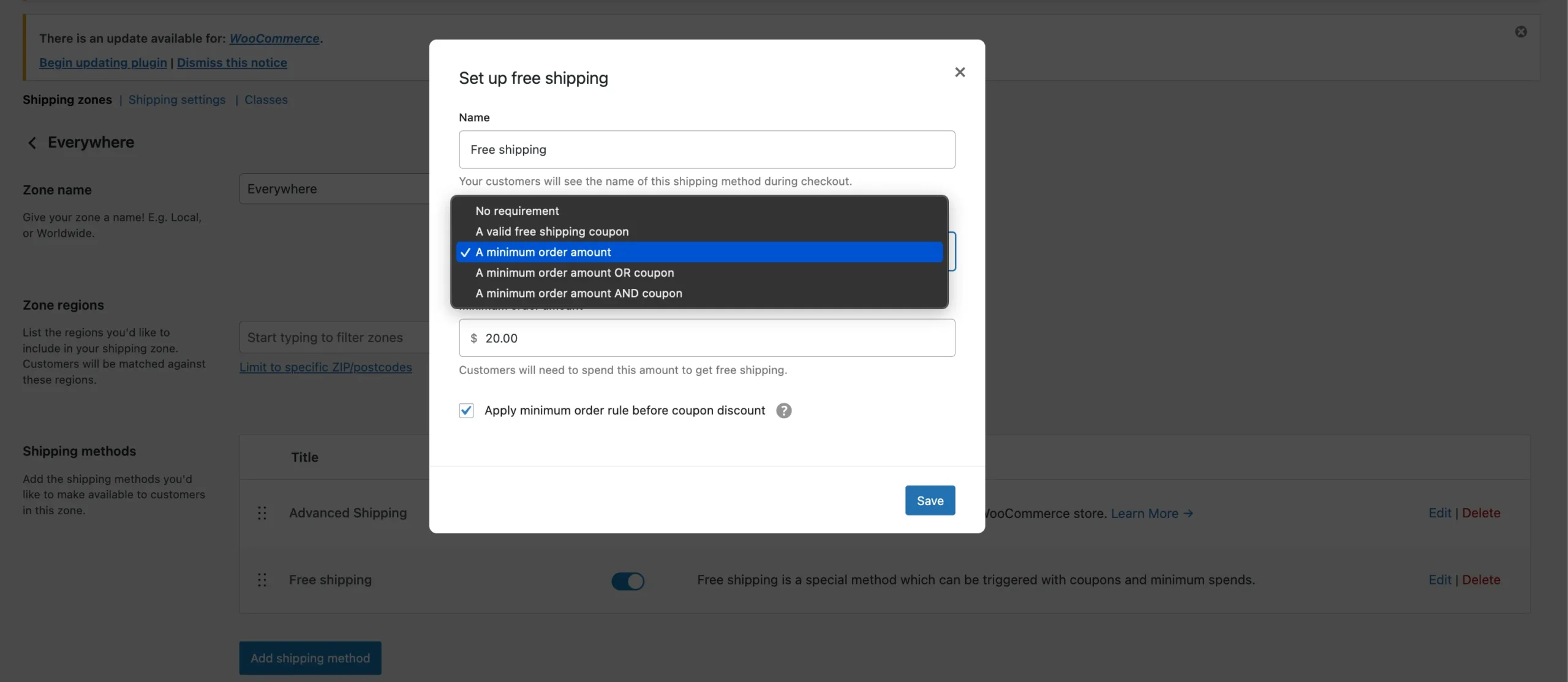
Advanced Shipping gives you full control over shipping rules. You can create thresholds that encourage customers to spend a little more to qualify for free shipping.
For example, if your current AOV is $45, set free shipping at $60. This simple adjustment can naturally lift your average order value without any additional marketing effort.
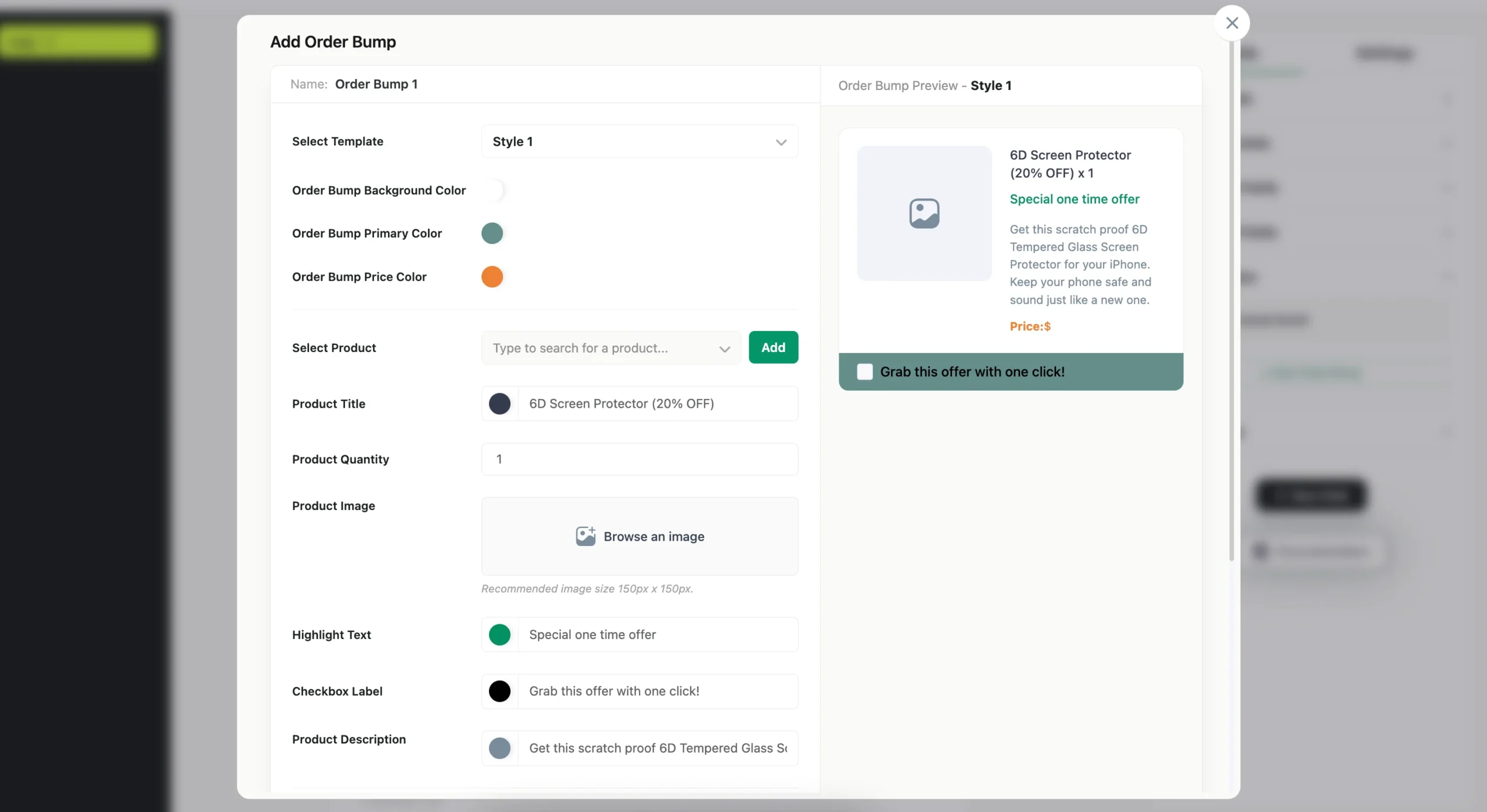
iii. Checkoutify for Order Bumps and Post-Purchase Upsells
Checkoutify helps you present order bumps during checkout or upsells after purchase. This covers strategies like smart post-purchase offers and related product upsells.
For example, if a customer adds a jacket to their cart, you can offer a matching scarf at a small extra cost. After checkout, you can suggest complementary items at a discount, which increases the total spend without feeling pushy.
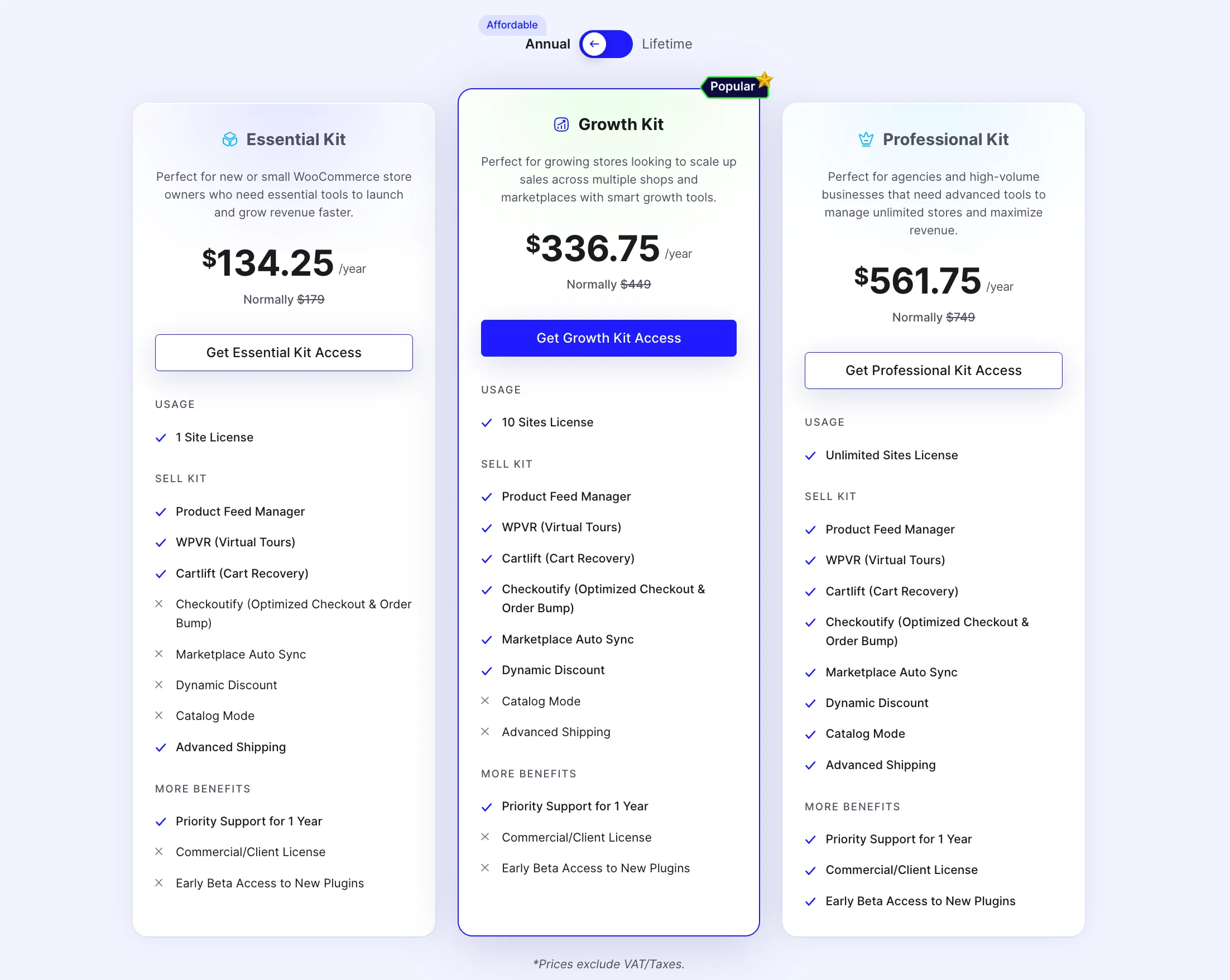
To make it even easier, your WooCommerce Sell Kit Bundle lets you offer multiple products together at a discounted price, giving customers a ready-to-buy package while boosting your average order value automatically.
Conclusion
Now you understand AOV marketing and how it can boost your eCommerce growth. Increasing Average Order Value means earning more from each customer without needing more visitors.
Using smart strategies like discounts, bundles, and upsells helps increase what customers spend per order. This makes your store more profitable and more efficient.
Focusing on AOV marketing helps you grow revenue steadily and build a stronger online store. It’s a powerful way to maximize profits without extra traffic.
To make boosting AOV easier, consider using Dynamic Discount, Advanced Shipping & Checkoutify. They offer smart, automatic discounts that encourage customers to spend more and grow your WooCommerce store effectively.
FAQs
What does AOV stand for in marketing?
AOV stands for Average Order Value. It measures how much customers spend on average each time they place an order. Tracking AOV helps you understand your customers’ buying habits and identify opportunities to increase revenue without needing more traffic.
Is AOV a KPI?
Yes, AOV is a key performance indicator (KPI) in eCommerce and marketing. It helps you evaluate how effectively your pricing, product bundling, and upselling strategies are performing. A healthy AOV means you’re maximizing revenue from every purchase.
What are common AOV mistakes?
A common mistake is focusing only on discounts without considering profit margins. Another is not using strategies like product bundles or order bumps to increase order size. You also risk lowering AOV when you ignore post-purchase offers or cross-sell opportunities.
How to calculate your AOV?
To calculate AOV, divide your total revenue by the total number of orders in a given period. For example, if your store makes $10,000 from 200 orders, your AOV is $50. This metric gives you a clear view of how much your customers typically spend per transaction.
What is AOV in CRM?
In CRM, AOV refers to tracking how much a customer spends on average over multiple purchases. It helps you segment high-value buyers and personalize marketing campaigns. When integrated with tools like WooCommerce and Mail Mint, you can target those segments to boost repeat sales.