![More Real Estate Site Visits Don’t Always Bring More Conversions [2026]](https://rextheme.com/wp-content/uploads/2026/03/Lead-To-More-Conversions_.webp)
A lead comes in through your listing. They sound interested enough, so you don’t wait around; you offer them a real estate site visit right away.
- You booked the visit.
- You drove out.
- Unlocked the door,
- Walked them through every room,
- Answered every question.
They said, “We’ll think about it.” You never heard from them again.
If that sounds familiar, you’re not doing anything wrong. You’re just stuck inside a belief that most agents never question: more real estate site visits equal more sales.
- It sounds obvious.
- It feels obvious.
But according to Ruler Analytics, it quietly tells a different story.
The real estate sector has an average overall conversion rate of just 2.8%
That means most of those visits were never going to turn into buyers in the first place, as those visitors are not serious. If they were serious, they would fall into the 2.8% category; they are all like window shoppers.
And yet, this is why so many agents burn their weekends on people who were never going to buy, instead of focusing on the genuinely interested buyers who’d actually help you sell your property faster.
Let me show you why this breaks down, and what to do instead.
TL;DR – Property Visit Does Not Always Bring Conversion
- Pushing every lead to a site visit fills your schedule with people who aren’t ready to buy.
- Most buyers reject a property because something didn’t match their expectations before they even arrived.
- If you use a virtual tour first, you filter out the casual browsers and keep the serious buyers.
- People who view a tour before visiting are more likely to convert. That’s why the goal should be qualified visits, not just more visits.
- In fact, 90% of commercial real estate professionals using virtual tours report higher revenue.
- Final Verdict: Use WPVR to add a virtual tour to your listing, so every real estate site visit you schedule is with matched buyers who already want what you’re selling.
Why Pushing Property Visits Too Early Slows Down Your Home Sale
When a buyer asks to visit your property on their own, that’s the moment you want.
At that point, they’re not just browsing. They’ve already filtered options, compared listings, and decided your property is worth their time. They’re coming in to confirm what they already believe, not to figure things out from scratch.
These are the visits that turn into serious offers.
The problem begins when every inquiry gets pushed into a physical visit too early in the home selling process.
It feels productive. More visits must mean more chances to sell, right?
In reality, it often does the opposite.
Most of these early, unqualified visits follow a familiar pattern. The buyer walks through the space without much engagement, asks a few surface-level questions, and leaves with no real intention of moving forward.
- No follow-up.
- No second visit.
- No offer.
This isn’t bad luck. It’s what happens when buyers haven’t done enough of their own filtering before stepping inside.
And there’s a hidden cost most sellers don’t notice.
Every unnecessary visit takes time, effort, and coordination. It disrupts your schedule, creates pressure to keep the property ready, and drains energy that could be better spent engaging with buyers who are actually close to making a decision.
A smoother home selling process isn’t about increasing the number of visits. It’s about making sure the right buyers walk through the door at the right time.
Why Buyers Walk Away After a Visit (It’s Simpler Than You Think)
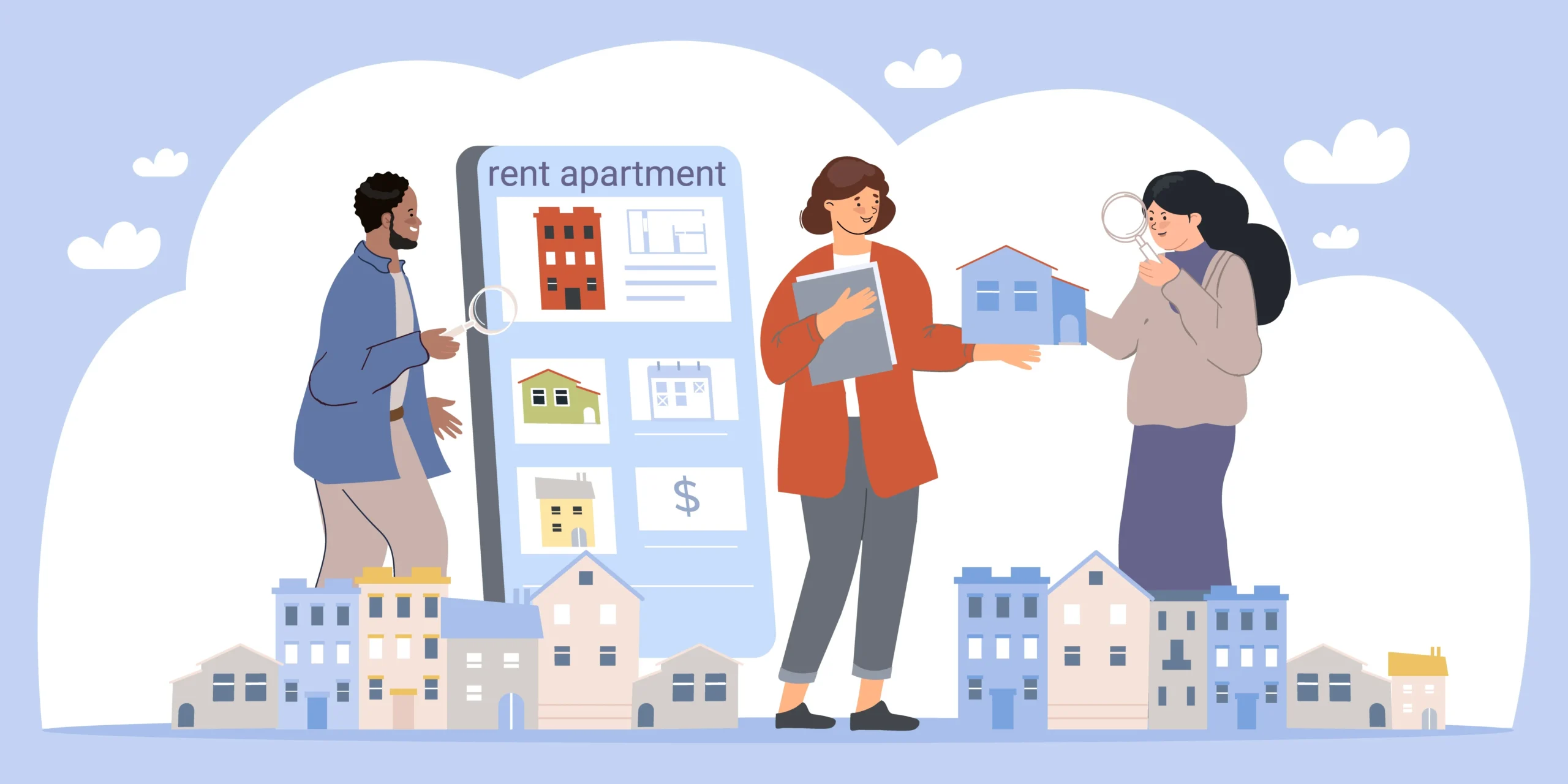
Most agents assume buyers need to physically stand in a room to understand it. But by the time a buyer shows up, they’ve already made a quiet decision.
Not consciously. But internally.
They’ve seen your photos, read your description, and built a version of the property in their mind. The visit doesn’t create that impression. It tests it.
And this is where things break.
- If your property feels tighter than expected, interest drops instantly.
- If the layout doesn’t flow the way they imagined, they disengage.
- If key details don’t match what they pictured, doubt takes over.
It’s not one big issue. It’s small mismatches adding up in real time.
That’s why buyers often seem polite during the visit, but disappear after. The decision already happened. They’re just being courteous on the way out.
So the problem isn’t what you say during the visit. It’s what the buyer expected before they arrived.
Because once that expectation is off, there’s nothing inside the property that can fix it.
Let Buyers Fall in Love Before The Real Estate Site Visit
If buyers aren’t making decisions during the visit, then the role of the visit needs to change. It’s not the starting point anymore. It’s the final step, reserved for buyers who already see your property as a strong fit.
Now, I am giving you some virtual tour strategy so that they can fall in love before the site visit.
Strategy 1: Pre-Qualify Buyers With a Virtual Tour First
Not every inquiry needs a visit. Before you open the door, let buyers explore your property on their own.
A virtual tour allows them to move through each room, understand the layout, and get a real sense of the space without scheduling a showing. They can take their time and decide if it fits.
This is where the first filtering happens. Some will drop off once they realise your property isn’t right for them. That’s time saved.
Others will keep exploring, moving through rooms and spending time on key areas. That’s your signal they’re getting closer to a decision.
By the time they ask for a visit, they already know your property. They’re not just curious anymore. They’re ready to confirm.
Real estate virtual tour software lets you embed that kind of tour directly on your WordPress listing, no developer required, and no trained representative needed to walk every single buyer through it in person.
Strategy 2: Only Invite the Buyers Who Actually Engaged
Not every click deserves a visit.
What matters is what the buyer does after they open your tour.
Look for the signals that show real interest:
- They spend time inside the tour, not just a quick 10–15 second glance
- They move through multiple rooms instead of staying on the first view
- They revisit key spaces like the living area, kitchen, or primary bedroom
- They click through hotspots, details, or floor transitions
- In some cases, they come back to the tour more than once
These actions tell you something simple: they’re not just looking, they’re imagining.
A buyer who spends a few minutes actively exploring is mentally placing themselves inside the property. That’s a very different level of intent than someone who just opens and leaves.
That’s who you invite for a property visit.
Those are your matched buyers, the ones worth your time and attention during a real walkthrough.
Everyone else doesn’t need to be chased. They stay in your pipeline, and if the interest becomes real, their behaviour will show it.
Strategy 3: Tour-First Buyers Convert Meaningfully Higher
This is the part most real estate agents underestimate. When buyers explore your property online first and then ask for a visit, they’re not browsing anymore. They’re confirming.
Listings with a strong virtual tour experience can see conversion rates up to 46% higher than those relying only on photos.
And when you place clear calls-to-action inside your tour, they can convert 3 times better than a standard CTA at the bottom of a listing.
The reason is simple.
By the time buyers reach out, they already understand your property. They’ve spent time inside it, checked the details, and decided it’s worth seeing in person.
- You’re not waiting for the right buyer to show up.
- You’re meeting buyers who already decided your property fits.
The tour gets them there. The visit is where they confirm it and move forward.
Strategy 4: Virtual Tours Pay Off
If you’re still unsure whether this virtual tour is worth it, look at what others are already seeing.
In a survey of 300 commercial real estate professionals, 90% reported increased revenue after adding virtual tours, and 85% saw better-quality, more qualified leads.
That’s not a small improvement. It’s most professionals reaching the same conclusion.
When buyers qualify themselves before the visit, your time goes to the right people, your conversations become easier, and your chances of closing improve.
Making virtual tours part of how you present your property isn’t just a nice addition. It’s a smarter way to run every sale.
The WPVR Funnel: How This Runs in Practice
Now I am going to give you what the process looks like if you implement this.
- Virtual tour → Listing page → “Book a Showing” → Serious visits only
Start by uploading your 360° photos and publishing the tour directly on your listing page.
A buyer explores your property on their own, moving room by room and getting a clear sense of your property without needing a scheduled visit.
Inside the tour, place a simple “Book a Showing” call to action. When a buyer clicks it, they’re taken straight to your calendar.
At that point, the signal is clear. They’ve already spent time inside your property. They’ve seen enough to stay interested. And now they’re choosing to move forward.
That’s when you schedule the visit.
- No guessing who might show up and lose interest.
- No time spent on buyers who were never serious.
Once it’s set up, the process runs quietly in the background. You focus on the visits that matter.
Fix Your Listing Page Before You Fix Your Follow-Up
Before any of these strategies work, check one basic thing: your listing page. Sometimes the issue isn’t lack of interest. It’s small friction pushing your buyers away before they take the next step.
- Maybe key details about your property are hard to find.
- Maybe the layout isn’t clear.
- Maybe there’s no obvious way to ask a question or book a visit.
When buyers can’t quickly get what they need, they don’t reach out. They leave.
That means you could be losing serious buyers before they even get close to requesting a visit. Fixing this doesn’t require a full redesign. It’s about clarity.
- Make sure your property details are easy to scan.
- Make the next step obvious.
- Remove anything that slows a buyer down.
Once your listing page does its job properly, everything else starts working better.
- Your virtual tour filters more effectively.
- Your inquiries become more relevant.
- Your visits come from buyers who already know what they’re walking into.
Without that foundation, every strategy above struggles. You’re left handling unfiltered inquiries and guessing who’s actually serious. And that’s exactly what you’re trying to avoid.
Conclusie
Look, more visits were never the real goal. Conversions were.
You don’t need a full calendar of strangers wandering through a lot of questions. You need fewer visits from the right buyers who have already decided they want what you’re showing them.
Let a virtual tour do the early filtering. Save the real estate site visit for the buyer who’s already sold on the idea, and needs to see it in person to say yes. Keep that goal in sight, and how fast a property sells starts to look a lot more predictable.
You can set this up on your WordPress listings today with WPVR software, no technical skills required. And it is more affordable than any Saas virtual tour.
** FAQs **
01. Why do my property visits keep ending without a sale?
It usually happens because your buyers have already made up their minds before they arrive. If what they expected doesn’t match what they see, they lose interest quickly. You can fix this by setting clearer expectations upfront and letting buyers explore the property online before booking a visit.
02. When should I actually offer a property visit?
You should offer a visit only after a buyer has shown real interest. Let them explore your listing and virtual tour first. When you invite them after that, you’re dealing with someone who already likes the property, not just browsing.
03. How can I get buyers to spend more time looking at my property online?
You can do this by adding a virtual tour. It gives buyers control to explore at their own pace, which keeps them engaged longer and helps them understand the property before reaching out.
04. Why am I getting lots of enquiries but very few serious buyers?
This usually means your listing isn’t filtering people properly. When you don’t give buyers enough information upfront, anyone can enquire. You can fix this by adding detailed content and a virtual tour so only genuinely interested buyers reach out
05. How can I get buyers to spend more time looking at my property online?
You can do this by adding a virtual tour. It gives buyers control to explore at their own pace, which keeps them engaged longer and helps them understand the property before reaching out.