![Are You Unknowingly Earning 30% Less in Real Estate Sales? [2026]](https://rextheme.com/wp-content/uploads/2026/04/Are-You-Unknowingly-Earning-30-Less-in-Real-Estate-Sales_-1.webp)
As a realtor, you’d think that focusing on local leads is the best approach, right?
I’ve observed several real estate forums, and most seem to believe that dealing with buyers within a fixed radius is best because, naturally, you get faster responses to open houses or home visit requests when you promote the listings.
That’s okay.
But did you know that you might be leaving 30% extra earnings on the table without realizing it?
Yes. It is actually possible to sell some properties (not all) at a higher price than the local value.
Many are already doing it. But how?
Are they great at negotiations? Or maybe they are selling overpriced listings? NO.
The secret is actually “who” they are selling to.
They are now focusing on buyers you probably haven’t targeted directly yet.
And these are buyers who are ready to place offers even at a higher price.
Today, I’ve decided to help you learn about this simple yet highly profitable approach that many realtors have started using to earn additional commissions.
And I’m sure after reading, you will find some new things to add to your marketing approach for your listings.
Let me explain in detail.
The “Local-First” Mindset is Quietly Capping Your GCI
As I said above, with local leads, you do get more people to meet with you and visit the properties. But over time, you will realize that you will have more weekends spent with people who never put in an acceptable offer. (If you have done this for a while, you already know the drill.)
It’s a fact that people from the same locality will always look for a lower deal. Not that it doesn’t work out. But it limits how much you can earn.
However, if it’s a buyer from another state or locality, then it helps you earn a significantly higher GCI (Gross Commission Income).
According to Redfin, relocators typically bring 30% higher budgets than local buyers.
In many high-growth markets, out-of-state buyers are spending more on average compared to local home buyers.
So you can understand why I am bringing up “local leads/buyers” since the beginning of this article. You are not wrong in trying to sell properties within a fixed locality. But, if you could get a few of those relocating prospects, your earnings would have been quite higher.
This is exactly the difference in what others are doing to earn that extra 30%.
Your “Expensive” Listings Are Someone Else’s Deal

Now, I have also seen realtors focusing too much on affordable listings and keeping the expensive ones to the side, leaving them to chance for selling.
But let me paint you a picture.
Suppose you have a listing valued at $650,000 that you believe is a bit too much for your local buyers.
For someone relocating from places like San Francisco, New York, or Seattle… it might not feel expensive at all. In fact, they could even feel like it’s a winning deal.
Buyers coming from high-cost cities are used to paying significantly more. When they enter your market, they’re often bringing $100k-$250+ more in purchasing capacity compared to local buyers.
So what you’re positioning as a premium property… they’re seeing it as an affordable home that they were looking for all along.
So instead of putting those expensive listings to the side, maybe you should expand your promotional zones.
And no, I don’t mean that you should contact agents from that location to seek referrals. I mean, actually promoting to those areas as an option to relocate and own an affordable home.
If someone were to refer you to the client, you’d have to pay a 20-30% commission to that agent. Then you’d not be making much.
And if you are able to do it right, then you can actually close the deal with fewer back-and-forths or delays.
But I understand what you might be thinking right now.
“Aren’t Remote Buyers Risky?”
I’ve seen some realtors complaining in forums that they’ve had remote prospects waste their time by showing interest, making them hold off on selling to someone else, and then ghosting the deal.
Yes, that can happen. But you can make sure it happens at a minimum.
How? Using virtual tours.
Large real estate firms have now started using virtual tours because it really does reduce getting poor visit requests or inquiries.
Virtual Tours Don’t Just Show Homes, They Help You Attract the Right Buyers

Most agents still think virtual tours are just there to “make listings look better.” That’s the wrong way to look at it.
A high-quality virtual tour actually does more than just display the property. It also acts as a pre-filter to get the right buyers interested.
The data backs this up.
59% of Millennials (the largest group of active buyers) feel confident making an offer based only on a virtual tour.
Yes. It might seem unusual, but it’s true.
In the past, photos were the best way. And when video tours came along, people started trusting realtors who offered one. But still, none of them really gave buyers full control. And they still faced doubts.
But with virtual tours, the experience is so realistic. Buyers no longer face doubts about how the rooms are arranged or the overall look of the house. They know during the visit, it will will near-similar. Their questions after a virtual tour lie more towards materials, neighbourhood, or the process of moving forward.
This effect is the same even for remote buyers. So while they are miles apart, they will feel more confident in their homes if you use an engaging virtual tour.
By the time they reach out to you, they’ve already “walked” the property multiple times on their own and have already pre-qualified themselves.
”10 Fewer Days Per Listing and 5.6% to 8.5% Higher Transaction Price”
This is probably what you would want to learn about the most… How it all adds up.
First of all, it’s not going to be enough to just target remote buyers. As I’ve explained earlier, you have to minimize the chances of them wasting your time.
So, what others are doing to earn that extra amount is,
- First, they are targeting remote buyers or relocaters from a distance.
- Second, they are using virtual tours to ensure they get contacted by and offers from more legit buyers.
As such, when it comes to using virtual tours, the numbers do speak for themselves.
First of all, nowadays, creating virtual tours is no longer expensive. You can simply get a software for under $100 and get things ready easily.
And on top of that, they ensure you get to close more deals.
On average, listings with virtual tours close 31% faster deals that’s about 10 fewer days on market.
That means less struggle with
- Back-and-forth follow-ups
- Repetitive showings
- Conversations that go nowhere
- And you don’t have to wait 10 weeks to sell your property
Now add the second piece. Listings with immersive media tend to sell for more without extensive negotiations.
On average, they achieve around a 5.6 to 8.5% higher transaction price.
Why?
Because buyers can clearly see what they’re getting. There’s no guessing, no uncertainty or hesitation. They feel more confident paying closer to the asking price, rather than finding reasons to avoid the deal.
It also means you earn more in commissions.
For instance, on a $500,000 listing, if you can sell it at 5.6% more than the actual asking price, that’s about $28,000. That’s not a small amount. If you are getting 30% commission, then you can earn at least $7000 more!
Over the year, if you sell about 5 such properties to relocators, you make $35000 more!
Not bad for just one additional element to your overall selling process, right?
(And you are not having to give away 20-30 commission to another referring agent.)
The “Remote-Ready” Reality Check – You’re Might Be Invisible To 30% Of The Market Right Now
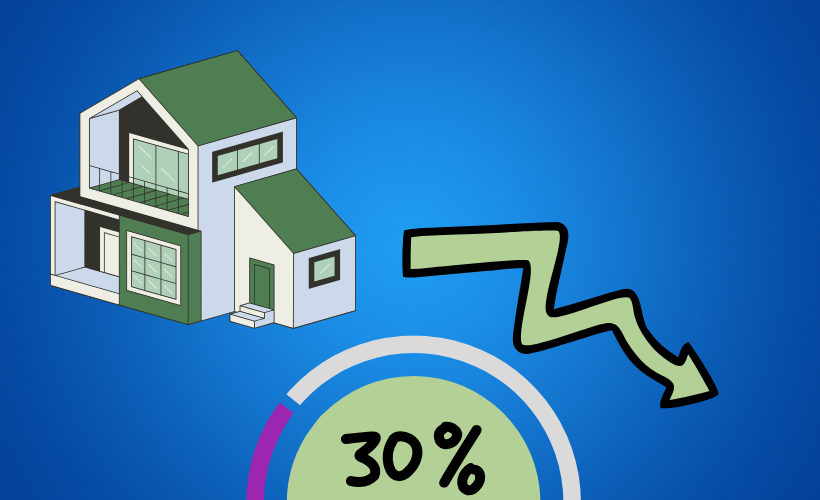
Now here’s the thing. If you’re not using virtual tours, chances are, you are not getting any attention from most remote buyers. And as you know, remote buyers are the highest-spending ones.
Right now, 63% of buyers actively prefer working with agents who offer virtual tours. That means before they even contact you… They’ve already filtered you out.
And it doesn’t stop there. Listings with virtual tours get:
So, it caters more attention, more interest, and more serious intent. And the agents who are already using immersive tech are growing their revenue faster than those who aren’t.
That gap is growing rapidly. So virtual tours in the real estate industry are no longer just about “keeping up with trends.” You have to embrace it if you want to grow and get out of your limited earnings.
They Are Ahead.. But You Aren’t Behind Yet..
Now, the agents and real estate firms, who have already found out this combination of using virtual tours and targeting remote buyers, are currently earning that extra 30%.
But it doesn’t mean you can’t catch up. In fact, it’s not a competition. This is just a logical shift you need to get on their levels.
I’m sure you have wondered why they are able to reach a higher GCI. Well, this is one of the strategies they used to reach that level.
But it’s doesn’t mean you can’t do the same.
You can simply start now and change your own income limit.
For virtual tours, you can use your phone’s camera or get a 360-degree camera to get panoramic images. Then use any affordable software to turn them into a virtual tour.
You can try WPVR (for free) and see how it makes things easier.
And once you have your listings updated with virtual tours, you will already see a better response.
But, you should then take the step to start promoting your listings to a broader market to get those relocating remote buyers.
Conclusion
The bottom line is simple.
- Stop limiting yourself to selling only in a fixed locality.
- Stop ignoring high-priced listings. Start promoting them to remote buyers where properties have a higher value.
- Redesign your marketing process to reach more remote buyers or relocators from outside your usual radius.
- Use virtual tours to make sure buyers who reach out are of high intent.
It does sound like a bit much right now. But actually, it won’t feel that difficult once you stop getting low-quality inquiries and higher commissions.
Now that you understand the importance of targeting remote buyers and using virtual tours to attract them, here’s another guide you will find helpful.
I’ve broken down how you can break the doubts of remote buyers and convert more of them effectively.
Read the guide:
Looking For An Easy And Affordable Virtual Tour Creator?
While targeting remote buyers is one aspect, virtual tours are valuable regardless of who you target. You can try creating one yourself for free with WPVR.
It will take less than 10 minutes to create one if you have 360 panoramic images with you.