![15 Exciting Augmented Reality Examples Across Different Industries [2026]](https://rextheme.com/wp-content/uploads/2025/06/AR-examples-Feature-Image.webp)
Augmented Reality used to live in the pilot graveyard.
You see it everywhere for years as flashy demos, conference experiments, “cool ideas” that never quite make it into real products. Someone builds it, people clap, then the same question hangs in the air: Can this even work at scale? And, a few months later, everyone moves on.
That phase is over.
Now, the real question isn’t: can AR work? It’s how fast you roll it out without falling behind. Retail brands, healthcare providers, educators, and even construction teams already treat AR as a practical tool, not an experiment.
According to Deloitte, over 88% of mid-sized companies now use AR to improve customer experience, and that number doesn’t come from hype but the results you can actually measure.
You probably already see it in action, even if you don’t label it as AR. You try makeup without touching a product. You drop a virtual sofa into your living room. You preview a space, a product, or a decision before committing to it. That moment of clarity is where AR does its best work.
In this guide, I’ll walk you through 15 real-world augmented reality examples across different industries and show what actually works, why these experiences convert attention into action, and how businesses apply AR without overcomplicating things.
Let’s get started.
TL;DR – 15 Augmented Reality Examples Across Different Industries
- Augmented Reality (AR) overlays digital elements (3D objects, effects, info) on the real world through smartphones or AR glasses.
- It works by using your device’s camera and sensors to map real environments and place digital content in real-time.
- The ability of AR lies in making shopping and decision-making more interactive, visual, and fun for users across industries.
- Here are 15 of the best real-world AR examples in action:
– IKEA Place App – visualize furniture at home
– L’Oréal AR Makeup Try-On – test makeup virtually
– Nike Virtual Try-On – try sneakers with your phone
– Porsche AR Visualizer – Customize luxury cars in 3D
– AccuVein – vein projection for safer injections
– Google Expeditions – AR field trips for students
– Akular AR Tours – walk through staged real estate
– Pokémon GO – iconic AR mobile gaming
– Houzz AR Tool – preview furniture in your room
– Boeing AR Maintenance – live repair instructions
– TimeLooper – historic AR tourism guides
– Coachella AR Filters – live AR concert effects
– Pepsi Max AR Bus Stop – viral AR street campaign
– GAMMA AR – overlay blueprints at construction sites
– Kabaq Menu AR – see food in 3D before ordering - Final Verdict: If you want to stand out, build brand loyalty, or drive more informed purchases, AR is your answer. And if you are looking for any kind of VR-related tool, then WPVR will be the best option for making virtual tours.
![15 Exciting Augmented Reality Examples Across Different Industries [2026] 3](https://rextheme.com/wp-content/uploads/2025/06/Form-Create-Your-Virtual-Tours-in-Minutes-.webp)
What Is Augmented Reality & How Does It Work?
Augmented Reality is basically a technology that places digital elements directly into your real-world view, in real time, using a device camera and sensors. Those digital elements can be 3D products, text, animations, or visual guides. They don’t replace your environment. They sit on top of it and respond to it.
You still see your room. Your street. Your desk.
AR simply adds accurate digital objects to that view and keeps them locked in place as you move.
Now here’s how it works, step by step, using a real situation.
You open an AR feature on your phone while shopping for a chair. Your camera turns on and scans the room. At the same time, your phone’s sensors measure distance, depth, and surface placement. Once the space is mapped, the AR system drops a 3D chair into your room at the correct scale.
When you move your phone, the chair stays where it’s supposed to be. When you step closer, it looks bigger. When you change angles, shadows and positioning adjust in real time.
Nothing is guessed. The system constantly reads your environment and updates the digital object to match it.
That’s the core of AR.
You’re not imagining how something might look. You’re seeing it inside your real space, before making a decision. And that’s why AR works so well across shopping, education, healthcare, real estate, and beyond.
Once you understand this foundation, the examples you’re about to see make a lot more sense because every one of them follows this same logic, just applied in different industries.
Why You Need Augmented Reality in Your Industry
Now that you know what AR is and how it works, let’s talk about why it actually matters for your business. As I said earlier, AR isn’t a gimmick anymore; it’s a tool that can make your products, services, and marketing more effective.
Here’s how it helps across industries:
1. Enhance Product Experiences
AR lets your customers interact with your products before they buy. IKEA reported that shoppers who used their AR app were more confident in their purchases and returned 20% less than those who didn’t. When people can see a product in their real space, it becomes a decision they’re comfortable making.
2. Reach More AR Users
You can reach a huge audience by turning your Augmented Reality experience into a Facebook or Instagram filter, tapping into over 5 billion monthly active users across both platforms. That’s a massive audience who’s already used to engaging with AR content. By integrating AR into your marketing campaigns, you’re not just showing your product—you’re showing it in a way people remember and share.
3. Boost E-commerce Conversions
Augmented Reality increases buyer confidence online. Shopify found that AR-enabled products are 94% more likely to be purchased than standard images. When shoppers can “try before they buy” digitally, they’re less likely to abandon carts or return products.
4. Speed Up Buying Decisions
Augmented Reality removes guesswork. Customers see exactly how a sofa fits in their living room or how a machine will look on a factory floor. This reduces hesitation, shortens sales cycles, and often triggers quicker impulse purchases.
5. Make Marketing Memorable
If you want people to remember your brand, AR helps you do that in a way normal ads can’t. Look at Pepsi Max’s AR bus stop campaign, which went viral because it was surprising, fun, and interactive.
People didn’t just see it, they shared it. Using AR isn’t just about showing your product; it’s about giving your audience something to actually talk about.
Now that you see how augmented reality can make a real impact in your business, let’s clear something up.
What’s The Difference Between Augmented Reality & Virtual Reality
People often mix up AR and VR, and honestly, it makes sense. They both deal with digital stuff you can see and interact with. They do have a bit in common, like creating immersive experiences, but how you use them and what your audience actually sees is very different.
So here’s how augmented reality vs virtual reality looks.
| Feature | Augmented Reality (AR) | Virtual Reality (VR) |
| Definition | Adds virtual elements to your real environment | Fully immersive digital environment |
| User Experience | Blends digital info with the physical world | Replaces the physical world with a virtual one |
| Equipment Needed | Smartphones, AR glasses, AR viewers | VR headsets, motion controllers |
| Interaction | Interacts with both real and virtual objects | Interacts only within the virtual environment |
| Common Uses | Usually, mobile and wearable devices | Gaming, training simulations, virtual tours |
| Mobility | Often requires a stationary setup or dedicated space | Enhances the real world with extra info |
| Examples | Pokémon GO, IKEA Place, Snapchat filters | Oculus Rift, HTC Vive, PlayStation VR |
| Impact on User | Enhances real world with extra info | Creates a fully new and separate reality |
- You can also learn more about different types of virtual reality to get more ideas from it.
- Also, check out this guide to learn more about the pros and cons of virtual reality.
15 Best Augmented Reality Examples by Industry
Now that you understand what augmented reality is and why it matters, it’s time to explore how different industries are actually using it.
Below, I’ve listed 15 powerful AR examples that show exactly how businesses are using this technology to boost engagement, improve customer experience, and drive results.
1. Retail – IKEA Place App
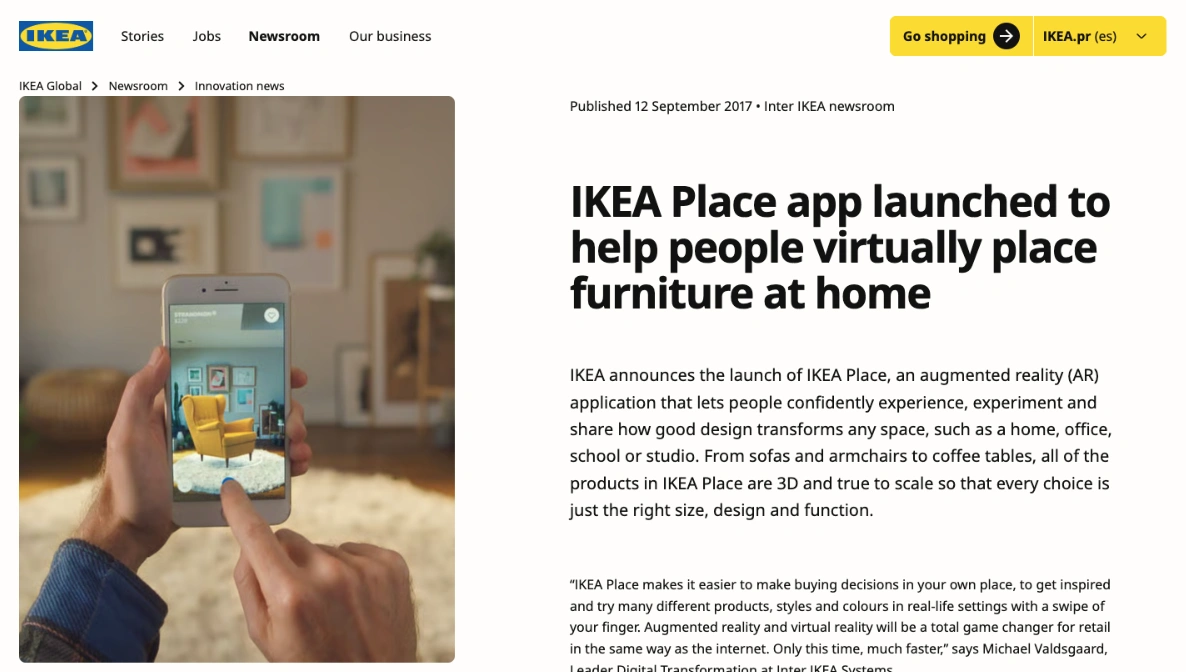
If you’ve ever wondered how a sofa would look in your room, IKEA Place makes it easy. Just point your phone and see the furniture placed virtually in your space.
This app uses AR to help you explore how products fit before buying. You don’t have to guess sizes or styles anymore; it’s like trying furniture without lifting a thing.
It saves time, reduces returns, and makes online shopping way more fun. If you sell physical products, this kind of AR can seriously upgrade your customer experience.
2. Beauty – L’Oréal AR Makeup Try-On
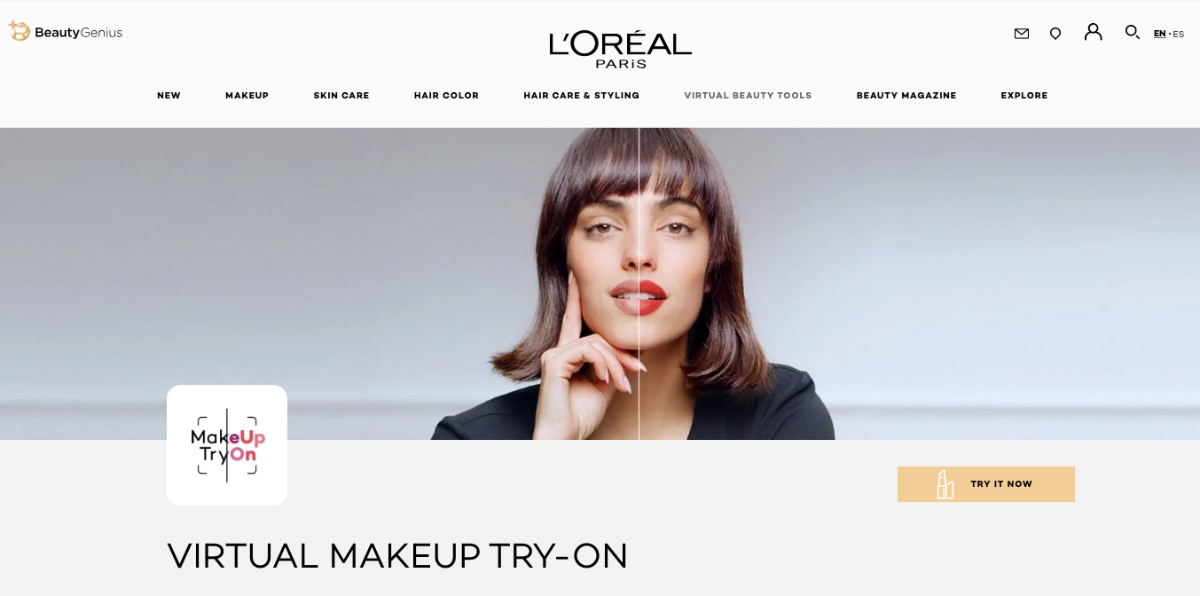
Choosing the right makeup online can be tricky, but L’Oréal’s AR tool solves that. With just your phone camera, you can try on lipstick, foundation, and more in real time.
This Augmented Reality experience helps you see exactly how shades look on your face—no guesswork, no regrets. It builds confidence and makes online beauty shopping feel personal.
If you’re in the beauty industry, this kind of interactive experience can turn curious visitors into loyal buyers who trust your brand.
3. Fashion – Nike Virtual Try-On

Nike’s Virtual Try-On lets you see how sneakers look on your feet using just your smartphone camera. It’s fast, fun, and feels like trying on shoes in a real store—without leaving home.
You simply point your camera, pick a pair, and the app shows the shoes on your feet in real time. It removes hesitation and makes the buying decision easier.
If you’re in fashion, this kind of Augmented Reality experience keeps your customers engaged and reduces returns by helping them choose the right style the first time
4. Automotive – Porsche AR Visualizer
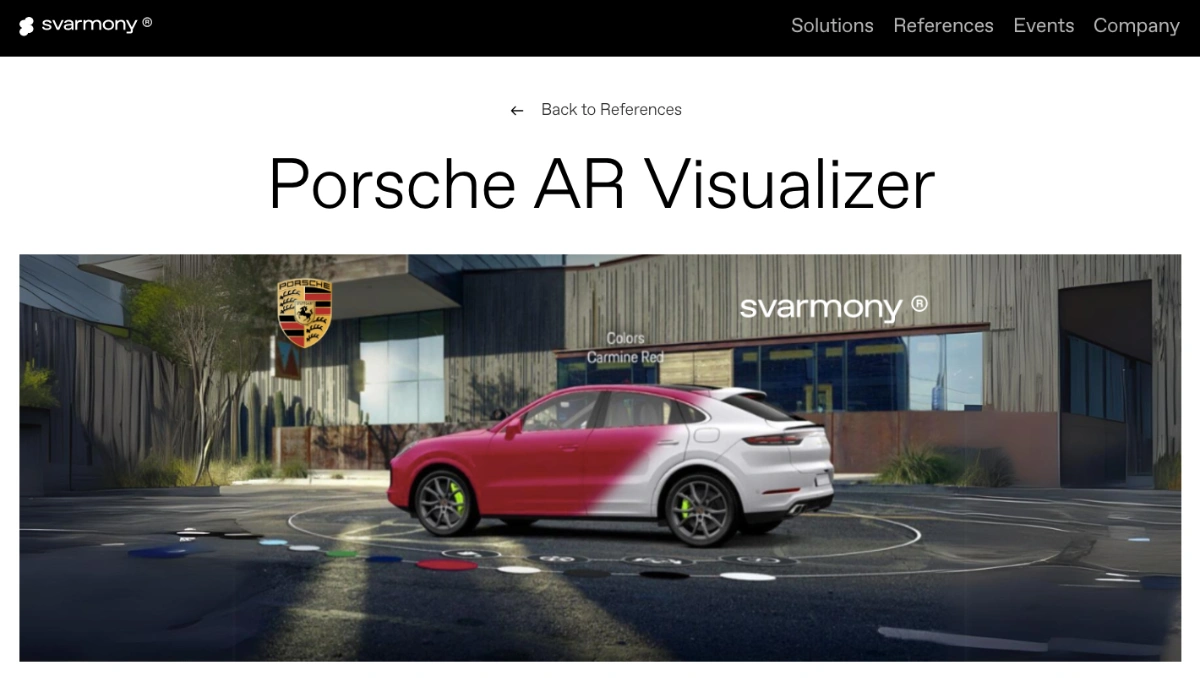
Porsche’s AR Visualizer lets you place a full-size, 3D model of your dream car right in your driveway or garage using your phone. It’s like having a luxury showroom wherever you are.
You can explore the car’s design, change colors, and view every angle in real time. This makes the buying experience feel personal and exciting, before even visiting a dealer.
If you’re in the automotive industry, offering this kind of AR experience helps customers explore high-ticket items with confidence and builds strong brand interest early in the journey.
5. Healthcare – AccuVein
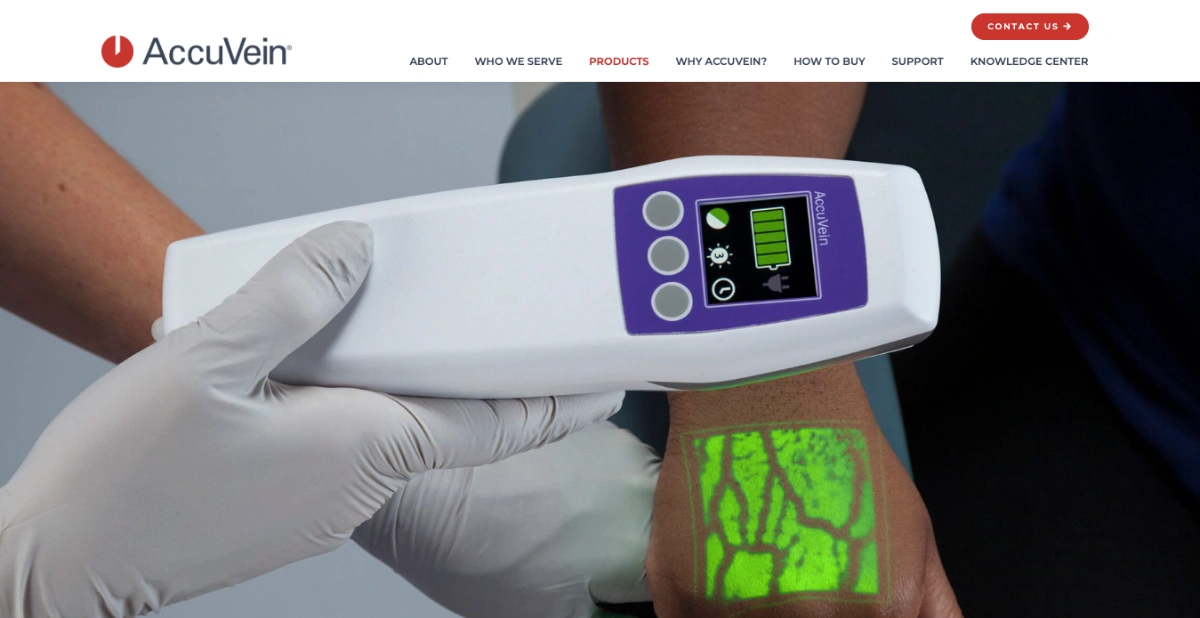
AccuVein uses augmented reality to project a visual map of veins directly onto a patient’s skin. This helps medical professionals locate veins faster and with greater accuracy.
For example, during blood draws or IV insertions, the AR overlay guides where to insert the needle, reducing pain, stress, and failed attempts for patients.
If you work in healthcare, tools like AccuVein show how AR can improve patient care, boost efficiency, and reduce human error in everyday procedures.
- You can also check out virtual reality in healthcare
6. Education – Google Expeditions
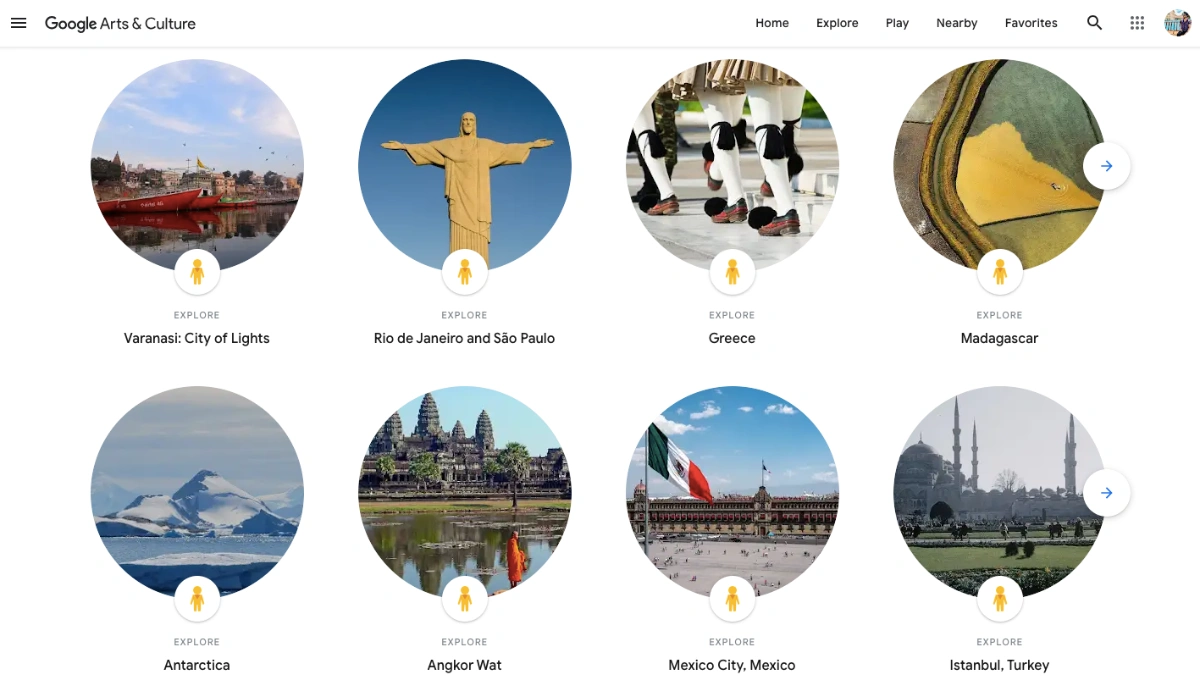
Google Expeditions brought classrooms to life by turning smartphones into AR windows for learning. Students could explore 3D models, environments, and even historical sites in their own classroom.
For example, instead of reading about ancient Rome, learners could walk through a virtual Colosseum and interact with monuments, all using mobile AR.
If you’re in education, this kind of immersive experience can boost student engagement and help learners understand complex topics faster and more effectively.
- If you want to learn about virtual reality in education, you can follow this guide
7. Real Estate – Akular
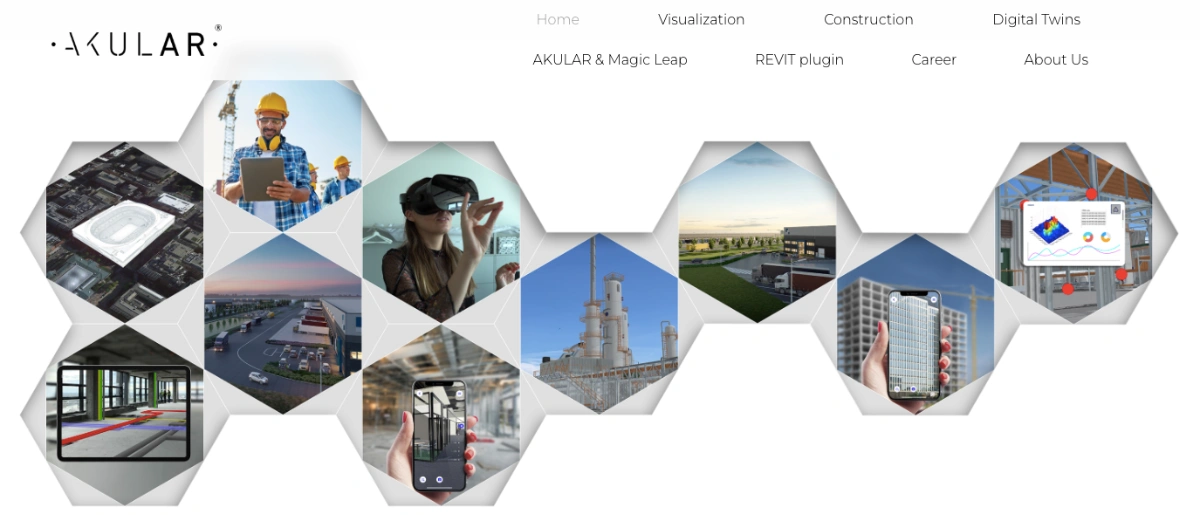
Akular uses AR to let potential buyers view properties in full 3D right from their phones or tablets. It overlays virtual buildings and interiors onto the real-world space.
For example, a client can stand on an empty lot and see how a future house would look—complete with furniture, layout, and finishes—before it’s even built.
If you’re in real estate, this kind of AR experience builds trust, speeds up decision-making, and reduces the guesswork for your buyers.
- If you want to know about how real estate virtual tours work, read this guide: How to Create A Virtual Tour For Real Estate to Increase Property Sales
8. Gaming – Pokémon GO
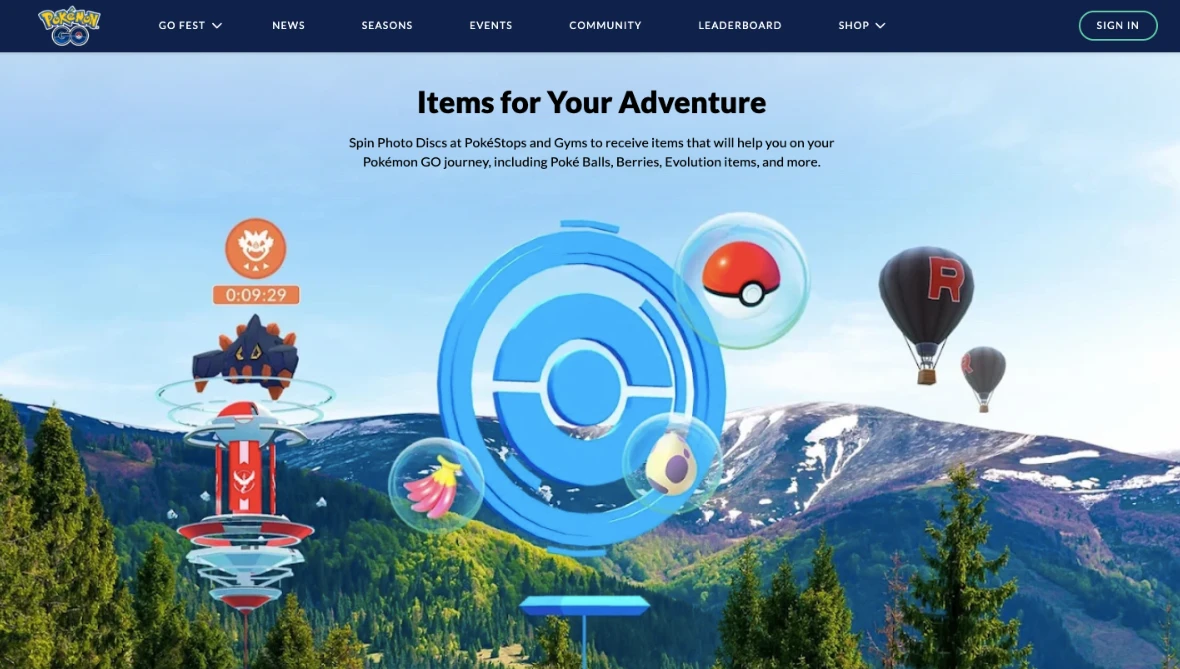
Pokémon GO is one of the most popular AR examples that blends the virtual world with your real environment. It places digital characters into real-world settings using your smartphone’s camera and GPS.
For example, you might be walking through your neighborhood and suddenly spot a Pikachu “sitting” on a park bench—that’s AR in action, making the experience fun and interactive.
If you’re in gaming or app development, this shows how AR can turn everyday life into an exciting, engaging adventure that keeps users coming back.
9. Interior Design – Houzz AR Tool
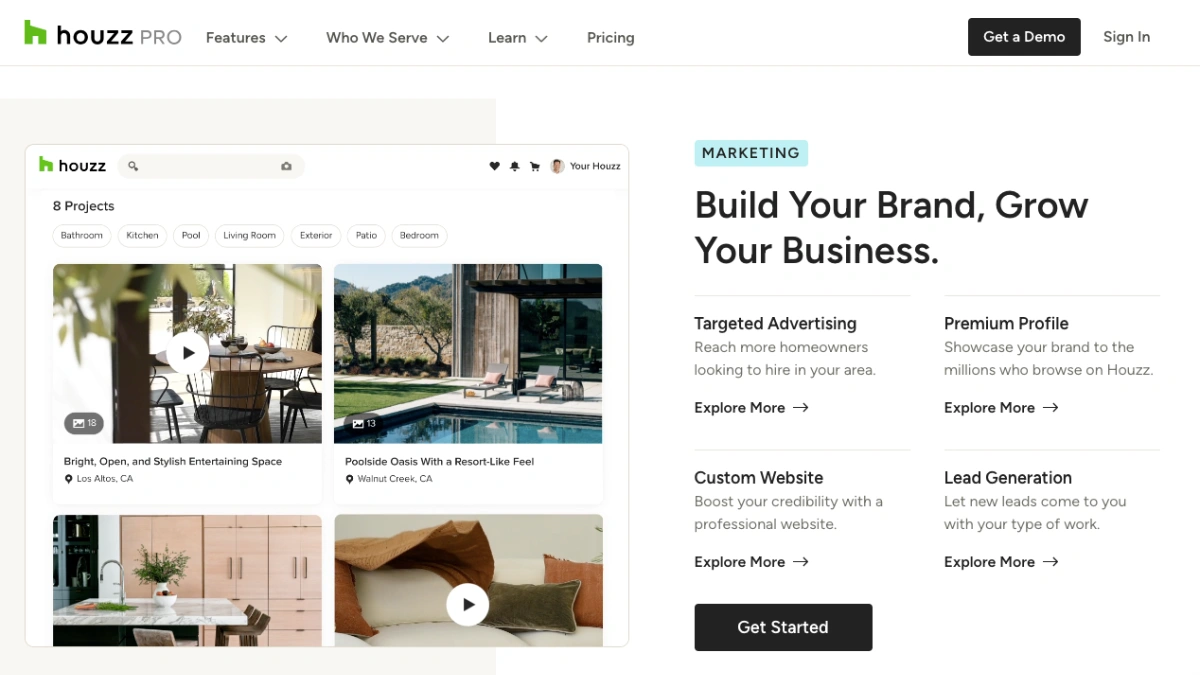
Houzz’s AR tool lets you see how furniture and decor will look in your own home before you buy. You simply point your phone at a room, and the app places 3D models of products in real time.
For example, you can try out a new sofa or a lamp in your living room without moving a thing. This helps you make confident choices and avoid returns.
If you’re in interior design or retail, this tool shows how AR improves customer experience by blending virtual product viewers with real spaces.
- You can also watch out for virtual reality in architecture
10. Manufacturing – Boeing AR instructions
Boeing uses AR to provide technicians with step-by-step 3D repair instructions right where they work. This hands-free guidance helps reduce errors and speeds up complex tasks.
For instance, a technician fixing an aircraft engine can see exactly where each part goes without flipping through manuals. This improves accuracy and saves valuable time.
If you’re in manufacturing, using Augmented Reality like this can enhance worker efficiency and reduce costly mistakes by overlaying virtual information on real equipment.
11. Tourism – TimeLooper
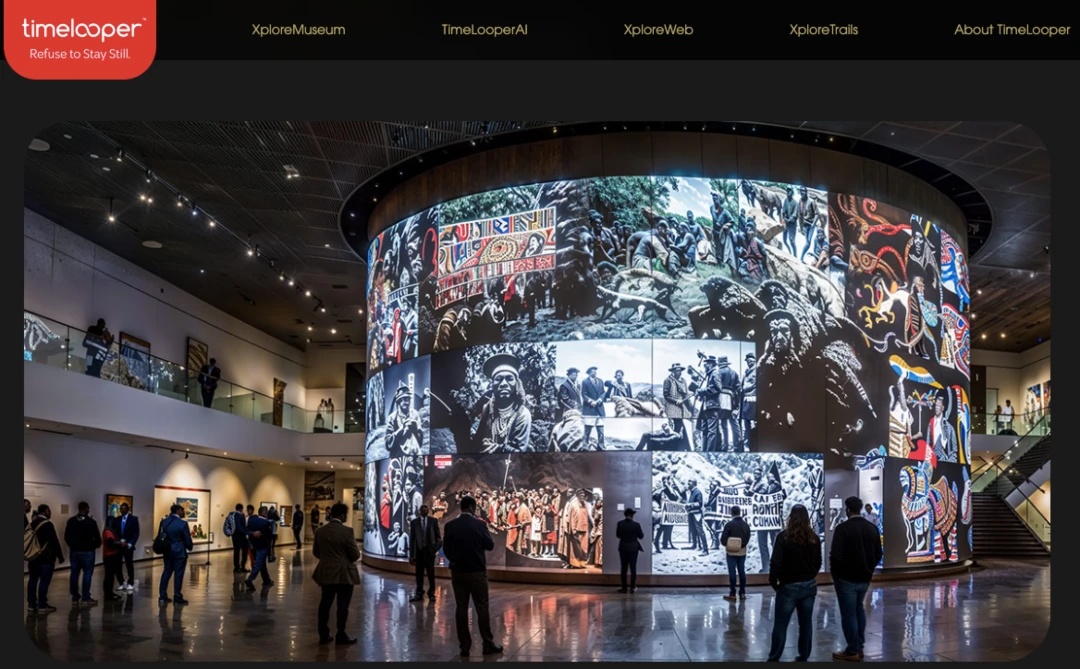
AR city guides like TimeLooper let travelers explore historical sites with interactive AR experiences. You can see famous landmarks come to life with virtual stories and events.
For example, while visiting an ancient ruin, your phone shows how it looked centuries ago, making your trip more engaging and educational. This boosts visitor satisfaction and interest.
If you work in tourism, AR guides can create memorable experiences for your customers by blending virtual information with the physical world.
- Learn more about virtual reality in tourism with more details
12. Events – Coachella AR Filters
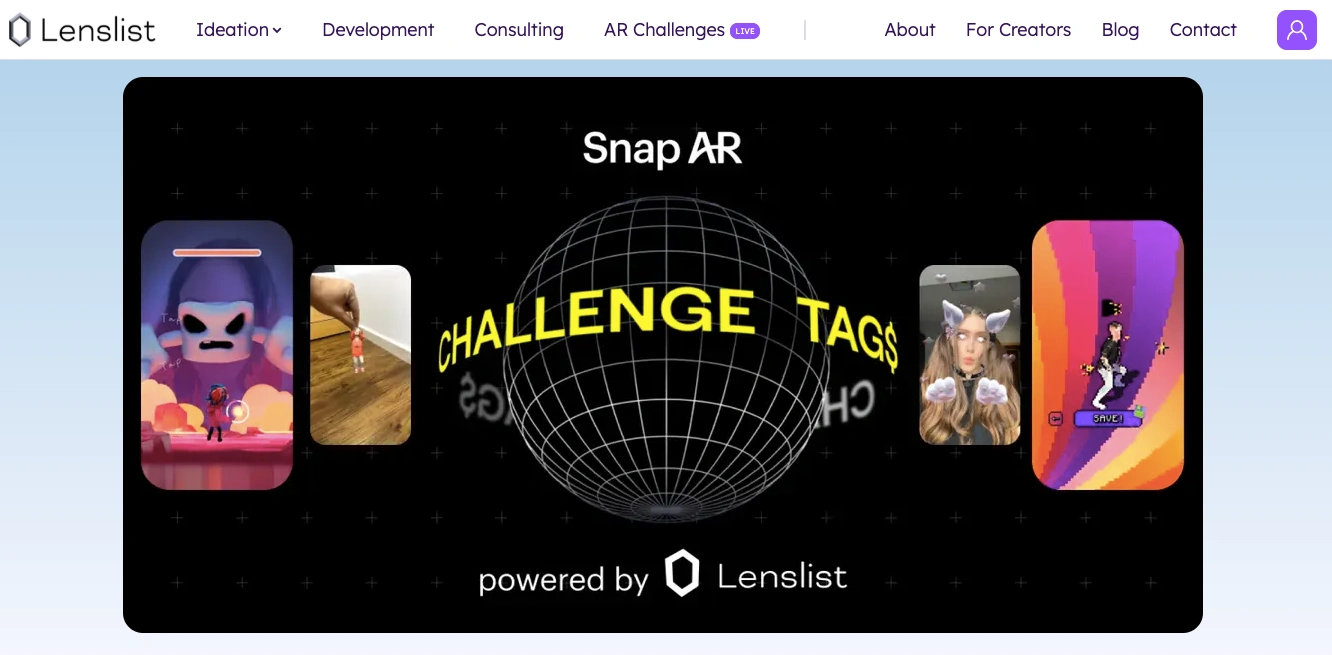
At events like Coachella, AR filters add a fun, interactive layer to the experience. You can use your phone to apply virtual effects and animations during live performances.
For example, festival-goers can take selfies with AR masks or see animated visuals on stage through their devices, making the event more engaging and shareable.
If you’re organizing events, using AR filters can boost attendee interaction and create buzz, turning ordinary moments into memorable ones.
13. Marketing – Pepsi Max AR Bus Stop Ad
Pepsi Max created a viral marketing campaign using AR at bus stops. Passengers saw amazing virtual scenes like UFOs and tigers appear on the bus stop screens.
This unexpected Augmented Reality experience grabbed attention and created huge social media buzz, making the brand memorable and exciting.
If you want to market your products in a unique way, AR ads like this can help you stand out and connect with your audience creatively.
14. Construction – GAMMA AR
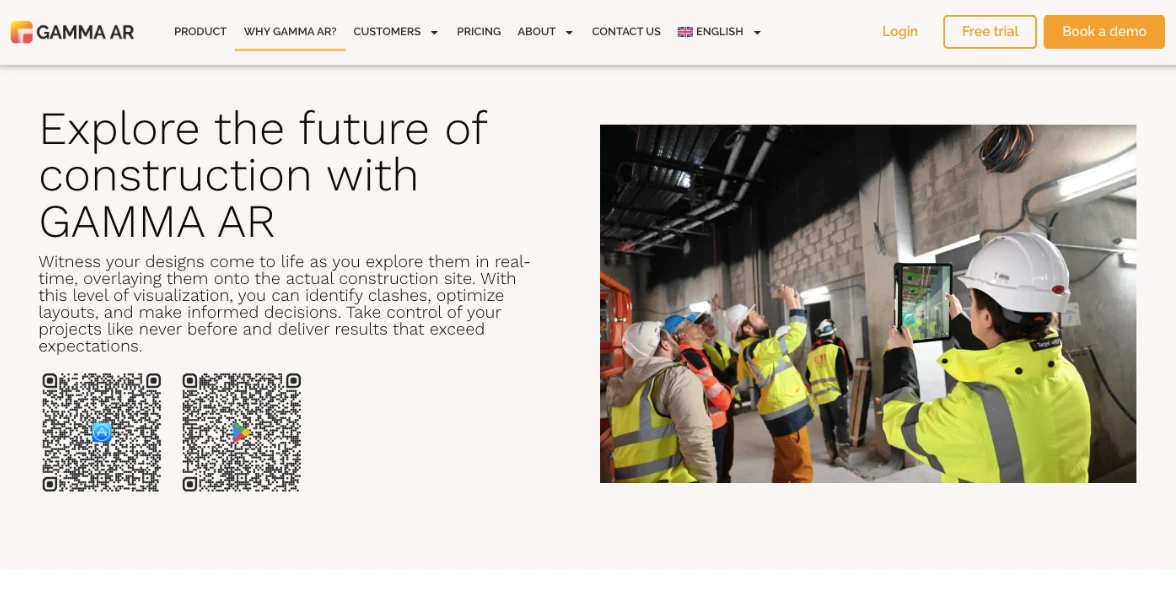
GAMMA AR helps construction teams by overlaying digital blueprints onto real-world sites using tablets or smartphones. This makes it easier to visualize building plans and spot errors early.
By using AR in construction, projects run smoother with fewer mistakes and less delay, saving time and money for everyone involved.
If you work in construction, adopting AR tools like GAMMA AR can greatly improve accuracy and efficiency on your job sites.
15. Food Industry – Kabaq
Kabaq uses AR to let customers see lifelike 3D images of dishes before ordering, making the dining experience more interactive and fun. This helps customers choose meals with confidence.
Restaurants benefit from increased order values and reduced food waste as customers know exactly what to expect. It’s a win-win for both diners and businesses.
If you’re in the food industry, using AR tools like Kabaq can boost customer curiosity and satisfaction, leading to higher sales and better dining experiences.
- You have just learned about different types of augmented reality examples. If you are interested in virtual reality examples, then you can check this guide out.
How AR and VR Work Together to Scale Your Business
You’ve seen how AR helps customers see products in their own space. VR takes it further by letting them step into a fully virtual environment. Using both together creates a complete experience that’s more than just “looking at” a product. It helps people understand it, test it, and connect with it.
Imagine someone wants to buy a new apartment. AR lets them place their furniture in the room, making sure everything fits. Then VR lets them walk through the entire unit in 360°, checking out layouts, lighting, and flow before ever visiting. They leave with confidence and clarity, which speeds up their decision.
If you want to make this kind of experience available on your website, WPVR is exactly what you need. It lets you create 360° virtual tours with hotspots, interactive features, and smooth navigation, so visitors can explore products or spaces on their own, exactly like in the example above.
FAQs
What are the three types of augmented reality?
The three types of Augmented Reality are marker-based AR, which uses a visual marker to trigger content; markerless AR, which uses GPS, sensors, or SLAM to place content; and projection-based AR, which projects digital images onto physical surfaces. Each type has specific use cases depending on interaction and environment.
What does augmented reality do?
Augmented Reality overlays digital information like images, videos, or 3D models onto the real world. It enhances your perception of reality by adding interactive content. This improves visualization, engagement, and decision-making in real time.
Is AR a type of AI?
No, AR is not a type of AI. Augmented Reality is a technology that blends digital content with the real world. AI can support AR by enabling object recognition, tracking, or personalization, but Augmented Reality itself is separate.
What are XR, VR, and AR?
AR overlays digital content on the real world. VR creates a fully immersive virtual environment. XR, or extended reality, is the umbrella term covering both AR and VR, plus mixed reality (MR).
Is VR or AR better?
Neither is strictly better. it depends on the goal. Augmented Reality enhances reality and is useful for shopping, training, or navigation. VR fully immerses users, ideal for simulations, virtual tours, or gaming.