![8 Actionable Real Estate Buyer Engagement Strategies To Get More Inquiries [2026]](https://rextheme.com/wp-content/uploads/2026/02/Real-Estate-Buyer-Engagement-feature.webp)
Real estate marketing has changed a lot in the last few years.
You can have beautiful property listings, professional photos, and even good pricing, but that doesn’t automatically bring buyer inquiries. What really moves the needle is how well you keep a potential buyer interested once they land on your page.
From what I’ve seen, many real estate websites focus too much on listing properties and not enough on guiding buyer behavior. It’s kind of like putting a house on display but not opening the door to welcome people inside. A buyer may check the property, scroll through a few photos, and leave if there is no clear reason to continue exploring or reach out.
That’s why in this guide, I’ll walk you through 8 practical real estate buyer engagement strategies you can actually apply to start getting more inquiries through calls, messages, forms, or appointment bookings.
TL;DR
You are not losing inquiries because of bad listings. You are losing them because buyers do not feel guided, confident, or ready to act. Real estate buyer engagement is about reducing friction, building trust, and making the next step clear.
Here is what this guide covers in simple terms:
- Why real estate buyer engagement directly impacts inquiry generation
- 8 practical strategies you can apply immediately — from interactive property visualization to real-time communication
- How to guide buyers instead of overwhelming them with too many listings
- Ways to add trust signals and emotional context that increase buyer confidence
- How to create simple, visible inquiry paths that convert interest into action
- Common engagement mistakes that quietly reduce your leads
- How advanced property experience tools improve buyer interaction and inquiry rates
If you improve how buyers experience your listings, you improve how often they contact you. Better engagement always leads to more qualified real estate inquiries.
Why Real Estate Buyer Engagement Matters for Inquiry Generation
Buyer engagement is what turns a simple property interest into a real inquiry. When someone lands on a property page, they are usually not ready to call or send a message right away. Instead, you are dealing with someone who is quietly comparing options, checking prices, and trying to decide if the property feels right for them.
You are basically trying to earn trust step by step. Most modern buyers browse listings without talking to anyone at first. They open multiple property pages, check photos, read descriptions, and then leave. Only when they feel confident about the property and comfortable with the process do they reach out. If your page gives them small signals that keep their attention, you are more likely to see inquiry actions later.
Improving buyer engagement means removing the small barriers that stop people from contacting you. When the browsing experience feels helpful rather than overwhelming, you naturally lower the hesitation that stops a visitor from becoming a lead.
Better buyer engagement directly influences:
- Time spent on property pages – Buyers stay longer when they find useful information and interactive elements.
- Buyer trust level – Clear presentation and helpful context make buyers feel safer about reaching out.
- Conversion from visitor to inquiry – Small interaction triggers often push interested visitors to take the next step.
- Repeat visit probability – Engaged buyers tend to return to compare properties before deciding.
- Lead quality – People who engage more are usually more serious about buying.
8 Actionable Real Estate Buyer Engagement Strategies
Now you are getting into the part where you can actually improve buyer inquiries by changing how your property pages communicate with visitors.
The ideas below focus on how you present property information, how you guide buyer attention, and how you remove hesitation before someone decides to contact you.
1. Use Interactive Property Visualization to Capture Buyer Attention
You are probably already showing property photos, but static images alone don’t always help buyers imagine living in the property. Many visitors want to feel the space before they talk to anyone or send an inquiry.
How Interactive Visualization Reduces Buyer Hesitation
Interactive property experiences let buyers explore listings on their own. When buyers feel they are learning about the property instead of being pushed to contact someone immediately, hesitation drops.
You are also giving buyers control over how they explore the property. This builds trust because buyers usually stay longer on pages where they feel the information is useful.
When someone spends more time checking property details, there is a higher chance they will eventually submit an inquiry.
Practical Scenario
If someone is searching for a 3-bedroom apartment, you can let them visually walk through the living room, bedrooms, and balcony view before showing inquiry options.
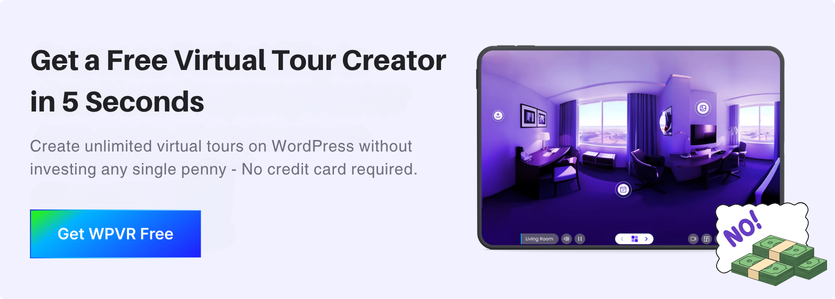
This is where immersive property presentation tools like WPVR help. They let you create virtual property experiences so buyers can explore listings without feeling rushed to contact you.
2. Add Clear Micro-Conversion Triggers Inside Property Page
Engagement is not only about large call-to-action buttons. Small interaction signals also help because they guide visitors gently toward showing interest.
Small Interaction Signals That Guide Buyers
Place micro-interaction elements inside your property listings such as:
- A Save Property option so buyers can bookmark listings
- Short prompts like “Is this property within your budget?”
- Quick interest selection buttons
- Simple reaction or preference indicators
Micro-conversions work because they allow hesitant buyers to take a very small first step instead of forcing a direct inquiry immediately.
These actions also help you understand buyer behavior patterns. Over time, you can see which property types or price ranges attract more serious interest.
Many real estate pages lose potential inquiries because they only offer one final contact button and ignore smaller engagement opportunities.
3. Showcase Neighborhood Context Along With Property Listing
Buyers are not only deciding on a property. They are also thinking about how their daily life will look after moving in.
Add Lifestyle Information Buyers Usually Ask About
Along with listing photos and price details, show neighborhood information such as:
- Nearby schools and education centers
- Transportation accessibility
- Shopping and convenience locations
- Safety indicators of the area
- Community or social facilities
These are the same questions buyers usually ask during calls or messages.
When you provide this information directly on the listing page, you reduce uncertainty before someone decides to contact you. Transparency about location benefits helps build buyer confidence.
4. Use Real-Time Communication Options for Buyer Questions
When a buyer is browsing your property listing, their interest is usually strongest at that moment. If they have to search for your contact details or wait hours for a reply, the interest often fades.
Think about this simple situation. Someone is checking a 3-bedroom apartment on your website at night. They like the layout and price but are unsure about one small thing, like parking or availability.
If you have live chat or instant messaging available, they can ask the question right away. A quick reply removes doubt before it grows.
Real-time communication works well because it helps you:
- Capture buyer interest while it is still fresh
- Remove small hesitation points before they become bigger concerns
- Reduce the chance of buyers leaving your site to check other listings
- Improve the chance of same-session inquiry
You are not just adding a chat tool. You are reducing the distance between buyer curiosity and buyer action.
5. Provide Guided Property Discovery Instead of Listing Overload
As you add more listings to your website, you may notice something interesting. Too many property choices can actually slow down decision making. Some buyers feel stuck when they see dozens of similar options and don’t know where to start.
Guide Buyers Instead of Showing Everything at Once
You can make browsing easier by offering guided discovery paths such as:
- Budget-based property filtering
- Recommendations based on family size
- Location-first search options
The idea is to help buyers feel that your website understands what they are looking for. When someone quickly finds properties that match their needs, they are more likely to send an inquiry because the decision feels simpler.
From what I’ve seen in real estate marketing behavior, visitors who reach relevant listings faster usually show stronger interest signals. Tools that help buyers narrow down choices naturally improve inquiry probability.
6. Use Trust Signals to Reduce Buyer Hesitation
You are dealing with high-value purchasing decisions, so trust plays a big role in whether someone contacts you or not.
Add Strong Credibility Indicators on Listing Pages
You can add trust elements such as:
- Client testimonials and reviews
- Success stories from previous buyers
- Property transaction history if available
- Professional certifications or agency credentials
Trust signals work quietly. They don’t push buyers directly to inquire, but they make buyers feel safer about contacting you.
Many buyers check credibility before sending a message or calling. When they see social proof on your listing page, hesitation drops because the website already feels reliable
7. Create Emotional Connection Through Property Storytelling
Buyers rarely decide only based on technical property details. They decide when they can imagine living in the space.
Look at how many listings are written today. You may see lines like “3 bedrooms” or “large balcony.” Those are useful, but they do not help buyers picture daily life.
Instead, try describing how the property supports lifestyle.
For example, instead of only saying the house has big windows, you can say the following kinds of things:
- Morning sunlight enters the living room and makes the space feel brighter during breakfast time
- The balcony view works well if someone wants a quiet place to relax in the evening
- The nearby park is suitable for short family walks or children’s outdoor play
The idea is simple. You are helping buyers visualize ownership before they contact you.
When buyers can mentally place themselves in the property, the decision to send an inquiry feels more natural. Emotional clarity often reduces hesitation and increases response actions.
8. Offer Easy Next-Step Inquiry Paths
You can attract buyer interest, but the effort is wasted if the visitor does not clearly see what to do next.
Provide Multiple Inquiry Options
Make it easy for buyers by showing several ways to connect, such as:
- Call now button
- Appointment booking option
- Direct message sending
- Short inquiry form
Different buyers prefer different communication methods. Some want to call immediately, while others prefer sending a message first.
This is where immersive property presentation helps. When you use virtual tour experiences, such as those offered by WPVR, you can keep buyers inside the property exploration environment while gently showing the next inquiry step.
Keeping visitors inside the engagement flow increases the chance that interest turns into a real lead instead of a lost opportunity.
What Are the Common Real Estate Buyer Engagement Mistakes to Avoid
You have already seen how engagement strategies can help you generate more real estate inquiries. But knowing what to do is only half the work. The other half is avoiding the small mistakes that quietly push buyers away from contacting you.
Many real estate pages fail not because the property is bad, but because the buyer experience feels unfinished. If your listing page creates confusion, hides contact paths, or overloads visitors with options, you are making it harder for interested buyers to reach out. Fixing these basic problems often improves inquiry performance faster than adding more listings.
Here are the common engagement mistakes you should avoid:
- Making property pages only information-heavy without interaction – If your page only shows photos and descriptions, visitors have no reason to stay longer or take action. Add interaction points so buyers can explore and respond.
- Using hidden or unclear contact options – If buyers need to search for the call button or inquiry form, some of them will leave instead of trying to find it. Contact options should be visible and easy to access.
- Ignoring mobile buyer behavior – Many property searches happen on phones. If your listing layout is not mobile friendly, images may load poorly and inquiry buttons may become hard to tap.
- Showing too many properties without guidance – Listing hundreds of properties without filtering or recommendation paths can overwhelm buyers. Help them start with relevant choices.
- Delaying response after inquiry interest – When someone shows interest, slow replies can push them toward other listings. Quick response signals keep buyers engaged while interest is fresh.
How Advanced Property Experience Tools Improve Buyer Engagement
As you keep improving how you present properties, technology can help you hold buyer attention a little longer. Modern buyers are used to browsing rich online experiences, and simple listings alone may not always keep them interested.
Virtual property experience systems are helpful because they let buyers stay inside the property exploration environment instead of jumping back and forth between pages. When visitors spend more time exploring a listing, they gradually move closer to taking inquiry actions such as messaging, calling, or booking a viewing. You are not forcing decisions; you are guiding interest step by step.
Interactive property presentation supports modern buyer behavior because it matches how people search today:
- Buyers want to check properties visually before contacting anyone
- Visitors prefer exploring at their own pace
- Longer engagement time often signals stronger purchase intent
- Buyers feel more confident when they can review details independently
Keeping property information interactive helps you maintain attention and makes the inquiry path feel natural rather than forced.
Conclusie
Improving real estate buyer engagement is mostly about thinking from the buyer’s perspective when they visit your website. You are not just presenting properties. You are helping people explore, understand, and feel confident enough to take the next step. When you remove friction, build trust, and give buyers simple ways to interact, inquiries naturally start to increase.
If you are planning to start somewhere, pick one strategy that improves how buyers experience your listings and one that makes inquiry action easier. A good place to begin is offering interactive property exploration using WPVR and making the next inquiry step visible on your property pages.
Better engagement leads to better buyer response. When visitors spend more time exploring and feel comfortable reaching out, your real estate inquiry rate grows over time.
FAQs
1. What is Real Estate Buyer Engagement, and why does it matter?
Real Estate Buyer Engagement refers to how actively and meaningfully buyers interact with your property listings before contacting you. The stronger the engagement, the higher the chance that silent visitors turn into serious inquiries.
2. How does communication in real estate affect buyer inquiries?
Communication in real estate shapes how confident buyers feel about reaching out. Clear property details, visible contact options, and timely responses reduce hesitation and increase inquiry rates.
3. Can you share a real estate buyer engagement example that improves conversions?
A strong real estate buyer engagement example is offering a virtual tour with a visible “Book a Visit” button inside the experience. This keeps buyers engaged while giving them an immediate and simple next step.
4. Why are communication skills for real estate agents important for online engagement?
Communication skills for real estate agents influence how well you present property information and respond to buyer interest. Clear, direct messaging builds trust and makes buyers more comfortable starting a conversation.
5. How can you measure if your Real Estate Buyer Engagement strategy is working?
You can track time spent on property pages, repeat visits, and inquiry form submissions. When Real Estate Buyer Engagement improves, you usually see longer browsing sessions and more qualified leads.