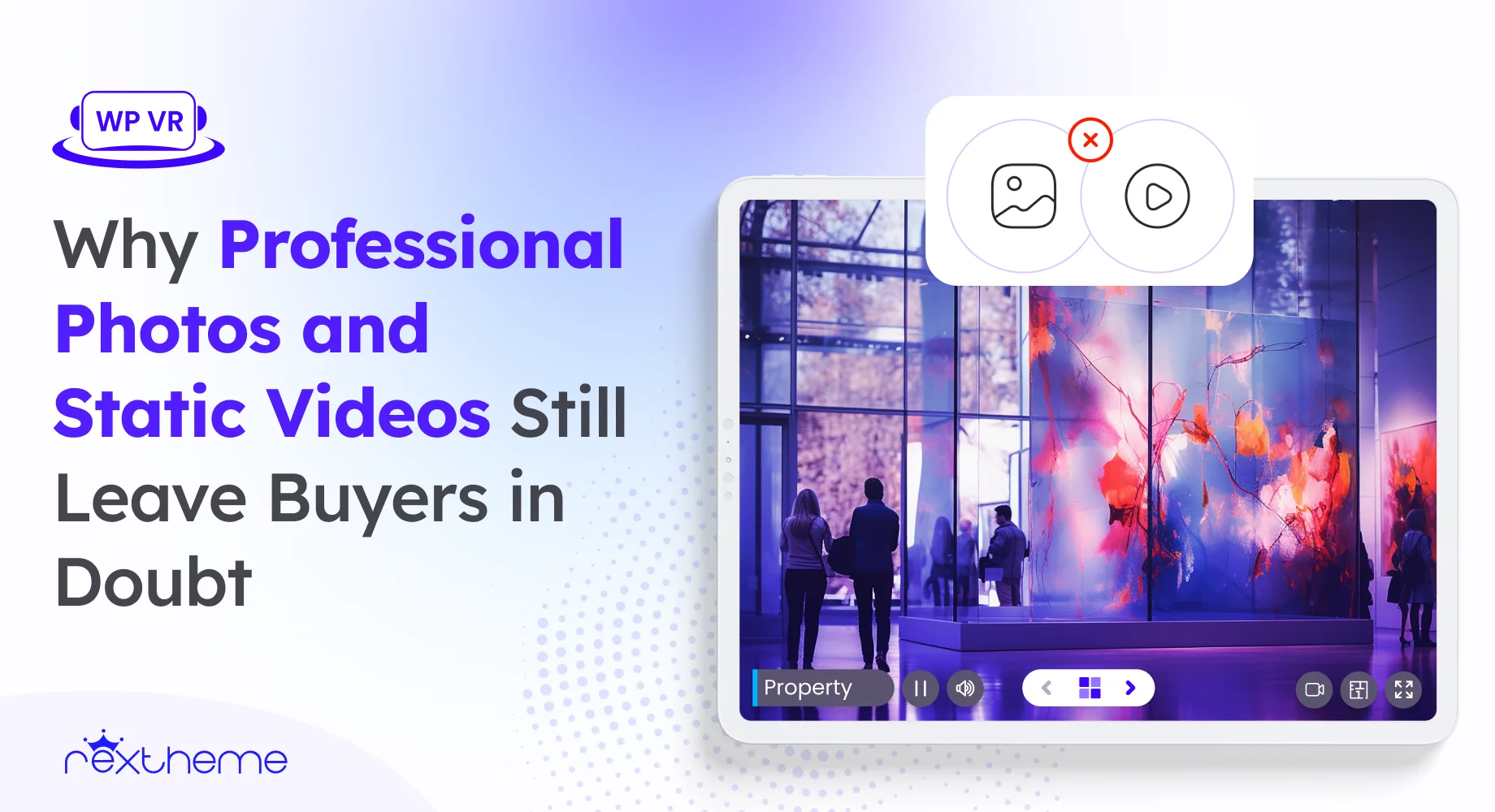
If you look at most serious property listings today, you’ll notice a clear pattern: they invest in professional photography and video walkthroughs.
At this point, it’s basically the industry standard. A listing with sharp photos and a clean walkthrough video is often considered a “proper” listing.
And, naturally, many realtors believe: “If my listing has great photos and a clear video walkthrough, buyers will feel confident about the property.”
But here’s the thing, many realtors eventually notice.
The listing gets plenty of views, people scroll through the photos, some even watch the video… yet the number of actual inquiries stays surprisingly low.
So what’s going on here?
In this article, you’ll see why professional photos and static videos still leave buyers uncertain, what doubts they silently carry while browsing listings, and what actually helps remove that hesitation before they decide to reach out.
TL;DR
- Professional photos and videos get attention, but they don’t remove buyer doubt
- Buyers still hesitate because they can’t fully understand the space, layout, or flow
- Static content makes buyers feel like they’re guessing instead of experiencing
What actually happens:
- They can’t picture living there
- They don’t feel connected
- They worry the property won’t match reality
What changes this:
- Virtual tours let buyers explore on their own
- They understand the layout, space, and usability better
- They spend more time and make more confident decisions
Result:
- Fewer doubts
- More serious inquiries
- Higher chance of closing
Next step:
Start testing virtual tours and focus on making them engaging enough to keep buyers exploring
“Static” Keeps Buyers Guessing. It’s No Longer Enough To Hook Buyers
So if the listing already has good photos and a proper video walkthrough, why does hesitation still happen?
The problem usually isn’t the quality of the visuals. In many cases, the photos look great. The lighting is right, the rooms are staged well, and the property appears polished.
The real issue is how buyers experience the property online.
When someone lands on your listing page, they are trying to understand the home from a few images on a screen. And even when those images are professionally taken, they still leave several important gaps.
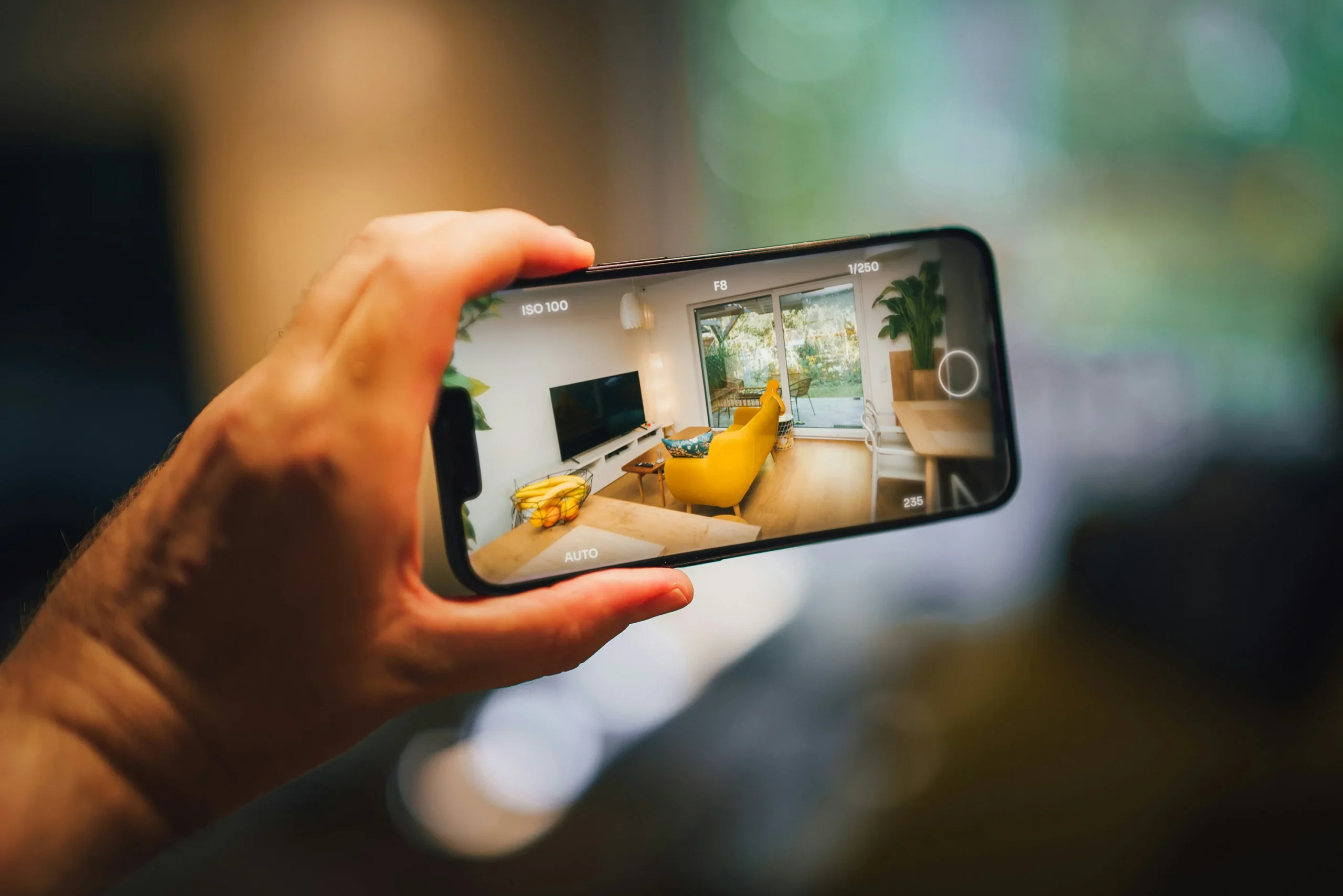
While browsing the photos, a buyer is often thinking things like:
- How big is this room actually?
- What’s outside the frame?
- How does this space connect to the rest of the home?
- Is the layout as good as it looks?
- Is it easy to move from room to room according to my comfort?
Photos can show what a space looks like, but they rarely explain how the home actually works.
A few years ago, that level of information was usually enough. Buyers mainly relied on listing photos to decide whether a property was worth visiting.
But today, expectations are different.
When you’re searching for a home online, you’re not just looking for something that looks good. You’re trying to understand whether the space actually fits your lifestyle. And when that understanding isn’t clear, uncertainty naturally shows up.
This is why photos are great at helping buyers notice a property, but they don’t always make them feel confident about it.
So instead of reaching out, many buyers simply move on and start browsing the next listing.
What About Video Tours? Don’t They Engage Buyers? Not Quite…
After photos, your next thought is probably a video tour. It seems like a natural step—after all, videos show movement, a walkthrough, and give a better sense of the space.
And yes, a video is definitely better than static photos. It adds context, shows the flow of the rooms, and keeps buyers engaged a bit longer.
But there are still some key limitations.
In a typical video tour, you control everything. You decide the camera angles, the path through the house, and how long viewers spend in each room. That means buyers don’t get to explore in a way that fits their needs.
They can’t look from different angles, revisit certain spots, or focus on areas that matter most to them. Essentially, they’re just watching someone else explore the home.
Because of that, doubts remain. Buyers still can’t fully picture living there, still wonder about the layout, and still hesitate to take the next step.
Even with a video, the property doesn’t feel entirely clear to them, and confidence is still missing.
In Most Cases, It’s A Psychological Rejection From Buyers (Not Rejection Of The Property)
So here’s what I’ve seen over the years. You can have a listing with professional photos, a polished video walkthrough, the works—but buyers can still hesitate. And it’s not because the property is bad. Most of the time, it’s how they experience it online.
There are three big reasons this happens, and each one builds on the other. Let’s start with the most obvious one.
1. They Struggle To Picture Themselves Living There
This is the classic problem. A buyer looks at your photos and video and thinks, “Okay, I see the rooms, but… can I actually live here?”
Without a clear sense of layout, or how the space flows, it’s hard for them to picture everyday life. They can’t easily imagine:
- where their furniture would go
- how the rooms connect
- what morning or evening routines would feel like in the space
And when they can’t picture that, the property stops being real to them. It doesn’t matter how nice it looks on screen—they just see another listing and move on.
2. They Don’t Feel Emotionally Connected
When buyers can’t see themselves in the space, they rarely feel anything for it. And let’s be honest, people buy with emotions just as much as logic.
Static photos or a guided video don’t do much to create that emotional connection. Most of the time, buyers just scroll, watch the walkthrough, and move on. The feeling of actually living there is left completely up to their imagination. No connection forms, and without it, the property doesn’t stick.
3. They Fear It Won’t Match Expectations
The final piece is trust. Even if they like what they see, buyers are thinking ahead: “Will this match reality?”
They worry:
- The rooms might feel smaller in person
- The layout might feel awkward
- The house might look very different from the listing
And these doubts are powerful. They don’t reject the property because it’s bad, they hesitate because they aren’t confident it will meet their expectations.
How To Get Past The Industry Norm? What Could Be Done Differently
Here’s the reality. In 2026, buyers don’t stick around for long. Static photos or a simple video walkthrough will get you:
- Lots of views
- A handful of casual inquiries
- Some interest that never really goes anywhere
But most buyers move on or show up and decide it’s not for them.
If you want to turn that attention into real leads, you need to give buyers more control and clarity. That’s where virtual tours with interactive features come in.
Why this works:
- Buyers explore the property at their own pace
- They can check every angle, every corner
- They finally see how the layout actually works for them
It shifts the experience from just looking at a listing to actually understanding the home.
And this approach already proves itself. Platforms like Zillow saw a clear increase in engagement and inquiries when 360° virtual tours became part of listings during COVID. Buyers spent more time, understood properties better, and came in with clearer intent.
If you’re running your listings on WordPress, tools like WPVR make it easier to add these kinds of interactive tours without a complicated setup. It lets you give buyers that hands-on experience directly on your site.
At this point, virtual tours are no longer just an extra feature. They’re becoming the standard approach if you want buyers to stay, explore, and actually take the next step.
Why Virtual Tours Work As A Better Option Here
Here’s the difference you’ll notice with a virtual tour. Instead of guessing from photos or a guided video, buyers get a real sense of the space.
Add a few interactive features—clickable info points, floor plans, or details about specific rooms—and suddenly, they start spending time exploring on their own. They’re not just watching anymore. They’re engaging.
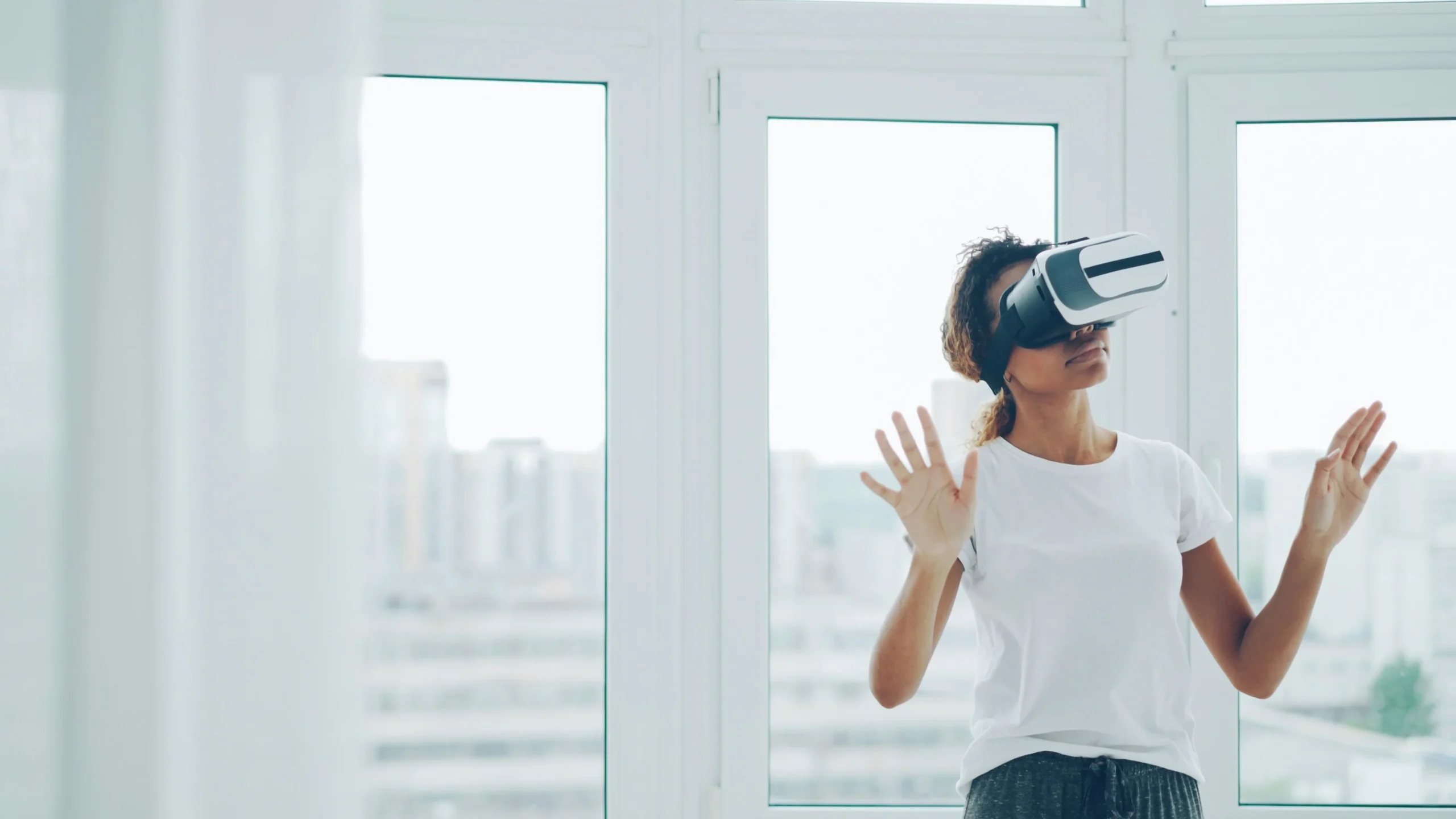
When buyers interact with the property:
- They check if the layout actually works for them
- They see how rooms connect and how space feels
- They focus on the areas that matter most to their lifestyle
That extra time and control make a big difference. They stop doubting and start evaluating seriously. By the time they schedule a visit, they’re already confident about the home. That means more qualified inquiries and a higher chance of closing the sale.
Virtual tours don’t just make your listings look better—they make buyers feel confident before they ever step foot inside. That’s why top realtors are using them now.
Here’s What You Should Do Next Step
Now that you see how much of a difference virtual tours make, it’s time to test them for your own listings. Start small if you want—pick one or two properties and add a virtual tour with interactive features.
Spend a bit of time observing how buyers interact with it. You’ll notice they explore more, pay attention to layout, and get a better sense of the space before contacting you.
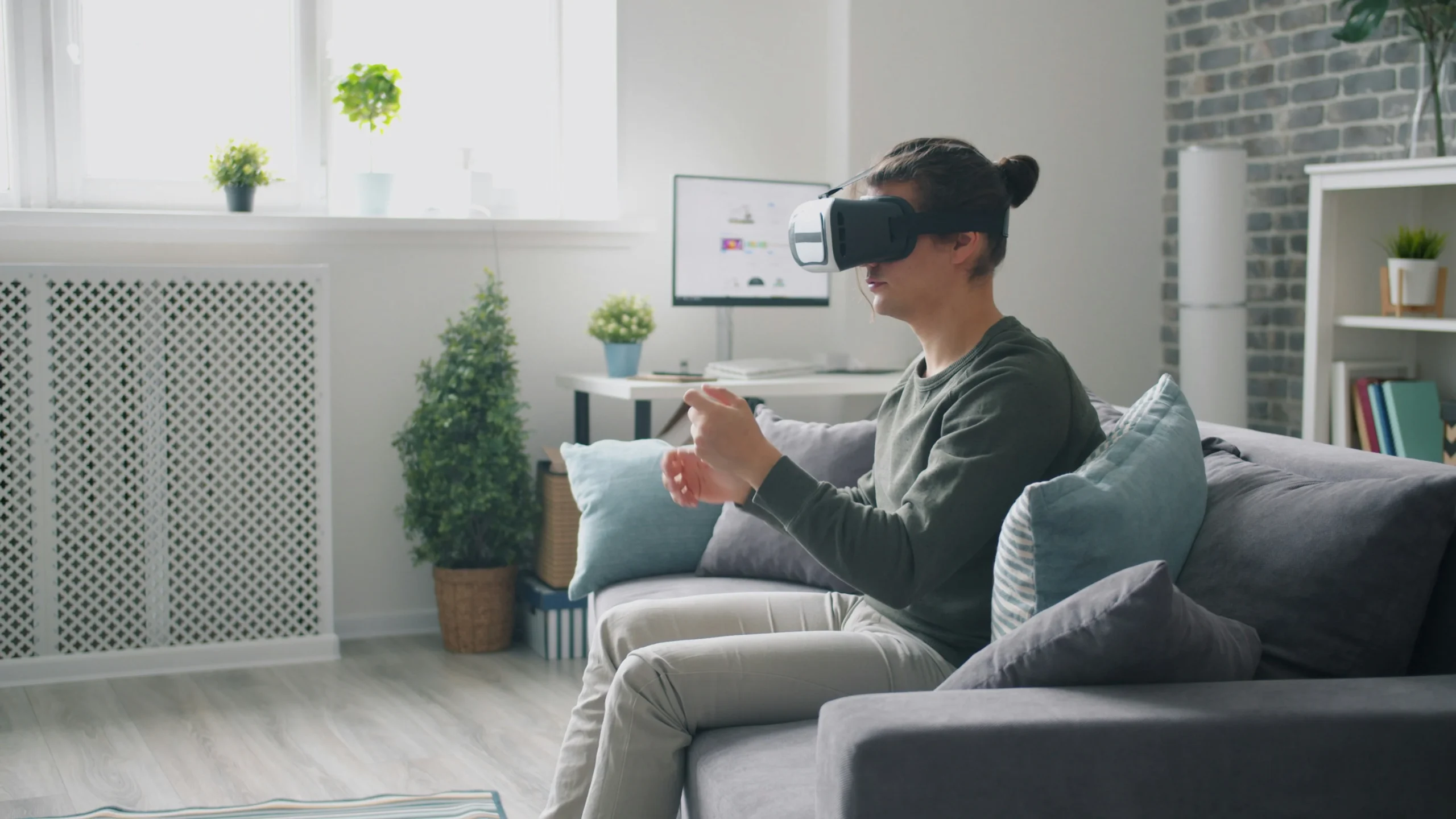
If you want to set it up yourself, there’s a helpful guide that walks you through creating virtual tours on your own. Following it will let you start giving buyers that clearer, hands-on experience right away.
Taking this step isn’t just about showing the property—it’s about helping buyers feel confident and interested before they ever schedule a visit.
How To Ensure The Virtual Tour Is Engaging Enough
Adding a virtual tour is just the first step. To really get results, you need to make sure buyers stay interested while exploring. If they leave halfway or just skim through, you lose the advantage you worked to create.
Focus on engagement hooks—small interactive elements that make buyers pause, click, or explore deeper. It could be info hotspots, floor plan details, or callouts about key features. These little touches guide buyers to understand the property better and spend more time on your listing.
While you’re testing virtual tours, pay attention to how people interact and think about ways to keep them engaged. This is where you turn casual visitors into serious leads.
To take this further, check out the next article: “Engagement is Not a ‘Nice-to-Have’ — It’s Your Only Automated Lead Filter”. It explains exactly how to make engagement the key driver of your virtual tours so buyers stick around and act.