![How to Activate Impulse Purchase in Your Store – 10 Easy Steps [2026]](https://rextheme.com/wp-content/uploads/2025/09/How-to-impulse-purhcase.webp)
I guess you, too, have seen this often—someone lands on a page just to look around, and within minutes, they’ve added something to the cart they didn’t even plan to buy.
And most of the time, it’s not because of luck or a perfect ad campaign. It’s usually something as simple as a discount that hits at the right time, a product that feels too good to pass up, or a message that sparks a little curiosity and leads customers to an impulse purchase.
According to recent data, 72% online shoppers have made an impulse purchase because of a discount they came across.
And this says a lot about how emotion shapes buying decisions.
But here’s what many stores get wrong: they focus only on showing offers, not on the why behind what makes someone click “buy now.”
In this guide, I’ll walk you through the 10 stages of an impulse purchase, with clear examples and practical ways you can apply them to your own store.
TL;DR – How to Activate Impulse Purchase in eCommerce [2025]
An impulse purchase happens when a customer buys something suddenly without planning, usually driven by emotion rather than logic.
This blog covers:
- What an impulse purchase is – A clear definition and a real scenario example, so you understand how it happens.
- Why impulse purchases work in eCommerce – The main factors that make online stores perfect for quick buying decisions.
- 10 Steps to Activate Impulse Purchases in Your Store – Practical, actionable steps using relatable examples, including:
- Attract visitors with high-interest products
- Keep them engaged with visuals and copy
- Watch for micro-intent signals
- Trigger time-limited pop-up offers
- Add scarcity signals on product pages
- Offer cart-based upsells or add-ons
- Show free shipping threshold progress
- Trigger surprise checkout discounts
- Display trust signals and reviews before payment
- Confirm the purchase with a feel-good message
- How plugins like Dynamic Discount, WPFunnels, Nudgify, and Checkoutify can help automate and scale these tactics.
Now let’s get into the details.
What is an Impulse Purchase & How Does It Work?
So, let’s make this clear from the start.
An impulse purchase is when someone buys something suddenly without planning to. It’s a quick decision made on emotion, not because they need the product, but because something about it feels right in the moment.
Let’s say you’re browsing online for a phone cover. Nothing fancy, just looking. Then, halfway down the page, a popup slides in: “Flash Deal: Wireless earbuds — 40% off for the next 15 minutes.”
You weren’t even thinking about earbuds. But the image looks clean, the reviews are solid, and that discount timer starts ticking. You picture yourself using them during your commute or while working out. Within minutes, you’ve added them to the cart and checked out.
That’s an impulse purchase.
You didn’t need much convincing; the timing, offer, and emotion worked together to make the decision feel easy.
Now, here’s how it works.
Impulse buying starts the moment you grab someone’s attention. Maybe it’s a
- bold image,
- a quick deal,
- or a social proof message like “15 people bought this in the last hour.”
These small triggers activate emotion — curiosity, excitement, or the fear of missing out.
When that emotion kicks in, the brain looks for a quick reward. That’s why time-limited offers or small discounts work so well. They create urgency and make you feel like you’re getting a win right now.
Then comes convenience. If the checkout process is simple and the offer feels safe, the decision happens fast. The buyer clicks “Buy Now” before they have time to overthink it.
That’s the full picture of impulse purchasing: attention, emotion, and action — all happening within minutes.
Why Impulse Purchase Works in eCommerce
Now that you understand what an impulse purchase is and how it happens, it’s easier to see why it’s so effective in online stores. In eCommerce, the environment is already set up to make quick buying decisions easier than ever.

Here’s why impulse purchases work so well for your business.
i. Instant Access and Convenience
Online shopping lets your customers buy anytime, anywhere. There’s no need to drive to a store or wait in line. That ease makes it simple for someone to act on a sudden desire, whether it’s while they’re on a lunch break or scrolling on their phone before bed.
ii. Visual Appeal Drives Decisions
High-quality images and clear product layouts catch attention fast. When a product looks desirable, people make quick emotional decisions. For example, showing a sleek gadget from multiple angles or highlighting key features in a single image can make someone want it before they even read reviews.
iii. Limited-Time Offers Trigger Action
Deals with deadlines or low stock numbers create urgency. If a customer sees “Only 3 left” or “Sale ends in 2 hours,” it nudges them to decide quickly. The fear of missing out pushes casual browsers to act instead of thinking it over for days.
iv. Relevant Product Suggestions
Showing products that match what a customer is already browsing increases the chance of impulse buys. Suggesting a wireless charger next to a smartphone, or a laptop sleeve alongside a new laptop, feels helpful rather than pushy and makes it easy for them to add more items to their cart.
v. Fast and Simple Checkout
Even if someone wants a product, a complicated checkout can kill the impulse. A short, clear checkout process with minimal steps keeps the buying momentum going. The easier it is to complete the purchase, the more likely they are to follow through immediately.
Each of these elements works together to make impulse purchases not just possible, but frequent in online stores. They take advantage of attention, emotion, and convenience —all in a way that fits naturally into the shopping experience.
What is the 7 Impulse Purchase cycle?
Now, I’m going to walk you through the 7 impulse purchase stages and share with example below:
- Trigger: This is the first stage of an impulse purchase. It happens when something instantly grabs the customer’s attention, like a pop-up or an eye-catching product display. For example, imagine someone is casually browsing your store and suddenly sees a bold banner for earbuds with glowing reviews. That visual trigger stops them mid-scroll and gets them curious.
- Interest: Once their attention is caught, the customer starts to feel interested in the product. Maybe they notice the earbuds have a sleek design, noise cancellation, or are trending. At this point, their emotional state begins to shift, even though they had no plan to buy, they start thinking about it.
- Desire: The customer now starts imagining how the earbuds will fit into their life, listening to music during workouts or calls on the go. When you combine that with a limited-time offer or discount, their emotional connection gets stronger, and they feel like they need it now.
- Urgency: Now you can set countdown timers or tags like “Only 3 left!” — those are classic urgency tactics. These triggers make the customer worry that they’ll miss out if they don’t act fast. That fear of missing out (FOMO) is a strong motivator, especially when the deal looks too good to pass.
- Decision: At this stage, the customer makes a quick decision to buy, often without deep thinking. The environment you’ve created, their emotional excitement, and your strategic setup lead them to take action. This is where the definition of impulse buying turns into a real choice to purchase.
- Action: After that, they add the earbuds to the cart and proceed to checkout. If your checkout process is fast and easy, it removes doubts or second thoughts. That’s how you keep the buying momentum strong and improve customer satisfaction right at the point of sale.
- Satisfaction: Finally, after completing the purchase, the customer feels good. They believe they made a smart choice, got a great product, and enjoyed a smooth experience. This positive emotion is what leads to repeat buying behavior and builds long-term brand loyalty with your store.
How to Activate Impulse Purchases in Your eCommerce Store
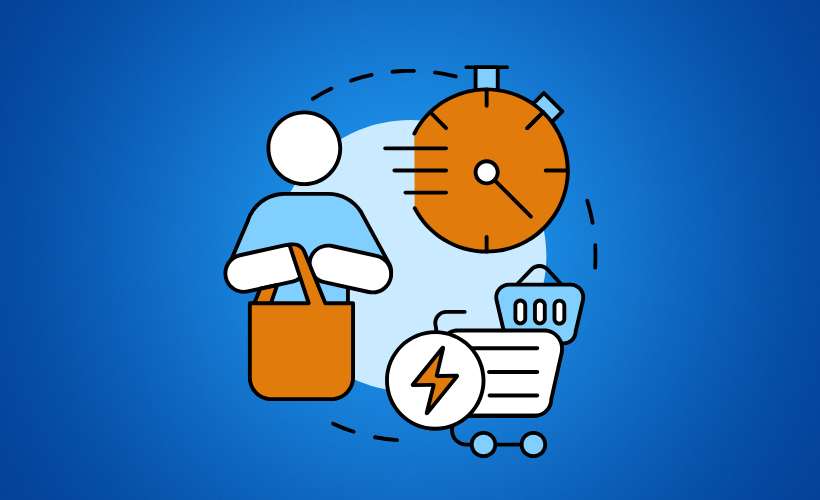
Now, I’m going to walk you through a simple, step-by-step process to activate impulse purchases in your eCommerce store and boost your sales effectively.
Let’s say you have a gadget eCommerce platform. Now I will explain all 10 steps according to your industry so that you can relate to all things & implement them in your actual industry.
Step 1: Attract with a High-Interest Product
Attract your customer’s attention with a gadget they didn’t plan to buy but would love. It could be the latest wireless headphones that offer great sound and style.
For example, someone browsing phone accessories might notice your new wireless headphones featured on the homepage. Their sleek design and popular brand make the customer stop and take a closer look.
This unexpected catch sparks curiosity and starts the impulse buying process, turning casual visitors into buyers.
Step 2: Engage with Visual Appeal & Copy
Once you’ve caught their attention with a high-interest product, keep them engaged with stunning visuals and clear, benefit-focused copy. Show your wireless headphones in action with bright images that highlight comfort and sound quality.
For example, use close-up shots of the headphones being worn during workouts or commuting, paired with simple text like “Experience crystal-clear sound wherever you go.” This helps customers imagine themselves enjoying the product.
Strong visuals and copy build desire and make it easier for customers to take the next step, moving them closer to an impulse purchase.
Step 3: Wait for MicroIntent (e.g., 20–30 seconds)
After engaging your visitor with visuals and copy, give them a moment—about 20 to 30 seconds—to show interest. This pause lets you see if they’re truly curious or ready to take action.
For example, if a customer scrolls through your wireless headphones’ images, clicks on details, or hovers over the “Add to Cart” button, it signals growing interest.
Waiting for these small actions helps you time your offers perfectly and boosts the chance of an impulse purchase.
Step 4: Trigger a Time-Limited Pop-Up Offer
Once you notice a customer’s interest, trigger a time-limited pop-up in the product page to create urgency and encourage action. This helps push them from thinking to buying quickly.
For example, you might show a pop-up saying, “Get 10% off wireless headphones—only for the next 10 minutes!” This taps into their fear of missing out and makes the offer feel special.
These timely pop-ups keep the impulse buying cycle moving, turning curiosity into fast purchases and boosting your sales.
Step 5: Add Scarcity on the Page
Adding scarcity on your product page creates urgency and encourages customers to act fast. Simple messages like “Only 3 left in stock” make shoppers feel they might miss out.
For example, if you show “Hot seller – 15 sold today” next to your wireless headphones, it signals popularity and limited availability. This taps into FOMO and boosts impulse buying.
Using scarcity this way makes customers more likely to decide quickly, turning interest into a purchase before the product runs out.
Step 6: Offer a Cart-Based Upsell or Add-On
After a customer adds a product to their cart, offer a related add-on to increase the order value. This makes it easy for them to buy more without extra effort.
For example, when someone adds wireless headphones, suggest a protective carrying case with a one-click add option. This simple offer feels like a helpful recommendation, not a hard sell.
Cart-based upsells like this boost sales by giving customers a quick way to enhance their purchase without interrupting their buying flow.

Step 7: Show Free Shipping Threshold Progress

Showing customers how close they are to free shipping encourages them to add more items. This motivates shoppers to increase their cart value without hesitation.
For example, a message like “You’re $8 away from free shipping” on the wireless headphones page invites customers to explore small add-ons or accessories. It gently pushes them to spend a bit more.
This simple progress indicator makes customers feel rewarded and helps turn casual buyers into higher-value shoppers.
Step 8: Trigger a Surprise Checkout Discount
At checkout, surprise your customers with a special discount to encourage them to complete their purchase. This unexpected offer feels like a reward and keeps the momentum going.
For example, use Dynamic Discount to display a message like, “You unlocked 15% off your total order!” right before payment. It gives customers one more reason to buy now.
This final incentive helps reduce cart abandonment and turns hesitant shoppers into happy buyers quickly.
Step 9: Show Trust & Reviews Before Payment
Before customers complete their purchase, build their trust by showing real reviews and trust badges. This reassures them that their order is safe and reliable.
For example, display customer ratings and badges like “Secure Checkout” or “Money-Back Guarantee” on the payment page. These signals ease worries and reduce hesitation.
Providing trust and social proof at this stage increases customer satisfaction and helps turn impulse interest into a confident purchase.
Step 10: Confirm with a Feel-Good Message
After a customer completes their purchase, reinforce their decision with a positive, feel-good message. This makes them feel happy and confident about what they bought.
For example, display a message like, “Great choice! You just saved $5 and got our best-seller. Your order is being packed!” to celebrate their purchase.
This confirmation builds customer satisfaction and encourages repeat impulse buys by leaving a lasting positive impression.
Which Tools are Helpful to Activate Impulse Purchases
To make things easier for you, I’ve listed some of the best tools that can help you activate impulse purchases at just the right moment in your eCommerce store.
- Dynamic Discount: This tool lets you automatically show personalized discounts based on customer actions, like scrolling, hovering, or staying too long on a product. It helps you trigger urgency right when interest is high. Perfect for converting hesitation into instant purchases.
- Checkoutify: Checkoutify allows you to show one-click upsells and cross-sells right in the checkout flow. For example, you can suggest a phone case or gift wrap before payment. This helps increase cart value without interrupting the buyer’s momentum.
- WPFunnels: WPFunnels makes it easy to design visual sales funnels with built-in upsells and conditional offers. It guides your customer step-by-step, making offers feel natural instead of forced. Great for boosting impulse buys with clear, targeted flows.
- OptinMonster / Poptin: These tools help you build popups that appear at the perfect time, like exit-intent or timed popups with countdowns. A flash deal after 20 seconds can push hesitant customers to buy now. It’s one of the easiest ways to tap into emotional impulse triggers.
- Nudgify: Nudgify shows live social proof like “5 people just bought this” or “Only 3 left!” to build urgency and trust. These alerts work silently in the background but push the emotional state toward quick decisions. Ideal for reinforcing impulse buying tendencies.
- CartHook (for Shopify): With CartHook, you can offer post-purchase upsells right after the customer checks out. For instance, show a matching item or a limited-time discount before order confirmation. It helps capture impulse buys even after the main sale is done.
Wrap Up
Impulse purchase isn’t just luck; it happens when the right trigger meets the right emotion. And if you can control that moment, you can guide more customers to say “yes” without hesitation.
From eye-catching offers to urgency-driven popups, every small detail matters. It’s all about making the experience feel natural, quick, and rewarding for your customer.
You don’t need to overwhelm your store with complex strategies. Just focus on simple steps that tap into attention, emotion, and convenience at the right time.
If you want to automate this process without guessing, I recommend trying Dynamic Discount. It’s one of the easiest ways to trigger smart, real-time discounts based on your customer’s behavior.
FAQs
1. How do stores encourage impulse buying?
Stores encourage impulse purchases by using visual triggers, time-limited discounts, and strategic product placements. For example, showing related items at checkout or offering a small pop-up discount often leads to last-minute buying decisions. These simple impulse purchase examples work because they target emotion and convenience, not long-term planning.
2. What are the 4 types of impulse buying?
There are four main types of impulse buying: pure, reminder, suggestion, and planned. A pure impulse purchase happens when someone buys something totally unplanned, like grabbing a chocolate bar at checkout. A reminder impulse purchase occurs when a shopper sees a product and remembers they need it. Suggestion and planned impulse purchases happen when a product’s appeal or a discount triggers an unexpected buy—even if it wasn’t on the list.
3. Can impulse buying work for expensive products?
Yes, but you need to use emotional stories and trust signals. Show benefits clearly and create urgency without pushing too hard. This helps avoid overspending worries and makes buying feel smart. The right moment or instance can make customers act fast.
4. Is impulse buying good or bad?
Impulse buying isn’t always bad—it depends on context. For shoppers, it can bring satisfaction or regret depending on how useful the product turns out to be. For eCommerce stores, well-timed impulse purchases often increase sales and improve customer engagement when done ethically, without misleading offers.
5. Can impulse tactics hurt my brand?
Only if they feel too pushy or fake. When you give real value and good offers, customers feel excited, not forced. Showing popular impulse buys with discounts can increase trust. Done right, impulse tactics help build loyalty and happy customers.

![Show Your WooCommerce Products on ChatGPT & OpenAI Ads with Product Feed [2026] 2](https://rextheme.com/wp-content/uploads/2026/08/Show-Your-WooCommerce-Products-on-ChatGPT-with-OpenAI-Product-Feed-1-407x213.webp)