Most realtors I talk to still believe this: the more property visits you get, the higher your chances of closing.
It sounds logical. More people walking through the door should mean more deals, right?
But when you actually look at how those visits play out, it tells a different story. You spend hours coordinating, traveling, explaining the same details… only to realize half the people weren’t even close to making a decision.
Here’s the part that usually goes unnoticed—you’re not really qualifying buyers. You’re just hoping the visit will do that for you.
And that’s where things start to break down.
Because a physical tour shouldn’t be the starting point of interest. It should be the moment where a buyer is already confident and just needs confirmation.
In this guide, you’ll see why relying on home tours to qualify leads is quietly draining your time—and what actually works if you want to attract serious buyers before they ever step in.
Before you go further, think about your last few property tours for a second. How many of them were actually worth your time?
TL;DR
- Using a home tour to qualify leads is inefficient. Most visits happen too early—before buyers are ready.
- More visits ≠ more deals. You end up spending time on casual browsers, not serious buyers.
- The real issue: You’re relying on the visit to create interest instead of confirming it.
- What works better: Qualify buyers before the visit using engagement and clear signals.
Here’s the shift that changes everything:
- From “show-to-qualify” → to “qualify-to-show”
How to do it:
- Let buyers explore the property online first
- Track engagement signals (time spent, repeat visits, interactions)
- Ask pre-qualification questions (budget, timeline, needs)
- Offer visits only to high-intent buyers
What you get:
- Fewer wasted visits
- More serious buyers
- Better conversations
- Higher chances of closing
Bottom line:
Stop using home tours to figure out who’s serious. Use them to close buyers who already are.
The Real Problem: You’re Using the Home Tour to Qualify Leads
That’s where the real issue starts to show up.
You rely on property visits to figure out who’s serious and who’s not. It feels like the easiest way to filter leads—if someone is willing to show up, they must be interested.
But that approach puts the entire burden of qualification on the visit itself. A home tour isn’t supposed to create interest. It’s supposed to confirm it.
By the time someone steps into the property, they should already know
- what they’re looking at,
- what it offers,
- and whether it fits their needs.
When that doesn’t happen, the visit turns into a first introduction instead of a final step.
And agreeing to visit doesn’t say much about intent.
- Some people are just exploring options.
- Some are early in their search.
- Others are comparing multiple properties with no clear decision yet.
So instead of validating serious buyers, your tours often become a starting point for people who aren’t ready.
When you look at it this way, those visits aren’t filtering your leads. They’re just exposing your property to everyone, regardless of how prepared or interested they actually are.
Do Not Push for Property Visits Blindly (Here’s Why)
Once you start seeing that visits aren’t really filtering your leads, the next step becomes clear.
More visits don’t mean more conversions. It usually just means more time spent with people who aren’t ready.
So, before someone steps into a property, you need to make sure a few basic things are in place.
- They should have the buying capability
- They should show real interest, not just casual curiosity
- They should have clear expectations about the property
When these are missing, the visit turns into an exploration. You end up explaining the basics, walking them through things they could’ve understood earlier, and watching them figure things out in real time.
That’s not a decision stage. That’s an early discovery stage. And when visits happen at that stage, most of them don’t go anywhere.
You Actually Lose More Than You Think If Not Done Right
When you keep pushing for visits without setting that foundation, the loss builds up in ways that aren’t always obvious at first.
You lose time.
Each visit takes hours when you include coordination, travel, and the walkthrough itself. When the lead isn’t qualified, that time doesn’t return anything.
You lose energy.
You repeat the same explanations again and again for people who aren’t fully interested. Over time, that slows you down.
You lose opportunities.
While you’re busy handling casual visitors, serious buyers are waiting. Some of them move on because they don’t get timely attention.
You also create a trust gap.
When buyers see something different from what they expected, even small differences, it affects how they see the property. That hesitation stays with them.
You see this clearly in situations where agents get a steady flow of visits but no real progress.
For example, you might have a property that gets a lot of interest online. People book visits, show up, and walk through it. But once they’re there, they start noticing things they didn’t fully understand before. The layout feels different. The space looks smaller than expected. Some features aren’t clear.
They leave saying they’ll think about it, but nothing moves forward.
The issue isn’t the property. It’s the gap between what they expected and what they experienced. And that gap exists because the visit happened too early, before the buyer was fully prepared.
Why Physical Tours Don’t Actually Qualify Buyers
Here’s the hard truth: a property tour alone doesn’t tell you if a buyer is serious. Most agents assume that showing the property automatically weeds out casual browsers—but that’s not how buyers behave.
1. Many buyers visit just to see, not to decide.
A lot of people book tours to “check it out,” compare options, or satisfy curiosity. They aren’t ready to make a commitment yet, but you end up spending your time showing them every detail.
2. Some buyers are still early in their journey.
Not everyone who schedules a visit knows exactly what they want. They might be exploring neighborhoods, budgets, or layouts. A tour at this stage doesn’t confirm intent—it only exposes them to the property.
3. Visits attract both serious and casual buyers.
A physical tour doesn’t filter leads—it mixes them. Without prior engagement or context, you can’t separate decision-makers from people just browsing.
4. Lack of preparation leads to wasted time.
When buyers haven’t done the homework—like reviewing floor plans, understanding pricing, or checking features—the visit becomes a basic introduction instead of a confirmation step. You explain what they could’ve understood online, and they leave no closer to making a decision.
5. You miss clear signals of intent.
Serious buyers show interest before visiting—they ask detailed questions, revisit the listing, or interact with property materials. Casual visitors don’t. A tour alone doesn’t give you this insight.
Put simply, without prior engagement, every visit becomes a gamble. You spend hours, and the results don’t reflect the effort. The difference between serious buyers and browsers only shows up when you qualify them before they step in.
The Smarter Approach: Qualify Before the Visit, Not During It
Once you realize that tours alone don’t filter serious buyers, the next step is to flip the process.
Instead of using a property visit to figure out who’s serious, start qualifying buyers before they even step in. Shift from “show-to-qualify” to “qualify-to-show.”
This simple change transforms how you spend your time:
- Fewer visits – you only meet buyers who are ready to move forward
- Higher intent – conversations focus on decision-making, not basic explanations
- Better conversations – buyers are informed, prepared, and aligned with what the property offers
What Needs to Happen Before a Buyer Visits
To make visits effective, three things must happen first.
Clarity: Buyers should already understand the layout, features, and key selling points. This eliminates confusion and ensures they’re looking at the property with purpose.
Engagement: They should spend time exploring the property digitally—through photos, floor plans, or virtual tours. This builds genuine interest and reduces time spent explaining basics.
Expectation alignment: They should know what to expect before arriving. No surprises about space, condition, or features.
When these three elements are in place, the visit stops being an introduction. It becomes confirmation—a step where serious buyers verify what they already know and take action, instead of wandering through just to see what’s there.
So, When Is the Right Time to Push for a Live Visit?
Now that you’ve set the stage—buyers need clarity, engagement, and aligned expectations—the next step is knowing when to actually invite them for a live visit. This is where your efforts pay off.
A visit should happen only when the buyer shows clear readiness. Look for these signals:
- Multiple revisits: They return to the listing several times, showing genuine interest.
- Deep engagement: They explore every detail—floor plans, photos, and descriptions.
- Specific questions: They ask intent-driven questions about features, layout, or financing.
- Alignment with pricing: Their focus shows they’re comfortable with the property’s value.
These aren’t casual behaviors. They are signs that the buyer is ready to make a decision, not just window shopping.
You can make this process easier with tools like WPVR that let you create interactive virtual tours of your properties, so buyers can explore freely before scheduling a visit. It also helps you track engagement—like which areas they focus on and how long they spend exploring—so you know who’s genuinely interested.
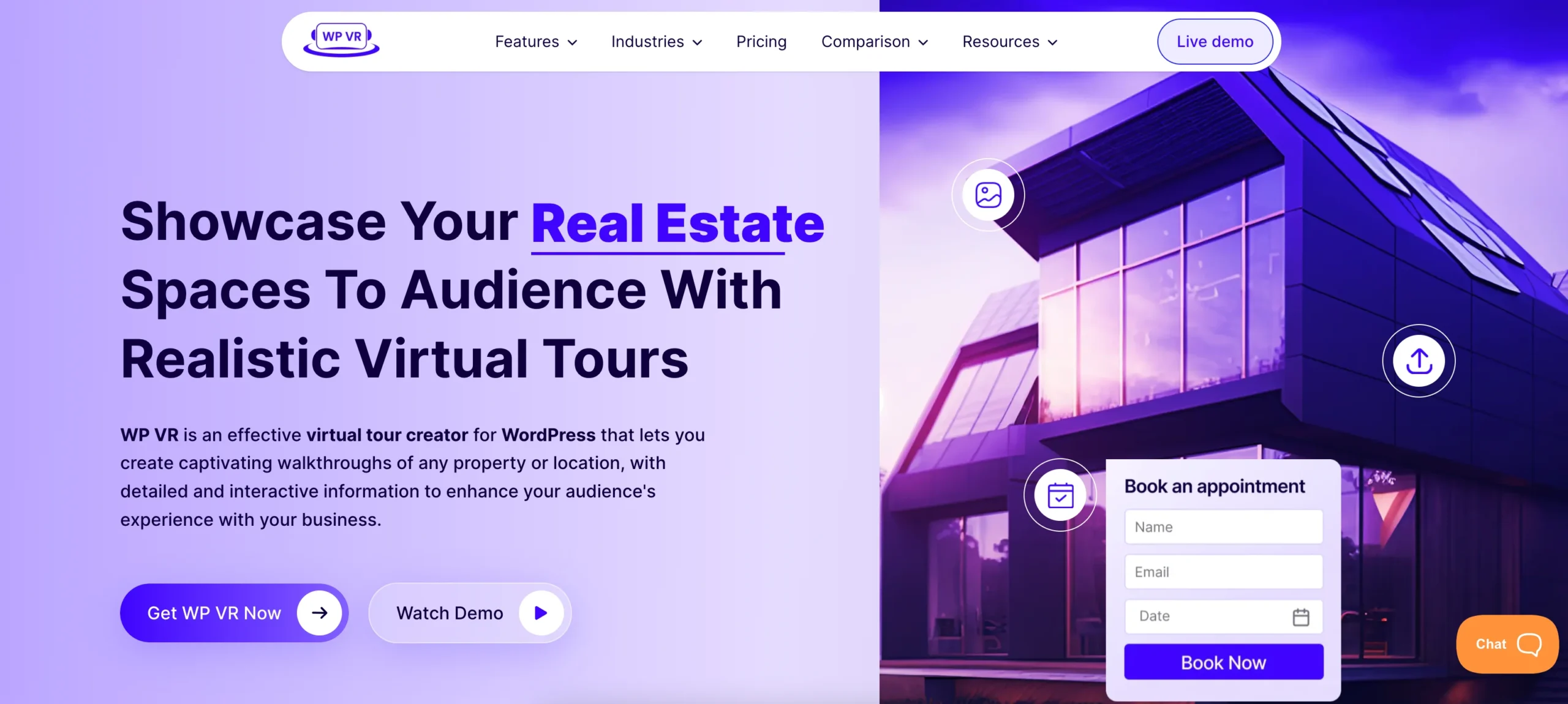
This way, you only offer live visits to buyers who are truly prepared, saving time and increasing your chances of closing the deal.
By waiting for these signals, every visit becomes meaningful. You’re no longer hoping the visit will qualify the buyer—it already has.
How to Qualify Leads Without Relying on Physical Tours
Once you know the right time to schedule a visit, the next step is making sure you can identify serious buyers before they ever step inside. This keeps your time focused on people who are ready to act.
i. Use Interactive Property Experiences
Let buyers explore on their own first. Interactive tours let them move through the property, zoom in on features, and get a real sense of the space without needing you there.
When buyers control the experience, they spend more time with the property and understand it better. This naturally filters out casual visitors who aren’t truly interested.
ii. Track Engagement Signals
Pay attention to how buyers interact with your listing. Metrics like time spent on the tour, repeat visits, and which areas they explore most reveal intent.
These signals tell you who’s actively evaluating the property and who is just browsing. You no longer need to guess which visitors are worth your time.
iii. Ask Smart Pre-Qualification Questions
Before scheduling a visit, ask questions that matter:
- Budget range
- Timeline for purchase
- Must-have features
This filters out low-intent leads early. Only those who match your key criteria move to the next step.
iv. Prioritize High-Intent Follow-Ups
Once you have engagement data and pre-qualification answers, focus your follow-ups on leads showing strong signals.
This approach saves time, prevents repeated walkthroughs for casual visitors, and ensures that when you do meet a buyer in person, the conversation is productive and likely to move toward a deal.
By qualifying leads this way, every visit becomes a confirmation step instead of a gamble.
Immediate Action Items for You
Now that you understand how to qualify buyers before a visit, it’s time to put it into practice. Here’s a simple checklist to get started and make every visit count:
- Review your last 10 property visits – identify how many were truly serious buyers. This helps you see where time was wasted.
- Add an interactive tour or detailed walkthrough to your listings. Let buyers explore on their own first.
- Track buyer engagement – monitor time spent, repeat visits, and areas of interest before scheduling a visit.
- Set 3–5 pre-qualification questions – include budget, timeline, and must-have features to filter low-intent leads.
- Offer visits only after engagement criteria are met – make sure every live tour is for a buyer who is ready and informed.
Following this checklist ensures your time is spent on buyers who are serious, prepared, and ready to make decisions. It turns visits from a gamble into a confirmation step that actually moves deals forward.
Quick Self-Check: Are You Attracting the Right Leads?
After setting up pre-qualification and interactive engagement, it’s important to step back and see if your system is actually working.
Check whether your buyers already understand the property before visiting. Confirm that your visits are leading to meaningful conversations instead of just walkthroughs. Look at who you’re spending time with—decision-makers or casual explorers.
If your visits aren’t producing informed, ready-to-act buyers, it’s a clear sign that your qualification process needs adjustment. By fixing this, every tour becomes productive, and your time goes to the buyers who actually matter.
The Future of Real Estate: Fewer Visits, Better Leads
Buyer behavior is changing. More people expect to explore properties online before deciding to visit in person. Digital-first decision-making is becoming standard, and agents who adjust their approach save time and close faster.
WPVR lets you create interactive virtual tours that show the full property online. Buyers can navigate rooms, check details, and get a real sense of the layout before stepping inside. This keeps your live visits focused on serious buyers who already understand the property, making your time more productive and your conversations more effective.
Adapting this approach means fewer wasted visits, higher-intent leads, and faster deals.
FAQs
1. Should you use a home tour to qualify leads?
Using a home tour to qualify leads is not the most effective approach. A physical visit should confirm a buyer’s interest, not create it. Qualifying buyers before the visit helps you focus only on serious prospects.
2. When is the right time to schedule a live visit?
A live visit works best when the buyer has already explored the property, understands the details, and shows clear intent. This ensures the visit leads to meaningful discussions instead of basic explanations.
3. Why do most physical visits fail to convert into deals?
Many physical visits happen too early, when buyers are still exploring options. Without proper qualification, these visits attract both serious and casual buyers, leading to low conversion rates.
4. How can you reduce unnecessary live visits for your property?
You can reduce unnecessary live visits by letting buyers explore the property online, tracking their engagement, and asking pre-qualification questions. This helps filter out low-intent leads before scheduling a visit.
5. What is a better alternative to relying only on a property visit?
Instead of relying only on a property visit, use interactive property experiences, engagement tracking, and pre-screening questions. This approach ensures that only well-informed and serious buyers request a visit.