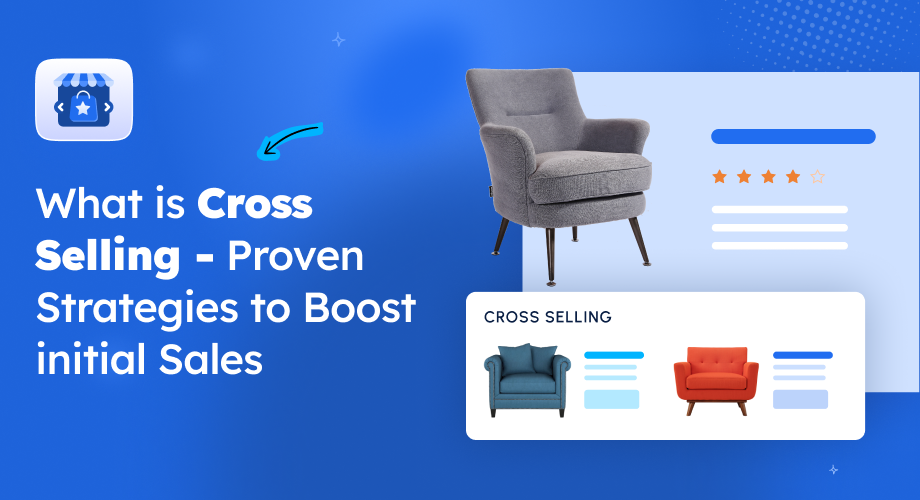
Most store owners focus on getting new visitors. I get it—more traffic feels like the obvious path to more sales. But sometimes, the easiest wins are in the small stuff: suggesting a product your customer actually needs while they’re already shopping.
Cross selling isn’t about pushing random add-ons or flashy pop-ups; it’s about offering things that naturally complement what someone is buying.
In fact, industry reports show that cross-selling drives 10–30% of total eCommerce revenue.
So, if you do it in a thoughtful way, it makes the shopping experience smoother and can quietly boost your revenue.
In this guide, I’ll show practical ways to cross-sell in your store without annoying anyone. These strategies feel natural, are easy to apply, and can make a difference in your very next sale.
TL;DR – Cross-Selling Guide for eCommerce
- Cross-selling helps increase order value by suggesting related or add-on products during or after purchase.
- It drives 10–30% of total eCommerce revenue, making it one of the easiest ways to boost sales.
- Unlike upselling (promoting a pricier version), cross-selling recommends complementary products.
- Top strategies include:
– Frequently Bought Together offers at product pages
– “You May Also Like” sections for browsing suggestions
– Cart Drawer Add-ons to increase value before checkout
– Post-purchase Thank You Page Offers
– Product Building at Checkout for related product combinations
– Product Suggestions in Transactional Emails
– Pop-ups Before Checkout to grab attention
– Free Shipping Threshold Offers to increase total cart value
– Seasonal & Behavioral Cross-Sells based on purchase history
- It works well in fashion, insurance, electronics, and more—helping customers and increasing revenue.
- Keep offers relevant, timely, and limited. Personalization is key to improved conversions.
- Avoid overloading or mismatched suggestions—it can hurt trust and reduce sales.
- Best tools to use:
– CartLift: recover abandoned carts with smart product offers
– WPFunnels: easy sales flows & product offers
– Bold Upsell: great for Shopify one-click offers
– Checkoutify: show bundles & add-ons at checkout
– Mail Mint: email-based product suggestions
- Pro tip for WordPress users: Offer a dynamic discount based on cart value to boost initial sales and encourage add-ons. Tools like WPFunnels and Mail Mint can make this simple.
What is Cross Selling & How does it Work?
Cross selling is simple: it’s when you suggest additional products that naturally go with what your customer is already buying. These aren’t random items, they’re things that make sense alongside their main purchase and add real value.
Now that you know what it is, let’s see how it actually works.
Imagine a customer is buying a camera from your store. On the product page, you show a memory card, a tripod, and a camera bag as add-ons. The customer sees these suggestions while making their decision and realizes they need them too. They add a couple of these items to their cart, which increases your total sale without feeling pushy.
Cross selling works by showing the right products at the right moment on the product page, in the cart, at checkout, or even after the purchase.
When done properly, it helps your customer complete their purchase while giving you a natural boost in revenue.
What are the Benefits of Cross Selling in Marketing
Once you start adding relevant product suggestions, the impact goes beyond just a single sale. Cross selling helps you get more from each customer while also making their shopping experience better. Here are the main ways it benefits your store:
- Increase Revenue Without Extra Traffic Every time a customer adds a suggested item to their cart, your total sale goes up. You don’t need more visitors—just a few well-placed product recommendations can significantly boost your revenue. Track growth accurately with revenue recognition solutions for precise sales insights and transparent reporting.
- Make Shopping Easier for Your Customers By showing items that naturally go together, you save your customers time. They get what they need in one place, without hunting for complementary products elsewhere.
- Encourage Repeat Purchases If a customer has a good experience finding useful add-ons, they’re more likely to return. Cross selling builds familiarity and trust with your store.
- Highlight Products That Might Be Overlooked Some items in your catalog don’t sell on their own. Suggesting them as add-ons gives them visibility and moves inventory that might otherwise sit idle.
- Increase Average Order Value Even a single additional product per order can raise your average cart value noticeably. Over time, these small increases add up to a significant revenue lift.
- Show You Understand Your Customers When your suggestions match what your customer actually needs, it feels thoughtful rather than pushy. Customers notice when your store anticipates their needs.
- Support Smarter Marketing Decisions Cross selling data tells you which products are often bought together. This insight helps you plan bundles, discounts, and future promotions that make sense for your audience.
Cross Selling vs Upselling: What’s the Difference
While cross selling and upselling may seem similar since both aim to boost sales and improve the customer journey, they serve different purposes in the sales process.
Here’s how they differ so you can use each one effectively.
| Aspect | Cross Selling | Upselling |
|---|---|---|
| Definition | Suggesting adjacent or complementary products that go with the original purchase | Recommending a higher-value product instead of the primary product |
| Goal | Boost total revenue by adding relevant items to the initial purchase | Increase sales revenue by encouraging upgrades to a more expensive product |
| Produkttyp | Supplementary products from the same or related category | An upgraded version of the core product |
| Beispiel | Buying a laptop → suggesting a bag or mouse (consumer electronics example) | Buying basic hosting → offering a Pro plan with more features (financial services industry) |
| When Used | Shown during the customer journey or after the customer purchase, often at checkout | Suggested when the target customer selects a product, before completing their purchase |
| Customer Benefit | Helps the end customer get a more complete solution, leading to improved customer satisfaction | Offers better performance or value, meeting the evolving needs of the target customer |
| Sales Impact | Drives increased sales revenue through partner ecosystem management and bundled offers | Helps sales teams position higher-value products for more revenue |
| Best Use Cases | Works well in insurance products, eCommerce, and consumer electronics | Great for tech upgrades, service tiers, and future product development |
10 Top Cross Selling Strategies That Work
Now that you understand the differences between cross selling and upselling, let’s explore some proven cross selling strategies that can help increase your average order value and improve the overall customer journey.
1. Frequently Bought Together
With this strategy, you can recommend extra products that go well with what your customer wants. It helps them add everything they need in just one step.
For example, if your customer is buying a camera, you can suggest a memory card, bag, and tripod to complete their initial purchase.
This helps you increase your average order value and makes the customer checkout process smoother. It also gives your customers a better experience and boosts your sales.
- Learn more about frequently bought together with examples here
2. “You May Also Like” Blocks
This strategy shows your customers related products based on what they’re currently viewing or have bought before. It gently encourages them to explore more without being pushy.
For example, if a customer is looking at running shoes, you can suggest socks, sportswear, or fitness trackers they could find useful.
By offering these relevant suggestions, you can improve the customer journey and increase the chance of additional sales, raising your total revenue over time.
- You can learn more about product recommendation examples from this article
3. Cart Drawer Product Add-ons
A cart drawer is a small panel that slides out when a customer adds an item to their cart, showing their selections without leaving the page.
For example, if someone adds a smartphone, the cart drawer will suggest a protective case or screen protector as quick add-ons.
Offering these related products alongside the primary product helps increase your total revenue and makes the checkout process easier for customers.
4. Thank You Page Offers
The thank you page appears right after a customer completes their original purchase, making it a perfect spot to suggest adjacent products complementary to what they just bought.
For example, after buying a fitness tracker, you can offer a discount on accessories like heart rate monitors or wireless headphones, targeting the end customer with relevant add-ons.
This cross selling strategy helps your sales teams increase revenue streams, improve customer satisfaction, and turn a single sale into multiple opportunities.
- Learn more about how to customize WooCommerce’s thank you page
5. Product Building at Checkout
Bundle building lets you offer a package of products that meet your customer’s needs during the checkout process. This makes it easier for customers to get everything they want in one purchase.
For example, if a customer adds a camera, you can offer a bundle including a lens, tripod, and memory card to complete their customer purchase.
This approach leads to increased sales revenue by encouraging customers to buy more while improving their overall shopping experience.
- Here are 14+ more examples of product bundling you can explore
6. Cross-Sell in Transactional Emails
Using cross selling in transactional emails lets you suggest relevant products right after a purchase, keeping customers engaged and interested.
For example, after a customer buys a smartphone, you can recommend accessories like cases or headphones tailored to the target customer’s preferences.
This cross selling strategy improves customer satisfaction, encourages the purchase of higher-value products, and helps grow your overall sales over time.
7. Pop-ups Before Checkout
Pop-ups before checkout catch your customer’s attention with timely offers of related products or add-ons, boosting their overall purchase.
For example, if someone is buying an expensive product like a high-end smartphone, a pop-up might suggest accessories or protection plans.
This approach is used in consumer electronics and the financial services industry more to increase sales and improve the customer experience through smart partner ecosystem management.
8. Loyalty Points or Free Shipping Threshold Offers
Offering loyalty points or free shipping when customers reach a set spending limit encourages them to add more items to their cart. This can include related products like insurance products.
For example, a customer can add an extra item just to qualify for free shipping and save on delivery costs. This motivates larger purchases.
This easy cross selling example helps improve customer loyalty and supports future product development by increasing sales and repeat business.
- Here are some flexible shipping strategies you can implement to boost customer satisfaction
9. Seasonal or Event-Based Cross Selling
Using seasons or special events to promote related products lets you meet your customers’ timely needs. This creates a sense of urgency and relevance in your offers.
For example, during the holidays, you can suggest gift bundles or accessories that fit with popular purchases like tech gadgets or home decor.
This approach not only boosts sales but also improves customer satisfaction by offering helpful, well-timed recommendations.
10. Behavioral Cross-Sell Using Purchase History
This strategy uses a customer’s past purchases to recommend related products they’re likely to need next. It makes your offers more personal and relevant.
For example, if a customer bought running shoes before, you can suggest socks or fitness gear based on their purchase history.
By understanding customer behavior, you improve customer satisfaction and increase the chance of repeat sales and higher total revenue.
Use Cases: Real-World Examples of Cross Selling
Now that you understand the cross selling strategies, let’s look at some real-world cross selling examples across different industries to see how you can apply them in your own business.
- Consumer Electronics: When your customer buys a smartphone, you can suggest accessories like cases, chargers, and headphones. This helps them get everything they need while you increase your average order value.
– If you are from the electronics industry, you can check out the best online electronics marketing strategies to boost sales
- Insurance Companies: After someone buys a health insurance plan from you, offering dental or vision coverage meets more of their needs. It’s a way to take better care of your customers and grow your business.
- Financial Services Industry: If your customer has a basic account, suggesting premium credit cards or investment plans gives them more options. This personalized touch helps you build trust and increase your revenue.
- E-commerce Fashion: When a customer buys a dress from your store, recommending matching shoes or jewelry completes their look. This makes shopping easier and encourages them to spend more with you.
- SaaS & Software: After someone signs up for your basic plan, offering add-ons or advanced features helps them get more value. It also helps you increase your total revenue without extra effort.
- Automotive Industry: When a customer buys a car from you, offering extended warranties or maintenance packages protects their investment. This builds loyalty and boosts your sales at the same time.
- Consumer Goods: If a shopper buys chips at your store, suggesting dips or coffee mugs encourages them to add more items. This simple bundle idea makes shopping convenient and increases your sales.
What Are the Best Practices You Should Follow While Cross Selling
To make your cross-selling efforts more effective and natural, it’s important to follow some proven best practices that align with your customer journey and sales goals.
- Know customer needs: Recommend products that make sense with your customer’s initial purchase. When your offer solves a real problem or adds value, it feels more like help than a sales push. This builds trust with your existing customer base. And increases both engagement and overall sales.
- Time your offers: Show your cross-sell during the customer checkout process or right after the original purchase. If it aligns with the primary product, it feels natural and useful. That moment is when interest is highest. A well-timed offer can increase total revenue significantly.
- Limit the options: Suggest only 2–3 relevant products that complement the primary product. Too many choices create friction in the sales process and slow down decision-making. Simplicity boosts action. Fewer, well-matched products can lead to improved customer satisfaction.
- Use smart data: Personalize offers based on past purchase behavior or similar customer journeys. It shows you understand what your target customer wants. Cross-selling is most effective when it feels personalized. Using customer data leads to smarter, more effective offers.
- Keep testing everything: Try different product pairings, placements, and timing across your funnel. What works once may not always work again, so stay flexible. A/B testing lets you refine each part. This improves future product development and keeps your strategy strong.
- Be clear on value: Whether it’s a bundle or a discount, always highlight the benefit up front. When people clearly see what they gain, they’re more likely to buy. Clarity reduces hesitation. And clear pricing builds trust and increases sales revenue.
- Think mobile-first: Make sure your cross-sell offers load quickly and look clean on phones. Many customer orders now come from mobile devices. A smooth mobile experience means fewer drop-offs. And more completed purchases from your end customer.
When Cross Selling Can Backfire and How to Avoid That
In the next section, I’ll explain when cross-selling can backfire and share simple tips you can use to avoid these pitfalls while boosting your sales.
- Unrelated suggestions: If you recommend products that don’t match your customer’s original purchase, it feels random and unhelpful. This breaks trust and may even stop the sale. Focus on complementary or adjacent products that actually support their needs.
- Too many options: Giving your customer a long list of suggestions can overwhelm and confuse them. Keep it simple with 2–3 relevant products that naturally pair with the primary product. A focused offer moves them through the customer journey smoothly.
- Poor timing: Offering cross-sells too early, before trust is built, or during checkout can interrupt the sales process. It’s better to wait until they complete the initial purchase. Timing your offer right makes it feel like a benefit, not a distraction.
- No personalization: If your offers don’t match your customer’s interests or past purchases, they’ll likely ignore them. Use customer data to make suggestions that feel relevant and thoughtful. Personalized offers lead to better engagement and improved satisfaction.
- Interrupting the flow: Pop-ups or cross-sell blocks that disrupt the checkout experience can frustrate your customer. Make sure your suggestions fit naturally on the page. A smooth flow improves the experience and helps complete the customer purchase.
- Focusing only on revenue: If your cross-sell benefits you more than the customer, it backfires. Always think about how your offer helps them first. Putting their needs first builds trust and leads to long-term increased sales revenue.
Tools to Make Cross-Selling and Upselling Easy
Next, I’ll introduce you to some effective tools that make cross-selling and upselling easy. It helps you boost sales without extra hassle.
- CartLift: Focuses on recovering abandoned carts with targeted cross-sell and upsell offers. Perfect if you want to increase sales from customers who almost left your store.
- WPFunnels: Best for WordPress users wanting a simple funnel builder with built-in upsell. It helps you design smooth sales funnels that boost average order value without coding.
- Bold Upsell: A Shopify app specialized in smart, one-click upsells and cross-sells during checkout. It makes it easy to offer relevant add-ons or upgrades, increasing your total revenue effortlessly.
- Checkoutify: A WooCommerce plugin designed to add product bundles, related products, and upsell offers right on the checkout page. It’s perfect if you want to maximize sales right before customers complete their purchase.
- Mail Mint: More than just email marketing, Mail Mint lets you send personalized cross-sell product recommendations within transactional emails. Great for nurturing customers after their initial purchase.
Conclsuion
Cross-selling is an effective way to increase your sales while giving your customers more value. When done right, it improves customer experience and helps grow your business naturally.
You’ve learned how to choose relevant products, time your offers, and avoid common mistakes. Using these strategies will make your cross-selling feel helpful, not pushy.
The right tools can make a big difference by simplifying your setup and personalizing offers for each customer. This helps you boost average order value without extra work.
If you’re using WordPress, consider offering a dynamic discount that adjusts based on your customer’s initial purchase. It’s a smart way to increase your initial sales and encourage more.
** FAQs **
What’s the difference between cross-selling and bundling?
- Cross-selling means you suggest related products one by one, while bundling groups of products together at a discount. Both help you increase sales, but bundling often feels like a better deal to your customer.
How often should you update your cross-sell offers?
- It’s good to refresh your offers every few months. Using fresh data and adding new products keeps your suggestions helpful and interesting for your customers.
Can you cross-sell digital products or services?
- Yes, you can recommend upgrades, add-ons, or extra features for digital goods just like physical ones. This works great if you want to increase value without extra inventory.
When is the best time to cross-sell, before or after purchase?
- Both timings can work. Offering related products at checkout catches customers while they’re ready to buy, but post-purchase offers can build loyalty and encourage repeat sales.
How do you know if your cross-selling is working?
- Look at your average order value and how many customers accept your offers. Tracking sales growth and customer feedback also helps you improve your strategy over time.

![Show Your WooCommerce Products on ChatGPT & OpenAI Ads with Product Feed [2026] 3](https://rextheme.com/wp-content/uploads/2026/08/Show-Your-WooCommerce-Products-on-ChatGPT-with-OpenAI-Product-Feed-1-407x213.webp)