![Virtual Reality for Real Estate: A Comprehensive Guide [2026]](https://rextheme.com/wp-content/uploads/2026/01/Feature-Image-2.webp)
I’ve worked with real estate teams and developers for years, and one thing is clear – buyers want to feel the property, not just see it. I’ve watched great homes get ignored because photos didn’t show the real space.
According to real estate case study, listings with virtual tours receive 87% more views than those without.
From what I’ve seen, most deals fall apart not because of price or location, but because buyers can’t picture themselves living there. Even a perfect home can lose attention if the experience feels flat.
If you’re here, you want to attract serious buyers, save time on unnecessary visits, and sell faster. Virtual reality for real estate can help, but only if you use it smartly.
This guide will show you how VR works in real estate, where it really makes a difference, and how you can use it to turn interested browsers into confident buyers.
So let’s get started,
TL:DR – Virtual Reality for Real Estate
- VR lets buyers explore your property online and makes your listings more engaging.
- 73% of buyers want to see a virtual tour before visiting a property in person.
- VR saves you time, reduces in-person visits, and shows layouts realistically.
- Types include non-immersive, semi-immersive, fully immersive, AR, and collaborative VR.
- Best practices: use 360 photography, interactive hotspots, floor plans, 3D staging, and real-time adjustments to impress buyers.
- Marketing ideas: create virtual showrooms, pop-up tours, VIP experiences, gamified tours, workshops, and live VR open houses to reach more buyers.
- Challenges: high setup cost, tech issues, buyer discomfort, accessibility limits, and keeping tours updated.
- Final verdict: Use WPVR to quickly create professional real estate virtual tours and showcase your properties so buyers can experience them virtually.
![Virtual Reality for Real Estate: A Comprehensive Guide [2026] 3](https://rextheme.com/wp-content/uploads/2026/01/Make-Your-VR-Experience-Smoother-1.webp)
What Is Virtual Reality for Real Estate?
Virtual reality in real estate lets you explore homes online, so you can get a real feel without visiting in person. It helps you see the property and layout clearly.
For example, you can show different furniture setups during a virtual tour to help buyers imagine living there. This makes checking a property more fun and easier.
VR also saves their time and effort by reducing the need for physical visits. Your customer can see multiple homes quickly, making it simple to generate leads in real estate.
How Virtual Reality Works in Real Estate
Here is how VR works to help you showcase your property:
- 3D Models: Virtual reality creates detailed 3D models of properties that you can explore online. This gives buyers a realistic view without visiting in person.
- Room Tours: You can move through rooms using a headset, phone, or computer. It helps you understand the property and layout clearly.
- Design Options: VR shows different angles, layouts, and furniture arrangements. This lets buyers visualize living in the property.
- Interactive Tools: The technology combines 360-degree photos, 3D modeling, and interactive features. It makes exploring homes more engaging and informative.
- Time Saver: VR reduces the need for physical visits to multiple properties. Buyers can view several homes quickly and efficiently.
Pros and Cons of Virtual Reality in Real Estate
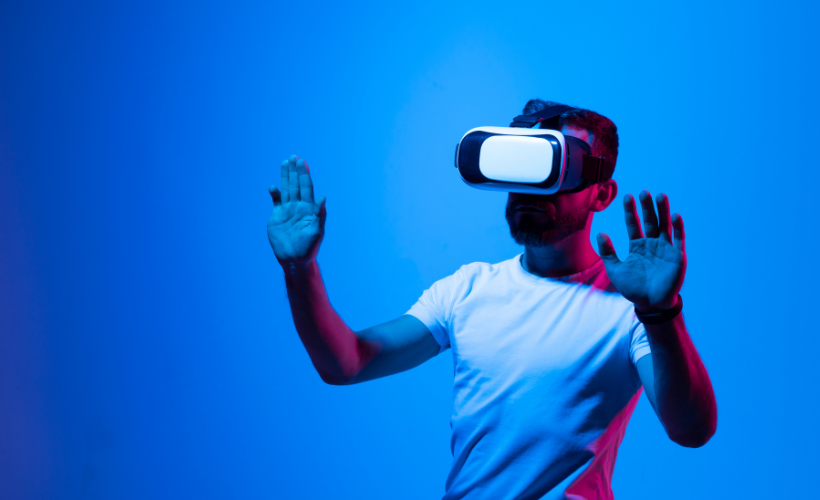
Now, let’s take a closer look at the pros and cons of virtual reality in real estate. Understanding both sides will help you make the most of VR to showcase your property effectively.
Pros of Virtual Reality in Real Estate
Here are some pros of VR in real estate:
- Immersive Customer Experience: Let buyers tour your property virtually and feel like they’re really inside. This makes your listing more engaging and helps it stand out in the real estate market.
- Cost and Time Savings: Reduce the number of physical showings needed. This saves you time and staging costs while reaching more potential buyers.
- Personalized Interaction: Highlight different furniture layouts or design options in VR. This helps buyers imagine living in your property more easily.
- Improved Marketing Impact: VR tours make your real estate listing more attractive online. This can generate more inquiries and serious buyers faster.
- Remote Collaboration: Buyers, agents, and designers can discuss your property virtually from anywhere. This makes scheduling easier and speeds up your selling process.
- Safe Practice Environment: Allow buyers to explore your home without worrying about safety or access issues. This makes showings safer for everyone involved.
- Accessibility Enhancement: Buyers who live far away or have mobility issues can still view your property. This widens your pool of potential buyers.
- Flexibility of Use: Virtual tours are available anytime, so buyers can view your property on their schedule. This increases your chances of engagement.
- Competitive Differentiation: Offering VR tours sets your listing apart from others that only have photos. This helps your property sell faster in the real estate market.
- Environmental Benefits: Reduce travel and paper use by offering virtual tours. This makes your property marketing greener and more modern.
Cons of Virtual Reality in Real Estate
Here are some cons of VR in real estate:
- High Initial Cost: Creating VR tours for your property can be expensive. This might not fit every seller’s real estate budget.
- Technical Limitations: VR may not show every detail of your property accurately. Lighting or textures can look different than in person.
- User Discomfort: Some buyers may feel dizzy or uneasy using VR. This can limit how long they explore your property online.
- Limited Content Availability: Not all real estate listings have VR tours. This may reduce exposure if buyers prefer virtual viewing.
- Social Isolation: VR reduces face-to-face interaction with buyers. You can miss the personal connection during showings.
- Learning Curve: Both you and potential buyers may need time to get used to VR tools. This can slow down the selling process.
- Privacy and Security Risks: Sharing property data digitally can expose sensitive information. You need to use trusted platforms to protect your listing.
- Health Risks from Overuse: Long VR sessions can cause eye strain or headaches. Buyers may limit their virtual tour time.
- Accessibility Barriers: Some buyers may not have VR devices or compatible technology. This could limit the audience for your property.
- Constant Need for Updates: VR tours need regular updates to stay accurate. Outdated tours can give buyers the wrong impression about your property.
Types of Virtual Reality in Real Estate
There are 5 types of virtual reality available in real estate. They are given below:
- Non-immersive Virtual Reality: This uses computers or mobile devices to explore properties online. Buyers can see your property, but don’t feel fully “inside” it.
- Fully Immersive Virtual Reality: Buyers use VR headsets to walk through your property as if they are really there. This immersive VR creates the most realistic and engaging experience.
- Semi-Immersive Virtual Reality: Combines screen-based tours with some interactive features. Buyers can navigate your property more freely than standard online photos.
- Augmented Reality: Adds virtual elements to real spaces using a phone or tablet. Buyers can see furniture or design changes overlaid in your augmented reality property.
- Collaborative VR: Allows multiple people to explore your property together virtually. Buyers, agents, and family members can discuss details in real-time from anywhere.
Virtual Reality Examples in Real Estate
Now I am going to tell you about some virtual reality examples in real estate.
- Virtual Home Tours: Buyers can walk through your property online using a VR headset or computer. This lets them explore full property rooms and layouts without visiting in person.
- 3D Staging: Virtual furniture and decor are added to your property digitally. Photo-realistic interiors let buyers see how spaces could look fully furnished, making it easier to imagine living there.
- 360-Degree Videos: Capture every angle of your property in a single video. Buyers can move around and view each room from all perspectives, enhancing property visualization.
- Interactive Floor Plans: Buyers can click on a floor plan to explore each room in 3D. This gives a better understanding of space and flow than regular images.
- Augmented Reality Previews: Buyers can use their phone or tablet to see virtual furniture or renovations in their real space. This shows potential buyers a VR visualization of upgrades or design changes.
- Collaborative VR Sessions: Multiple buyers or agents can tour your property together online. This allows discussions and decisions without needing everyone to be there physically, which is becoming a key role in real estate.
Learn more – Inspiring Virtual Reality Examples Across Different Industries
Virtual Reality Marketing Ideas for Real Estate
Now I’m going to share a few VR marketing ideas for real estate. These ideas can help you showcase properties and attract more buyers.
- Virtual Showrooms and Try-Ons: Explore properties with VR video and see furniture or decor changes. This gives a comprehensive view of the property and helps buyers imagine living there.
- Pop-Up VR Property Tours: Attend VR tours at events or expos to check multiple properties quickly. Prospective buyers can experience the property without traveling, saving time and effort.
- VIP Rooms for Exclusive Experiences: Offer private VR property tours for serious buyers. These immersive experiences make listings feel more exclusive and memorable.
- Quest-Based VR Tours: Make exploring the property interactive and fun using VR visualization tools. This keeps buyers engaged and highlights unique features of the listing.
- Virtual Property Showcases: Host live VR property tours to showrooms and layouts. Photo-realistic interiors and 3D rendering create a sense of real life in the property.
- Virtual Tour of Your Real Estate Business: Showcase all listings, including apartments and luxury homes, using VR technology. MLSs and property developers can highlight multiple properties in one immersive tour.
- VR Workshops and Educational Sessions: Teach buyers about neighborhoods, financing, or amenities through VR sessions. Traditional estate agencies and realtors can use this to build trust and authority.
- Virtual Open Houses and Giveaways: Host VR events where buyers can tour properties, ask questions, and join contests. This attracts more prospective buyers and strengthens marketing activities.
Best Practices for Virtual Reality Property Tours
Now I want to share some best practices for virtual reality property tours. These tips can help you make your listings more engaging and professional for buyers.
- Use High-Quality Visuals: High-quality 360 photography and photo-realistic visuals help the property feel real to buyers. This helps you build trust and keep interest high.
- Keep Navigation Simple: Smooth room-to-room movement makes tours easy for buyers to use. This allows you to showcase the property without distractions.
- Show the Full Property: Including all rooms, outdoor areas, and key features sets clear expectations. This helps you avoid unnecessary in-person visits.
- Optimize for All Devices: Tours that work on mobile, desktop, and VR headsets reach more potential buyers. This allows you to increase exposure without technical issues.
- Use Realistic Lighting: Lighting that matches real-life conditions prevents buyer disappointment. This helps you align online views with actual visits.
- Highlight Key Selling Points: Focusing on layouts, views, or premium finishes helps the property stand out. This allows you to guide buyer attention to what matters most.
- Allow Easy Replays: Let buyers replay tours to build confidence. This supports you in moving buyers closer to decisions.
- Keep Tours Updated: Updating VR tours when changes happen maintains accuracy. This helps you protect credibility and buyer trust.
Challenges & Limitations of VR for Properties
Although VR offers many benefits, you also need to be aware of the challenges and limitations of VR for properties. Let’s have a look at:
- High Setup Costs: Creating a virtual reality for a home tour or full 3D rendering can be expensive. You need to plan your budget carefully before investing in VR technology.
- Technical Issues: VR platforms may experience glitches, slow loading, or device compatibility problems. This can frustrate buyers and affect the effectiveness of your virtual reality for real estate property.
- User Discomfort: Some buyers may feel dizzy or uneasy using VR headsets. You may need to guide them or offer alternative ways to explore the property.
- Limited Content Availability: Not every property has a VR tour available. You risk losing buyers if they compare your listing to others with virtual reality for home experiences.
- Learning Curve: Both you and buyers may need time to learn how to use VR tools effectively. This can slow engagement and delay decisions.
- Privacy and Security Risks: Sharing property data digitally can expose sensitive information. You must ensure your VR platform is secure to protect both your property and your buyers.
- Accessibility Barriers: Some buyers don’t have VR devices or compatible technology. You may need to offer traditional tours alongside virtual reality for real estate experiences.
- Constant Updates Needed: Properties change over time, so VR tours must be updated. Keeping tours accurate ensures you maintain credibility and trust with buyers.
Virtual Tour Software for Real Estate
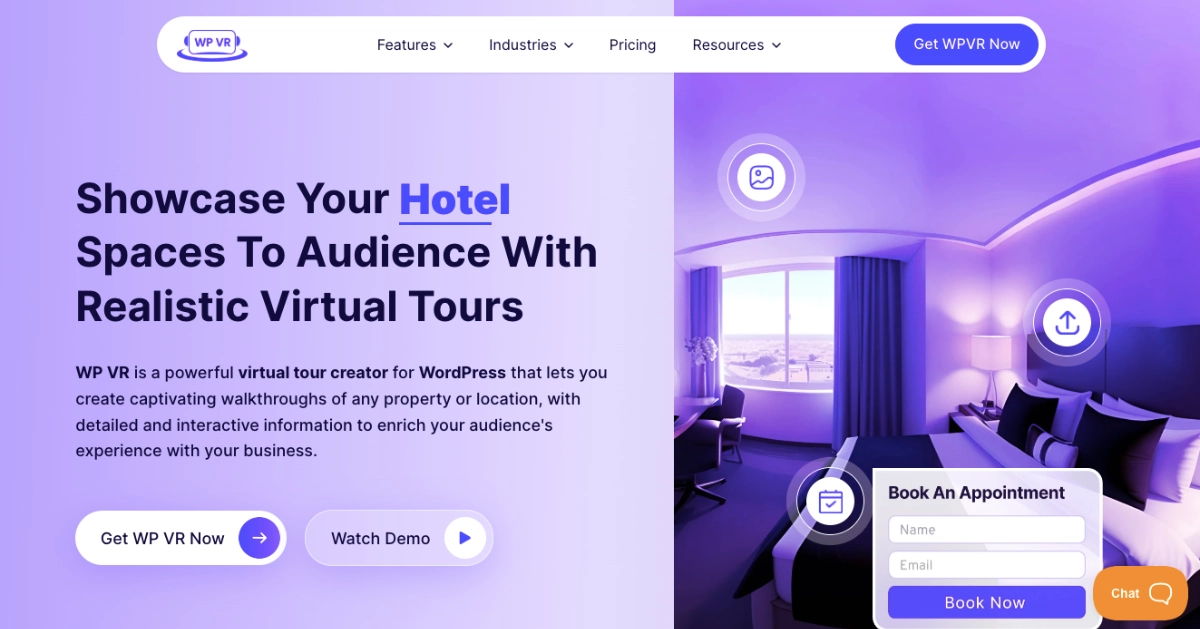
Here are some tools that can help you create a virtual tour for real estate.
- WPVR (WordPress Virtual Tour): Lets you create 360° virtual tours for real estate directly on your WordPress site. Perfect if you want tours integrated into your own listings.
- Matterport: You can create detailed 3D walkthroughs with photorealistic views. It is great if you want to impress buyers with high-end properties.
- Kuula: It is an easy-to-use cloud platform for 360° tours. Helps you quickly share your property with buyers online.
- EyeSpy360: It offers 360° tours, floor plans, and live guided VR experiences. It also allows you to show your property while talking to buyers in real time.
- Zillow 3D Home Tours: Zillow is a free and simple tool for MLS listings. Works well if you want to quickly showcase your property online.
- Roundme: It helps to create smooth 360° tours that highlight both the property and neighborhood. Makes it easier for buyers to feel the full experience.
- Cupix: Converts 360° photos into full 3D models. It is ideal if you have larger homes or commercial spaces to showcase.
- iStaging: Provides VR tours, 3D staging, and interior design options. It allows buyers to visualize different layouts or renovations easily.
Schlussfolgerung
Virtual reality is changing how properties are shown and sold. Buyers can explore homes online while you showcase your listings better.
A virtual reality for home tour helps buyers see rooms, layouts, and features clearly. It makes your property more attractive than just photos.
Costs, tech issues, and learning curves can be a challenge, but are manageable. Good VR tours build trust and make your property stand out.
Creating a virtual reality for a real estate tour is easy. With WordPress and WPVR, you can make interactive tours that give buyers a real feel for your property.
** FAQs **
How can I use 360 photography to understand a property without visiting it?
360 photography lets you see every corner of a property from your screen. It helps you understand space, layout, and flow without guessing. This saves time and reduces unnecessary site visits.
How does immersion VR help me feel the property in real life?
Immersion VR places you inside the property using realistic visuals. It feels close to real life and creates strong, memorable impressions. This is especially useful in today’s growing industry where digital viewing matters.
How can VR visualization help me choose interiors confidently?
VR visualization lets you test different-coloured walls, furniture, and layouts before deciding. You can also see changes under varying lighting conditions. This removes doubt and makes visual selections much easier.
Can teaser videos and 3D rendering software help me market better?
Teaser videos grab attention quickly and spark interest early. With 3D rendering software and computer-generated imagery, unfinished or empty spaces still look complete. This becomes a powerful marketing resource.
How do real-time adjustments help me make faster decisions?
Real-time adjustments allow you to change colors, lighting, or layouts instantly. You can see what works best without delay or extra cost. This makes decision-making faster and more confident.